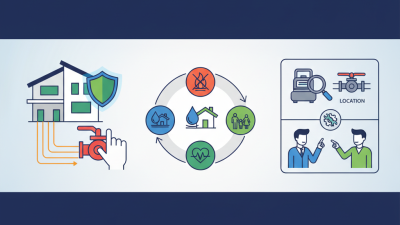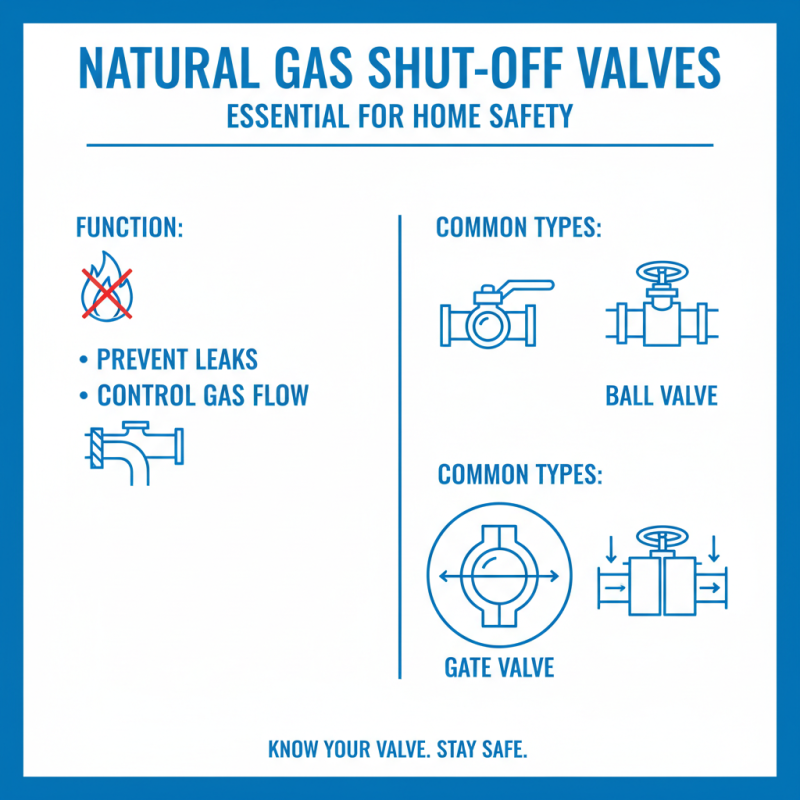
Natural gas shut off valves are crucial for safety in homes and businesses. They control the flow of natural gas and prevent incidents. Understanding the various types can help you choose the right one for your needs.
There are several valve types available. Each has its unique benefits and limitations. For instance, some valves require manual operation, while others are automatic. The choice often depends on specific use cases and safety standards.
Inadequate knowledge about these valves can lead to significant risks. Many homeowners overlook the importance of maintenance. It's vital to have a clear understanding of how these valves work. Regular checks are essential to ensure they function properly. Choosing the wrong type may result in safety hazards. Consider these aspects carefully before making a decision.
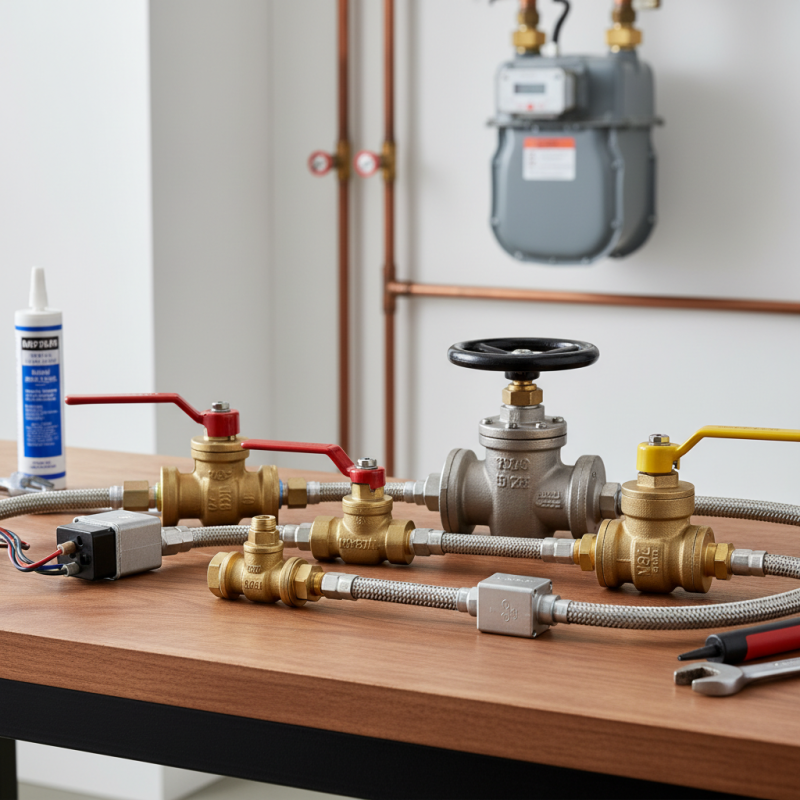
Natural gas shut-off valves play a crucial role in safety and efficiency. They are designed to control gas flow and prevent leaks. According to the National Fire Protection Association (NFPA), gas leaks cause over 10,000 home fires annually. Shut-off valves help mitigate these risks by providing a reliable means to stop gas flow.
These valves are essential in emergencies. They can quickly halt gas supply during leaks or fire events. The American Gas Association reported that 70% of safety incidents could be avoided with proper shut-off mechanisms. Furthermore, different types of shut-off valves serve distinct functions. For instance, manual valves require human intervention, while automatic valves react to system pressures. This variability can impact efficiency and response time.
It's surprising that many households lack proper shut-off valves. A survey revealed that nearly 40% of homes don't have a functioning gas shut-off system. This oversight can lead to severe consequences. Regular maintenance and knowledge about valve types are critical. However, many homeowners remain uninformed about their importance, which poses enduring risks to safety.
| Valve Type | Description | Common Use | Operation Type |
|---|---|---|---|
| Ball Valve | A valve with a spherical disc that controls the flow. | Residential and commercial gas lines | Manual or automatic |
| Gate Valve | Used for on/off control, featuring a wedge-shaped gate. | Main gas supply lines | Manual |
| Solenoid Valve | An electromechanical valve for controlling gas flow. | Automated systems | Automatic |
| Check Valve | Allows gas to flow in one direction, preventing backflow. | Prevention of reverse flow | Automatic |
| Pressure Relief Valve | Releases gas if pressure exceeds a set level. | Safety systems | Automatic |
Natural gas shut off valves are crucial for safety in homes. These valves help prevent leaks and control gas flow. Understanding their types is essential. The two most common types are ball valves and gate valves.
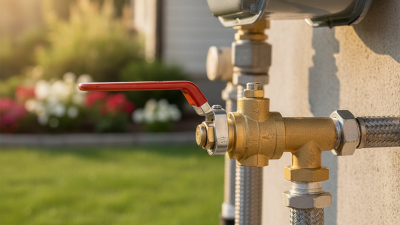
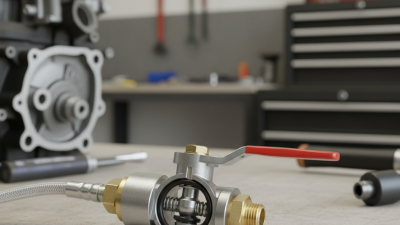
Ball valves are known for their reliability. They provide a tight seal, which minimizes the risk of leaks. When you turn the handle, a ball with a hole opens or shuts the flow. This design allows for quick operation. However, they may wear out over time, leading to potential failures.
Gate valves operate differently. They are used for on and off control. A disk moves up and down to block or allow gas flow. Though they are effective, they can be slower to operate. It’s important to regularly check these valves. Delays in action can create safety hazards. Each valve type has its pros and cons, and understanding these can enhance safety measures.
Choosing the right natural gas shut-off valve is crucial for safety and efficiency. Several factors should guide your decision. Consider the valve type suitable for your application. Common types include ball, gate, and globe valves. Each has unique benefits. For instance, ball valves typically provide quick shut-off. On the other hand, globe valves are better for regulating flow.
Another critical factor is the material. Brass and stainless steel are popular choices. Brass is durable and resists corrosion, while stainless steel offers a wider temperature range. Industry reports suggest that valves made from these materials have a lower failure rate. According to a 2023 safety report, incorrect valve selection can lead to leaks in 15% of cases.
Tips: Always assess the valve's pressure rating. Ensure it matches your pipeline specifications. Regular inspections are vital to prevent failures. Remember, even a small oversight can lead to significant issues. Gas systems need to perform well under pressure, so take your time.
Environmental considerations are also vital. Look for valves that meet sustainability standards. Use energy-efficient designs where possible. It’s not just about safety; it's about efficiency too. Every detail matters when it comes to performance.
When considering the installation of natural gas shut off valves, understanding best practices is key. Start by ensuring that the area is free of hazards. Clear any obstructions or debris. Use appropriate tools for the installation process. A secure connection is crucial. Proper sealing prevents leaks. Always follow safety protocols when handling gas.
Maintenance is equally important. Regularly inspect the valves for wear and tear. Check for any signs of corrosion or damage. Even slight leaks can become a significant issue. Tightening bolts and connections may be necessary. If you’re unsure, consult with a professional. Ignoring small problems can lead to larger, costly repairs.
Training is vital for anyone working with these valves. Familiarize yourself with local codes and regulations. Lack of knowledge can compromise safety. Create a routine for checking the functionality of all valves. Having a plan in place will help in emergencies. More practice may improve your skills. However, complacency can lead to mistakes. Stay vigilant and proactive about maintenance.
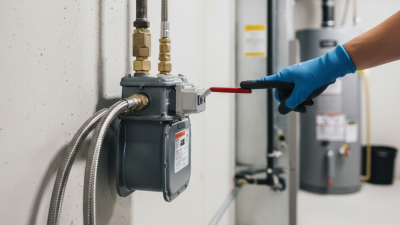
When dealing with natural gas shut off valves, safety protocols are crucial. Understanding how to use these valves correctly can prevent accidents and ensure proper functioning. Always start by identifying the location of your shut off valve. It should be easily accessible and clearly marked. This way, in an emergency, you won't waste time searching for it.
Before handling the valve, make sure to check for any signs of leaks. This can include a rotten egg smell or hissing sounds. If you notice anything unusual, evacuate the area immediately. Use your valves regularly to ensure they operate smoothly. A valve that hasn’t been used in a long time may seize or fail to operate properly.
Practicing safe valve operation involves turning off appliances before shutting off the gas supply. This reduces the risk of gas buildup. After shutting off the gas, wait a moment before relighting appliances. A common mistake is to rush this process. It’s vital to ensure your area is well-ventilated before proceeding. Stay alert and aware. There's always a margin for human error, so double-check your actions.
© Copyright 2025 | LittleFirefighter.com | All Rights Reserved | 1EZ Creative: Orange County Web Design

Fusce ut ipsum tincidunt, porta nisl sollicitudin, vulputate nunc. Cras commodo leo ac nunc convallis ets efficitur.

12345 North Main Street,
New York, NY 555555
1.800.555.6789
sale@vibrotools.com