What are the Top Pressure Vessel Suppliers Worldwide?
The global demand for Pressure Vessels is surging, influenced by industrial growth and stricter safety regulations. According to a recent report by Research and Markets, the Pressure Vessel market is projected to reach USD 151.5 billion by 2026, growing at a CAGR of 4.3%. This growth reflects the increasing reliance on pressure vessels in sectors such as oil and gas, chemicals, and pharmaceuticals.
Selecting a top supplier is critical for ensuring safety and compliance. Reliable suppliers must adhere to various international standards, such as ASME, and obtain necessary certifications. The quality of materials is paramount. For instance, carbon steel and stainless steel are prominent for pressure vessel construction. However, not all suppliers guarantee the same level of quality assurance and reliability.
The competitive landscape includes notable players like Emerson, Harsco Corporation, and Pentair. Their expertise shapes industry standards, yet choosing the right partner remains challenging. In the fast-evolving market, businesses must weigh options carefully. Balancing cost, quality, and compliance is often a complex process. The journey to find the best pressure vessel supplier requires due diligence and expert insight.
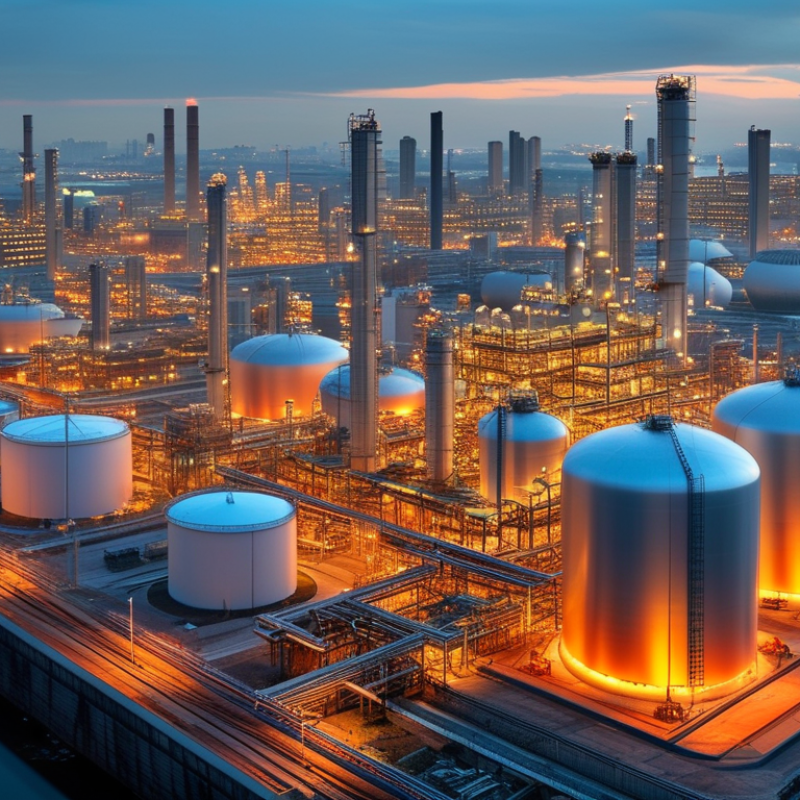
Overview of Pressure Vessels and Their Applications
Pressure vessels are critical components in many industries, including oil and gas, chemicals, and power generation. These containers hold gases or liquids at high pressures. They must be designed meticulously to ensure safety and efficiency. Often crafted from steel, aluminum, or composite materials, their construction varies based on specific applications.
Applications cover a wide range. In chemical processing, they store reactive substances under controlled conditions. In power plants, they may function as heat exchangers. Each application demands unique considerations, such as temperature resistance and stress tolerances. The design process involves rigorous calculations and testing, ensuring that every vessel can withstand extreme conditions.
Mistakes can occur in this process. Misestimations in pressure ratings can lead to catastrophic failures. Designers must continually refine their approaches, learning from past incidents. Even with advancements in technology, challenges remain. Each industry has its nuances, and understanding them requires deep expertise. This underscores the importance of reliable suppliers who can deliver vessels that meet the strictest safety standards.
Global Pressure Vessel Market Overview
This bar chart represents the estimated global market share of pressure vessel applications by industry sector. The data illustrates how various industries contribute to the demand for pressure vessels, which are critical in many industrial applications.
Criteria for Evaluating Top Pressure Vessel Suppliers
When evaluating top pressure vessel suppliers, several key criteria emerge. Experience in the industry is crucial. Suppliers with a long history often understand the complexities involved in manufacturing and maintaining pressure vessels. This understanding minimizes risks in production and ensures quality standards are met consistently.
Another important factor is compliance with safety regulations. Suppliers should adhere to local and international safety standards. This compliance ensures the vessels are safe for use in various industries, such as oil and gas, chemicals, and more. Avoiding compliance can lead to severe industry penalties.
Additionally, the supplier's technological capability plays a vital role. Innovative technologies can enhance the design and efficiency of the pressure vessels. Suppliers using advanced materials and manufacturing techniques are often more reliable. Customers should also consider customer service and support. A supplier that provides robust post-sale support can make a significant difference. These factors collectively reflect a supplier's reliability and expertise.
Leading Pressure Vessel Suppliers in North America
North America is home to several leading pressure vessel suppliers. These companies are known for their expertise in manufacturing high-quality vessels used in various industries. The focus is often on safety and efficiency in design. A robust pressure vessel must withstand extreme conditions.
Many suppliers emphasize the importance of innovation in their processes. They invest in new technologies to improve performance. However, occasionally, there are challenges in meeting varying industry standards. Continuous training and adaptation are crucial for staff. Failure to address these issues can lead to costly delays.
The regulatory environment also plays a significant role. Companies must navigate complex compliance requirements. This can create bottlenecks in production. Yet, suppliers strive to build a reputation for reliability. Understanding customer needs while managing operational hurdles is key. Continual improvement is essential for long-term success in this competitive landscape.
Top Pressure Vessel Suppliers Worldwide
| Supplier Location | Annual Revenue (USD) | Market Share (%) | Number of Employees | Major Industries Served |
| North America | $500 million | 30% | 1,200 | Oil & Gas, Chemical, Power Generation |
| Europe | $450 million | 25% | 900 | Pharmaceutical, Food & Beverage |
| Asia Pacific | $600 million | 35% | 1,500 | Energy, Manufacturing, Mining |
| South America | $250 million | 15% | 600 | Agriculture, Construction |
| Middle East | $350 million | 20% | 800 | Petrochemical, Construction |
Top Pressure Vessel Manufacturers in Europe
Europe is a significant player in the pressure vessel manufacturing sector. According to recent industry reports, the European market accounted for approximately 30% of the global revenue. This highlights its crucial role in meeting diverse industrial needs. Many manufacturers focus on creating vessels that comply with stringent safety and quality standards.
The demand for pressure vessels spans multiple industries, including oil and gas, chemicals, and food processing. The trend towards more durable and efficient designs is evident. Recent studies indicate a shift towards materials that enhance thermal stability and corrosion resistance. This is a response to the evolving regulatory landscape and the need for sustainability.
Despite advancements, challenges remain. The complexity of manufacturing and the rising costs of raw materials can hinder production. Moreover, companies must navigate varying regulations across different European countries. Balancing these factors while maintaining low turnaround times is essential for staying competitive in the market.
Emerging Suppliers in the Pressure Vessel Market Worldwide
The pressure vessel market is witnessing a rapid evolution, driven by emerging suppliers worldwide. New entrants are primarily focusing on innovative materials and advanced manufacturing techniques. According to industry research, the global pressure vessel market is projected to grow by 5.6% annually, highlighting the rising demand for safe and reliable solutions.
Emerging suppliers are capitalizing on regional needs. For instance, demand in Asia Pacific is surging, thanks to increasing industrial activities. These suppliers are often nimble, allowing them to adapt quickly to market changes. They introduce cost-effective solutions without compromising on quality. A recent report indicated that small to medium-sized enterprises are capturing approximately 30% of the market by offering customized products.
Tips: Always consider the supplier's certifications and industry experience. A reliable supplier should hold ISO 9001 certification, ensuring quality management. Look for suppliers who emphasize customer feedback in their processes. Regular evaluation of supplier performance can help in identifying potential risks early on.