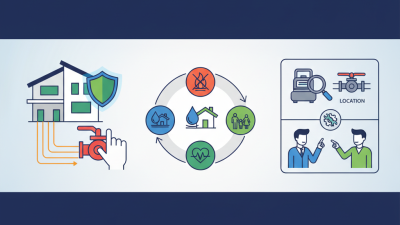
In a world increasingly prone to natural disasters, the need for an earthquake gas shut off valve has never been more urgent. Earthquakes can strike with little warning, causing significant structural damage. A gas leak is one of the most dangerous consequences of such an event. Many homeowners underestimate the risks associated with gas lines. They may think, “It won’t happen to me.” This mindset can lead to catastrophic results.
Installing an earthquake gas shut off valve is a proactive measure. It automatically shuts off your gas supply during a tremor. This device can prevent fires, explosions, and even loss of life. However, not everyone is aware of these critical valves or their benefits. Some may wonder about costs and installation procedures, thinking it is too complicated or expensive. But consider the long-term safety benefits: peace of mind during seismic events.
Every home should prioritize safety. An earthquake gas shut off valve stands as a simple yet effective solution to a serious problem. Instead of disregarding potential dangers, let's reflect on preparedness. An investment in safety today can save lives tomorrow and protect your home from unforeseen disasters.

An earthquake gas shut off valve is crucial for safety during seismic events. Having one installed can prevent gas leaks. A leak might ignite, causing fires or explosions. It’s a simple device that can save lives and property.
Tips: Regular maintenance of your plumbing can help detect potential issues. Consider a professional inspection every few years. This precaution is wise for all homeowners.
Installing a gas shut off valve can reduce anxiety during an earthquake. Knowing there’s a safeguard in place provides peace of mind. However, many forget to consider its importance until it’s too late. Don’t let this be you.
Tips: Educate your family about the valve's function. Everyone should know how to operate it. This knowledge ensures safety in emergencies. Pay attention to your surroundings after shaking stops; be aware of possible hazards.
| Reason | Description | Benefit |
|---|---|---|
| 1. Prevent Gas Leaks | Automatically shuts off gas supply during an earthquake to prevent leaks. | Reduces the risk of fires and explosions. |
| 2. Peace of Mind | Knowing your gas supply will be turned off can provide assurance during an earthquake. | Enhanced safety for you and your family. |
| 3. Easy Installation | Can be installed by a licensed professional quickly and efficiently. | Minimal disruption to your home. |
| 4. Cost-Effective Solution | Affordable option to enhance home safety. | Lower potential repair costs after an earthquake. |
| 5. Low Maintenance | Requires very little upkeep once installed. | Saves time and money on maintenance. |
| 6. Compliance with Regulations | Helps meet local safety codes and regulations for gas installations. | Avoids potential fines and legal issues. |
| 7. Increase Home Value | Adding safety features can enhance your property's marketability. | Attracts more potential buyers. |
| 8. Family Safety Education | Promotes discussions about emergency preparedness with family. | Empowers children and adults with safety knowledge. |
| 9. Customizable Options | Different models available to fit various household needs. | Tailor choices based on your specific situation. |
| 10. Community Protection | Your safety measures can reduce risks for your neighbors. | Contributes to overall community safety during disasters. |
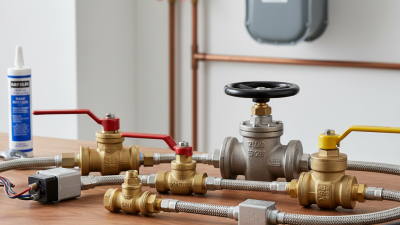
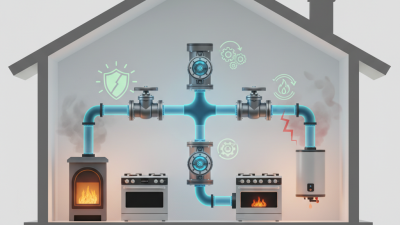
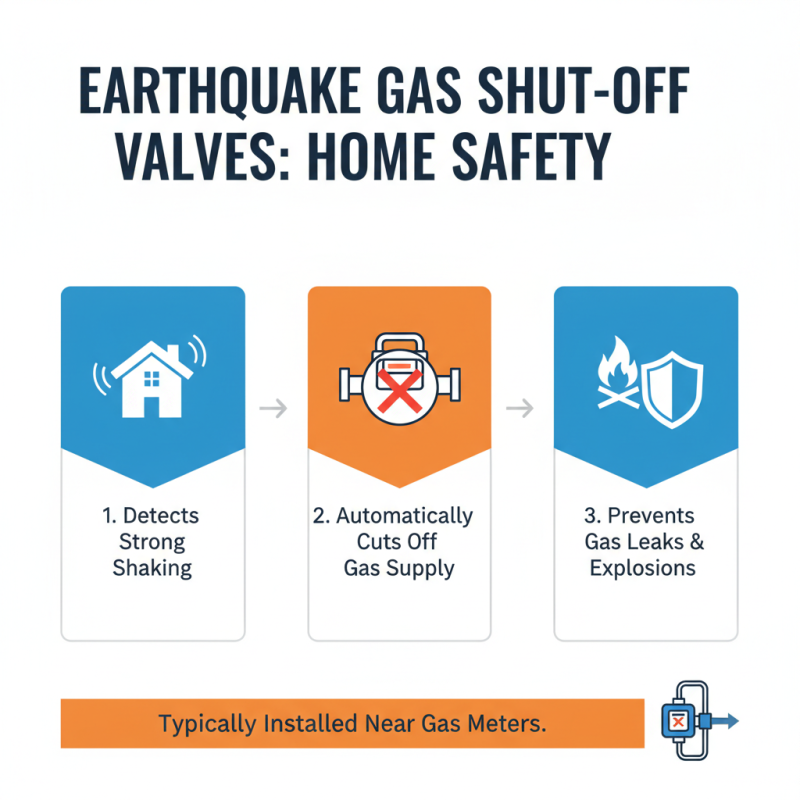
Earthquake gas shut off valves play a vital role in safeguarding homes. When an earthquake occurs, the shaking can cause gas lines to break. Leaking gas poses a significant explosion risk. This is where a gas shut off valve becomes essential. It automatically detects the movement and cuts off the gas supply. You can find these valves installed near gas meters or main lines.
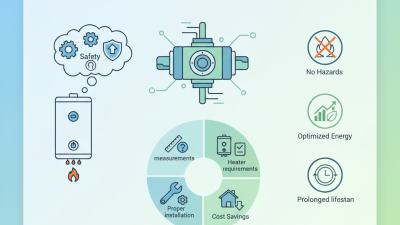
The mechanics of these valves are relatively simple. Most rely on a weighted system that responds to shaking. When a threshold of movement is detected, the valve closes. Some models feature manual reset mechanisms. Visual indicators help homeowners know when the valve has shut off gas flow. Regular inspections are key, as dust and debris can affect their functionality. It’s crucial to ensure a valve is installed correctly and maintained.
Having a gas shut off valve can save lives and property. However, not everyone understands the importance of installation. Many people overlook their maintenance needs. A valve that fails during an emergency can lead to devastating consequences. Investing in this safety feature is a mindful step toward protecting your home and loved ones. Do your research and ask experts for insights.
Following an earthquake, natural gas leaks are a pressing concern. Statistics show that about 20% of gas leaks occur during seismic events. These leaks can lead to fires or explosions, causing catastrophic damage. In 2010, a notable incident in San Bruno, California, resulted in eight fatalities due to a gas pipeline explosion. Such incidents highlight the necessity for safety measures.
The Center for Disaster Philanthropy reported that after earthquakes, the risk of gas leaks rises significantly. The California Public Utilities Commission noted that almost 50% of the gas-related incidents were linked to seismic activities. This alarming statistic stresses the importance of an earthquake gas shut-off valve. Without it, homes and businesses remain vulnerable to the dangers of uncontrolled gas leaks.
In many cases, homeowners are unaware of the risks. Many people think they are safe once the shaking stops. However, the reality is that gas lines can break long after an earthquake hits. Installing a gas shut-off valve can prevent leaks and provide peace of mind. This small investment can save lives and property. It's a crucial step in earthquake preparedness that shouldn't be overlooked.
The frequency of earthquakes in high-risk zones is troubling. According to the U.S. Geological Survey, California experiences thousands of earthquakes each year. Even minor quakes can cause significant damage. The consequences become severe with larger quakes. Areas like the San Andreas Fault are infamous for their seismic activity.
Research has shown that places near fault lines are at greater risk. For example, cities like San Francisco and Los Angeles face real threats. A study from the Earthquake Engineering Research Institute reveals that a major quake could result in billions of dollars in damage. Yet, many homeowners remain unprepared for such disasters. This lack of readiness is concerning and could lead to tragic outcomes.
Despite the data pointing to the risks, people often underestimate potential damage. Many fail to consider how quickly things can go wrong. An earthquake can occur without warning, leaving little time to react. Installing an earthquake gas shut-off valve is a proactive step. It can mitigate risks associated with gas leaks, which commonly follow seismic events.
Earthquakes can wreak havoc on gas lines. Post-earthquake, leaks can lead to severe economic consequences. A report by the National Fire Protection Association indicates that gas leaks can cause fires that result in hundreds of millions in damages annually. In California alone, the costs can reach up to $200 million following a major seismic event.
Mitigating risks is essential. An earthquake gas shut off valve can prevent significant financial loss. After an earthquake, the risks multiply. Not only do gas leaks threaten lives, but they also disrupt local economies. A study from the Insurance Institute for Business & Home Safety emphasizes that around 25% of small businesses fail within a year after a disaster, largely due to insured losses and operational interruptions.
Communities must prioritize safety measures. Many homeowners remain unprepared, unaware of the risks gas leaks pose. Installing a valve may feel like an unnecessary expense now, but it can save lives and money in the future. The urgency to act is clear; being unprepared in the face of natural disasters is a risk we cannot afford.
In recent years, the importance of an earthquake gas shut off valve has become increasingly evident, especially in high-risk seismic zones. These valves are essential for preventing dangerous gas leaks and subsequent fires following an earthquake. Understanding how these valves work and the statistics surrounding natural gas leaks post-earthquake highlights the significant risks and potential hazards associated with neglecting this safety measure.
Moreover, evaluating earthquake frequency in vulnerable areas reveals a pressing need for regulatory standards that mandate the installation of gas shut off valves. The economic impacts of gas leaks and fires can be devastating, making it crucial for homeowners and businesses alike to consider implementing an earthquake gas shut off valve as a proactive safety measure to protect lives and property.
© Copyright 2025 | LittleFirefighter.com | All Rights Reserved | 1EZ Creative: Orange County Web Design

Fusce ut ipsum tincidunt, porta nisl sollicitudin, vulputate nunc. Cras commodo leo ac nunc convallis ets efficitur.

12345 North Main Street,
New York, NY 555555
1.800.555.6789
sale@vibrotools.com