Top Tips for Choosing the Right Automatic Shut Off Valve?
Choosing the right automatic shut off valve can significantly impact the efficiency and safety of your plumbing system. Many homeowners face challenges in selecting an optimal valve due to various available options. Your choice should be informed by practical experience and expert advice in the industry.
An automatic shut off valve prevents unwanted water flow, reducing the risk of leaks and damage. It's crucial to consider factors like size, material, and operating pressure when making your decision. Look for models that provide reliability and durability, as low-quality valves may lead to costly repairs.
Understanding different valve types helps refine your options. Some valves excel in specific applications, while others may not perform well under certain conditions. Think critically about your unique situation, as this reflection can guide you toward an effective solution. Prioritize the automatic shut off valve that aligns with your needs and ensures long-term performance.
Understanding the Functionality of Automatic Shut Off Valves
Automatic shut off valves are crucial for managing fluid flow in various systems. These valves operate by detecting changes in pressure or flow. When a leak occurs or a pipe bursts, the valve responds quickly to stop the flow. This functionality protects equipment and prevents costly damages. Understanding how these valves work can guide your selection process.
When choosing an automatic shut off valve, consider the specific requirements of your system. Focus on the valve's sensitivity and speed. Valves that react too slowly may not prevent significant damage. Ensure the valve is compatible with the fluids it will control. This compatibility is vital for reliability. Research different types of valves—such as electric or hydraulic options. Each type has its advantages and disadvantages that should be appraised.
It’s also essential to evaluate installation requirements. Some valves may need special fittings or professional installation. Look at maintenance needs as well; easier maintenance can save time and costs in the long run. Reflect upon past experiences with similar devices. Learning from those situations will help you make a better-informed choice. A well-chosen automatic shut off valve can enhance safety and efficiency in your system.
Different Types of Automatic Shut Off Valves and Their Applications
When selecting an automatic shut-off valve, understanding the different types and their applications is essential. There are several main types: float valves, pressure relief valves, and solenoid valves. Each serves unique purposes in various systems.
For instance, float valves are commonly used in water storage tanks. They ensure that the tank does not overflow by automatically shutting off the water supply when a certain level is reached. This prevents wastage and potential water damage.
Pressure relief valves, on the other hand, are crucial in systems where pressure control is necessary. They help maintain safety by releasing excess pressure in a pipe or tank. Their failure can lead to hazardous situations, highlighting the importance of proper selection and maintenance.
Solenoid valves function with electrical signals, making them ideal for automation in irrigation or industrial applications. Proper integration into systems ensures efficiency but requires careful consideration of compatibility.
Even with all these options, choosing the right valve can be challenging. Users may overlook specific requirements, such as flow rates or working pressures. It’s crucial to analyze your needs thoroughly.
Consulting with experts can aid in narrowing down the choices and ensuring reliable functionality. In this way, you can avoid potential failures associated with poor valve selection.
Importance of Valve Sizing and Compatibility in Your Selection
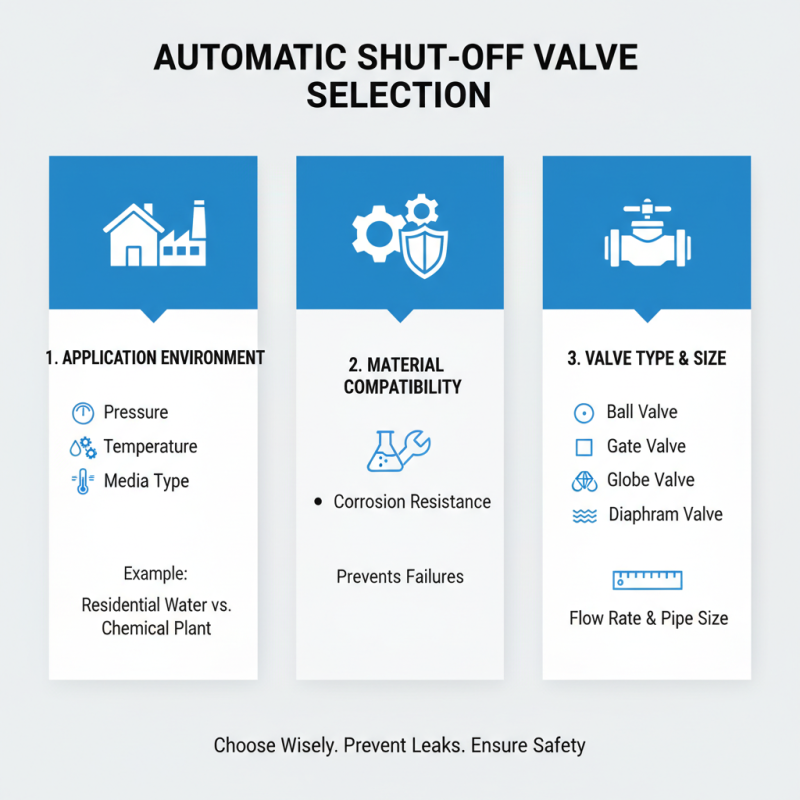
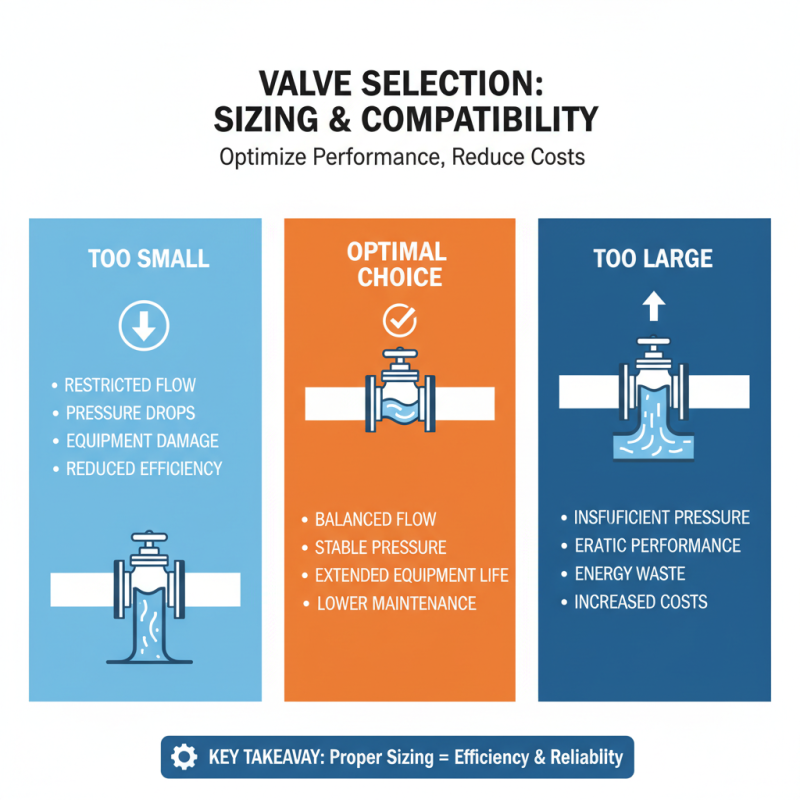
When selecting an automatic shut-off valve, valve sizing and compatibility are crucial factors to consider. According to industry reports, improper sizing can lead to reduced efficiency and increased maintenance costs. A valve that is too small can restrict flow, causing pressure drops and potentially damaging equipment. Conversely, an oversized valve may not create sufficient pressure differential, leading to erratic performance.
Compatibility involves ensuring that the valve material aligns with the fluid being controlled. For example, corrosive substances require valves made from compatible materials, such as stainless steel or specialized polymers. Research indicates that using a mismatched valve can lead to premature failure, resulting in costly repairs and downtimes. Fluid dynamics should also be considered; the wrong valve can disrupt flow patterns, which can increase wear on system components.
It’s important to consult with industry experts when making a selection. The specifications provided by manufacturers can guide the sizing process, but understanding your unique system requirements is essential. Evaluate your operational conditions, pressure ratings, and flow rates carefully. Overlooking these elements can lead to suboptimal performance and safety risks, so take the time to assess them thoroughly.
Maintenance Tips for Ensuring Optimal Performance of Shut Off Valves
Maintaining shut-off valves is crucial for optimal performance. Regular assessments can prevent leaks and reduce downtime. According to industry data, nearly 30% of valve failures result from neglecting maintenance. Inspections help to identify wear and tear early.
Lubrication is key. Properly lubricated valves operate smoothly. Insufficient lubrication can lead to sticking and malfunction. For instance, using the wrong lubricant can cause issues. Ensure the lubricant is compatible with the valve materials.
Temperature fluctuations also impact valve performance. Sudden changes can lead to expansion or contraction, affecting sealing surfaces. It's essential to monitor temperature regularly. A gradual approach to temperature changes can help mitigate risks. Regularly reviewing these factors contributes to a more reliable system overall. Always prioritize proactive measures over reactive fixes.
Top Tips for Choosing the Right Automatic Shut Off Valve
This chart illustrates the importance levels for various factors to consider when choosing an automatic shut off valve. A higher score indicates greater importance in ensuring optimal performance and reliability.