In a plumbing emergency, knowing how to swiftly perform a water shut off is crucial. Leaks, burst pipes, or overflowing fixtures can cause significant damage. Acting promptly can save both time and money. Every homeowner should be prepared for such situations.
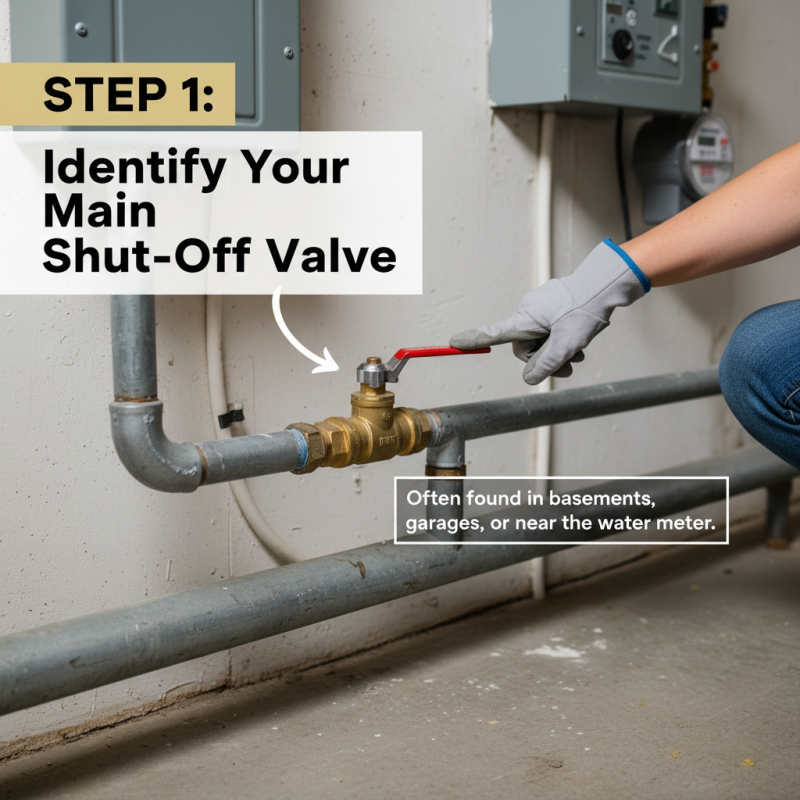
To turn off the water supply effectively, locate the main shut-off valve first. It’s usually near the water meter, in basements, or outside the house. When facing an emergency, understanding the layout of your plumbing is essential. Misinformation can lead to delays in stopping the flow.
Beyond simple mechanics, think about how these moments affect your home. The chaos of water damage can lead to costly repairs and emotional stress. Having a plan in place could make a difference. Reflect on this: Are you ready for a plumbing crisis? The answer might not always be yes.
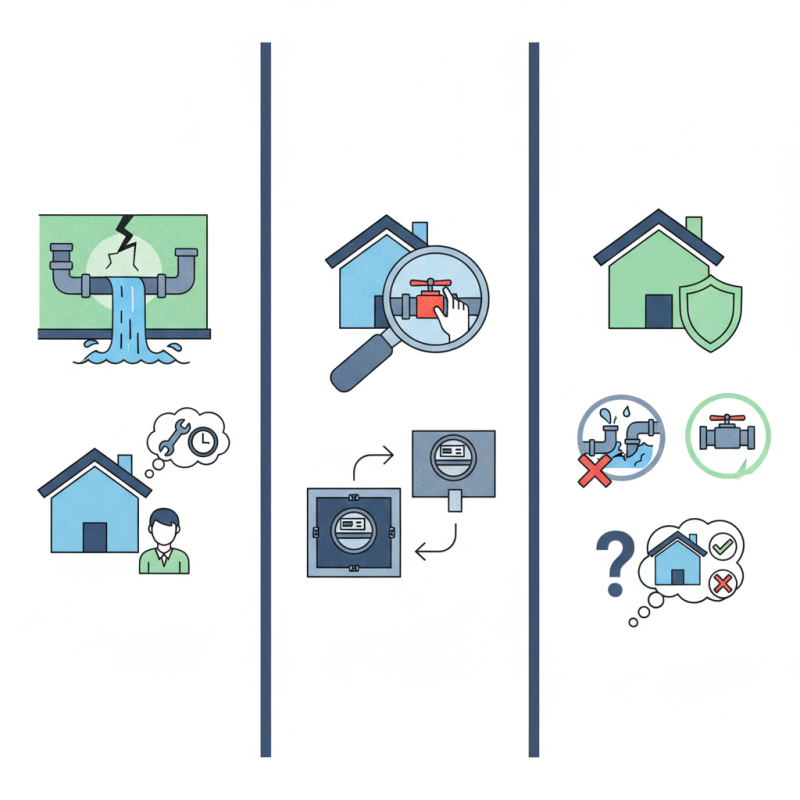
In emergencies, knowing how to shut off your water supply is crucial. A burst pipe or a malfunctioning appliance can lead to severe damage. Turning off the water quickly can minimize the extent of flooding. It can also protect your belongings and reduce repair costs. Understanding how to locate your main shut-off valve is essential.
Many homeowners overlook this vital step. They may not even know where their valve is located. During a crisis, time is of the essence. Panic often clouds judgment. You don’t want to be scrambling to find the valve while water pours in. Regular checks on your plumbing system can help.
Feeling unsure about your water system is common. It’s okay to seek advice. Create a plan before any emergency arises. Label your shut-off valve clearly. Practice shutting it off. This preparation can save a lot of headaches later. Taking these small steps can make a big difference when the moment arrives.

Locating your water shut-off valve is crucial for emergencies. Often, these valves are found in basements, crawl spaces, or near the water meter. It’s important to know the exact location so you can act quickly in case of a leak or burst pipe.
Check around the perimeter of your house. Look for a valve near the main water line. If you live in an apartment, the valve may be under the kitchen sink or in a utility closet. In older homes, the valve might be hard to find. It could be hidden behind insulation or storage items.
Tips: Regularly inspect your shut-off valve. Ensure it turns easily and isn’t corroded. If it’s stuck, you might need to replace it. Consider labeling the valve for easy identification. This can save precious time during an emergency.
Test your valve at least once a year. Turn it off to ensure it works. You may have to struggle with stiff valves. If you do, take a moment to reflect on the importance of preventative maintenance. Proper care can prevent major disasters down the line.
In an emergency, turning off the main water supply quickly can prevent extensive damage. Locate your main shut-off valve first. This valve is usually near the water meter, in a basement, or outside your home.
Next, turn the valve clockwise to shut off the water. It may require some strength, especially if it hasn’t been turned for a while. If you struggle, use a wrench, being careful not to damage the valve. Make sure to also inform family members about its location for future reference.
**Tips:** Regularly check your main shut-off valve. Test it occasionally by turning it to ensure it works. Also, consider labeling the valve so everyone knows where it is. Don’t ignore slow leaks around the area, as they can lead to rust or corrosion. Take some time to learn more about your plumbing system.
If you encounter any issues, seek help from a professional. They can provide guidance on maintenance. It’s always better to be prepared for these situations. Being proactive can save time and resources later.
Turning off the water supply during an emergency can prevent significant damage. However, many make mistakes that worsen the situation. Research shows that over 30% of homeowners don’t know how to locate their main shutoff valve. This lack of knowledge can lead to panic when every second counts.
Another common mistake is failing to shut off appliances. Appliances connected to the water supply might still leak if not properly secured. A report from the American Water Works Association indicates that nearly 10% of homes experience water leaks. Ignoring these appliances can exacerbate water damage. Being thorough is essential.
Some tend to rush through the process and forget to test the valve beforehand. A faulty valve can lead to complications. According to home inspection reports, about 25% of valves are stuck due to corrosion or wear. It’s crucial to know the condition of your shutoff valve before an emergency occurs. Regular maintenance and familiarity with your water system can make all the difference.
Restoring water supply after an emergency can be crucial for safety and comfort. Start by checking if it's safe to turn the water back on. Look for leaks or damages. A simple visual inspection can help you avoid further issues. If everything seems fine, gradually restore the flow. Turn the main valve slowly to prevent sudden pressure changes. Listen for strange sounds; they might indicate problems.
Once the water is flowing, run each faucet until it runs clear. Sediment may have built up during the shut-off. Pay attention to any unusual smells or colors in the water. This can signal contamination. In such cases, it’s better to err on the side of caution.
Consider keeping a log of any issues encountered. This can help in future emergencies. Reflecting on what went wrong can make future responses smoother. Every emergency is a learning opportunity. Stay observant and be prepared for the unexpected.
© Copyright 2025 | LittleFirefighter.com | All Rights Reserved | 1EZ Creative: Orange County Web Design

Fusce ut ipsum tincidunt, porta nisl sollicitudin, vulputate nunc. Cras commodo leo ac nunc convallis ets efficitur.

12345 North Main Street,
New York, NY 555555
1.800.555.6789
sale@vibrotools.com