How to Use Earthquake Gas Shut Off Valve Safely?

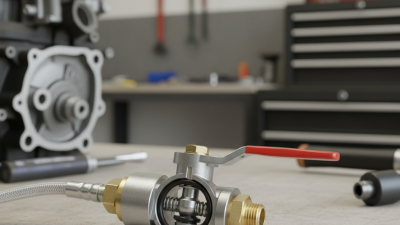
When an earthquake strikes, safety becomes a top priority. One essential tool for safeguarding homes is the earthquake gas shut off valve. This device automatically cuts off the gas supply during seismic activity, reducing the risk of fire or explosion. Understanding its operation is crucial for every homeowner, especially in earthquake-prone areas.

Using the earthquake gas shut off valve correctly can prevent potential disasters. However, some may overlook its maintenance or fail to test it regularly. It is not enough to install the valve once; periodic checks ensure it works when needed. Homeowners often forget about these details.

Education on this topic is necessary. Learning how to operate the valve can save lives. It is a simple yet powerful mechanism. Many assume they will remember during a crisis. But stress can make decision-making difficult. Regular practice and understanding enhance preparedness. Ultimately, the earthquake gas shut off valve is more than a tool; it is a vital part of emergency readiness.
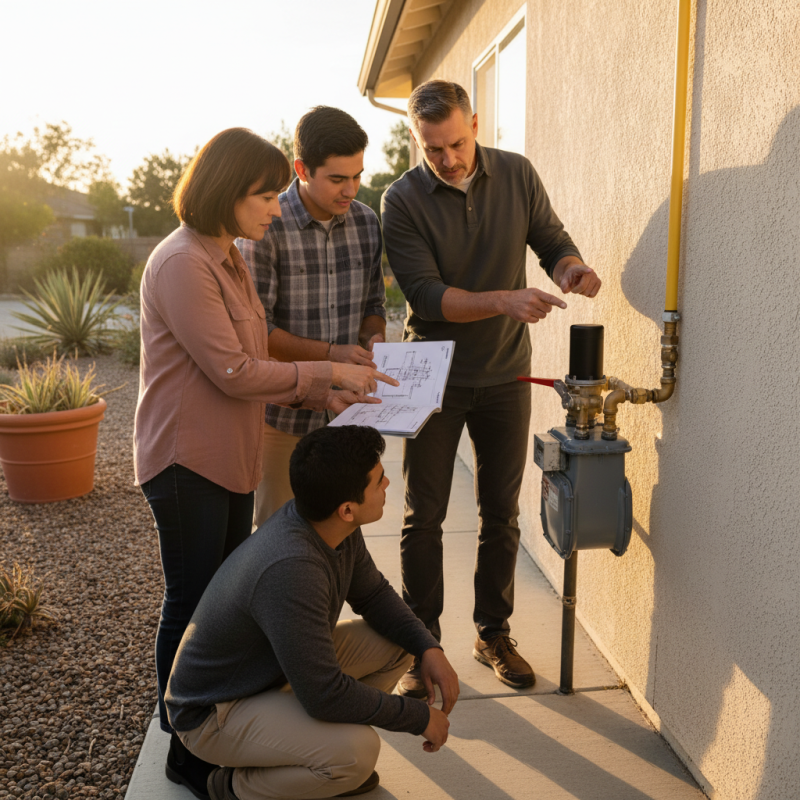
How to Use Earthquake Gas Shut Off Valve Safely?

Understanding Earthquake Gas Shut Off Valves: A Guide to Safety

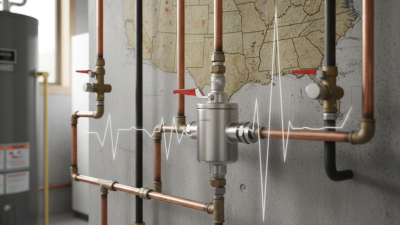
Earthquake gas shut off valves play a critical role in safety during seismic events. These valves automatically cut off gas supply when tremors are detected, helping to prevent fires and potential explosions. Knowing how to use them effectively is crucial for every household. It’s essential to understand their location in your home and how they function. Regularly inspecting the valve can ensure it operates when needed.

Installation is only part of the story. Users should practice how to manually operate the valve. During an actual earthquake, stress and adrenaline may hinder clear thinking. Simple drills can help. Ensuring all family members know how to access and turn off the valve is a good practice.

Recognize that these safety features are not foolproof. They might malfunction during severe earthquakes or may be improperly installed. Always combine their use with other safety measures such as emergency kits. Regular discussions on safety can not only enhance preparedness but also remind us of the importance of being proactive.
Identifying the Types of Earthquake Gas Shut Off Valves Available Today

When it comes to earthquake gas shut off valves, there are different types available today. Understanding these varieties can help ensure safer usage during emergencies. One common type is the automatic shutoff valve. It senses seismic activity and closes without manual intervention. This can be very beneficial. However, they may not always function perfectly. Regular testing is essential.

Another type is the manual shutoff valve. This requires human action to turn off the gas supply. Users must familiarize themselves with its location. While it's straightforward, in a panic, people might forget how to operate it. It's crucial to practice shutting it off before an earthquake strikes.

Finally, there are retrofit shutoff valves. These can be added to existing systems. While they provide options for older infrastructure, installation may pose challenges. Homeowners should assess their systems carefully. Choosing the right valve can significantly impact safety, but it requires thoughtful consideration and understanding of one’s own home.

How to Use Earthquake Gas Shut Off Valve Safely? - Identifying the Types of Earthquake Gas Shut Off Valves Available Today

Type of Valve Description Activation Method Reset Process
Automatic Shut-Off Valve Shuts off gas automatically when ground movement is detected. Seismic sensor activation. Restore gas flow manually after inspection.
Manual Shut-Off Valve Requires manual action to close the valve during emergencies. Hand-operated lever or knob. Turn the knob back to the open position after inspection.
Electronic Shut-Off Valve Uses electronics to detect seismic activity and shut off gas. Wired or wireless sensors. Re-enable electronically after safety checks.
Dual Shut-Off Valve Combines manual and automatic features for flexibility. Seismic sensor and manual closure option. Choose reset method based on the situation.

Installation Process for Earthquake Gas Shut Off Valves: Step-by-Step

When installing an earthquake gas shut off valve, preparation is key. Begin by gathering the necessary tools. You’ll need a wrench, pipe sealant, and a screwdriver. Next, turn off the main gas supply. According to the American Gas Association, about 30% of earthquake-related fires are caused by gas leaks. This highlights the importance of proper installation.

To start the installation, locate the gas line. The valve should be installed as close to the appliance as possible. Measure the distance carefully. Often, people miscalculate the placement, which can lead to inefficient operation. Ensuring a tight seal is paramount. Use the pipe sealant generously at the connections to prevent any leaks.

Tips: Always inspect your work post-installation. Check for any signs of gas leaks using soap solution. If bubbles form, you’ll need to retighten the connections. Regular maintenance checks can prevent disasters. Ensure that the valve remains operational after an earthquake; test it periodically. Remember, even the best installations require vigilance. Your safety and your home’s safety depend on it.

Earthquake Gas Shut Off Valve Usage Statistics

This bar chart illustrates key statistics related to the usage of Earthquake Gas Shut Off Valves, highlighting areas such as pre-installation awareness, installation success rates, post-installation checks, and regular maintenance practices. This data underscores the importance of preparedness and proper execution in enhancing gas safety during earthquakes.

Regular Maintenance Tips for Your Earthquake Gas Shut Off Valve

How to Use Earthquake Gas Shut Off Valve Safely?

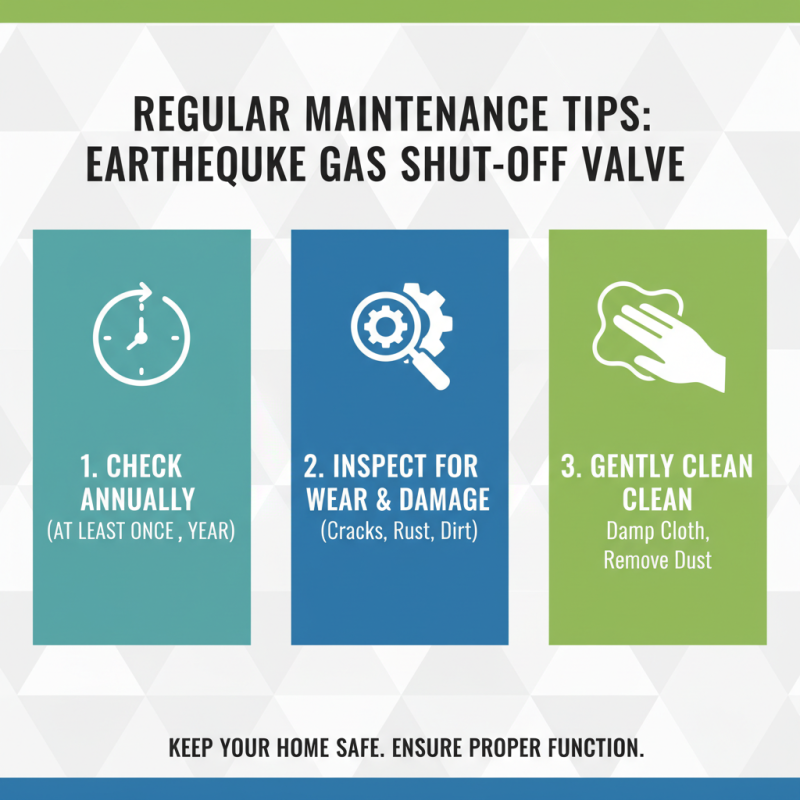
Regular maintenance of your earthquake gas shut off valve is crucial. Check it at least once a year. Look for any signs of wear or damage. Dust and dirt can build up over time. Clean it gently with a damp cloth to keep it functioning smoothly.

Testing the valve is another important step. You can test it by gently turning it to the off position and back. Listen for any unusual sounds. If you hear hissing or see gas leaks, professional help is needed. It’s advisable to document your maintenance activities. This can be useful for future reference.

In some cases, you may overlook minor issues. Small leaks can lead to bigger problems later on. Make it a habit to inspect the area around the valve. Ensure there are no obstructions or debris. Engaging family members in maintenance can also spread awareness about safety measures.

Emergency Procedures: How to React After an Earthquake Event

How to Use Earthquake Gas Shut Off Valve Safely?

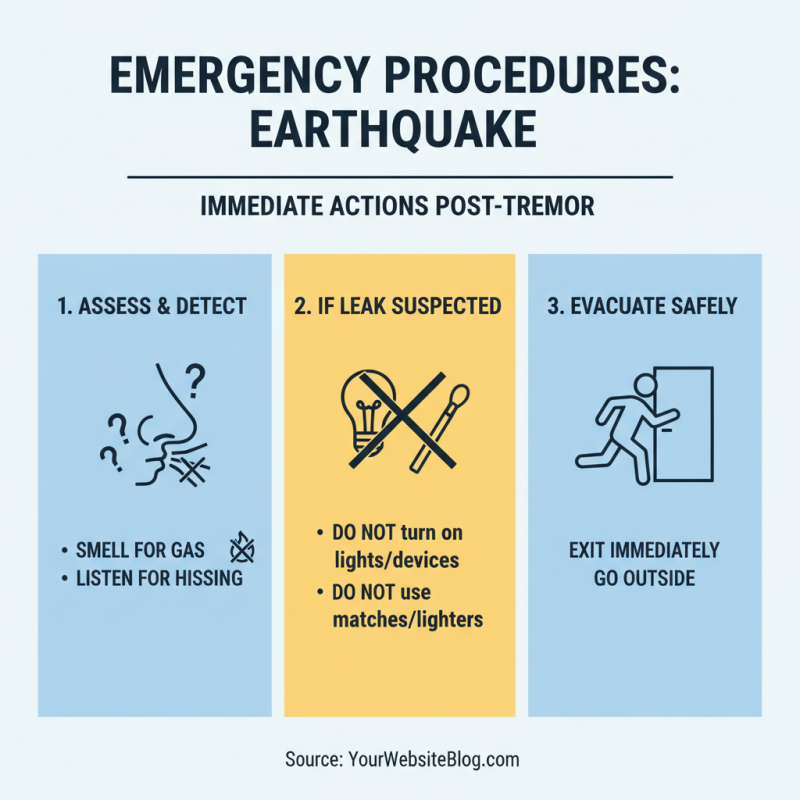
After an earthquake, it’s crucial to assess your surroundings carefully. Check for gas leaks immediately. Smell for gas or listen for hissing sounds. If you suspect a leak, it’s vital to act quickly. Do not turn on any devices. Avoid using matches or lighters. Exit your home or building promptly.

Once you’re in a safe place, contact your gas utility provider for assistance. They can guide you on how to shut off the gas if needed. If your valve is already turned off, do not turn it back on. You might feel unsure about the right steps. It’s normal to feel overwhelmed after an earthquake, but being calm and prepared helps.

In some cases, emergency personnel will assist, but they may be busy. Take time to review manuals or guides about gas shut-off valves before an earthquake strikes. Discussing plans with family members can enhance safety. Reflect on the importance of preparation. It can save lives.

AVADA IT

Fusce ut ipsum tincidunt, porta nisl sollicitudin, vulputate nunc. Cras commodo leo ac nunc convallis ets efficitur.

RECENT TWEETS

CONTACT US

  • 12345 North Main Street,
    New York, NY 555555

  • 1.800.555.6789

  • sale@vibrotools.com

Go to Top