
What Is a Metal Racking System?

A Metal Racking System is a structured storage solution made from connected metal components, commonly including upright frames, horizontal beams, and shelves. It holds goods above the floor and helps organize stock in warehouses, workshops, retail spaces, and back rooms. Some systems store cartons on shelves; others support pallets handled by forklifts. The right design depends on what needs storing.

Details matter. A rack’s height, bay width, shelf depth, and rated load capacity should match the items and the available space. For example, a row of boxed parts may need shallow shelves, while palletized goods require clear forklift access. The floor, aisle layout, and handling equipment also affect the choice. Check the manufacturer’s load information rather than judging capacity by appearance.

A sturdy-looking rack can still be a poor fit. That matters. Incorrect loading, damaged components, or unsuitable installation can create avoidable risks. Follow the product instructions, keep loads within stated limits, and arrange qualified installation when required. Regular checks can reveal bent beams, loose connections, or other visible damage before small issues are overlooked. The details vary by system and site, so no single rack suits every operation. This guide explains the basic parts, common configurations, and practical factors to consider when choosing a Metal Racking System. It also leaves room for an honest question: will the setup remain useful as stock and workflows change?
What Is a Metal Racking System?

Defining a Metal Racking System and Its Core Purpose

What Is a Metal Racking System?

Defining a Metal Racking System and Its Core Purpose

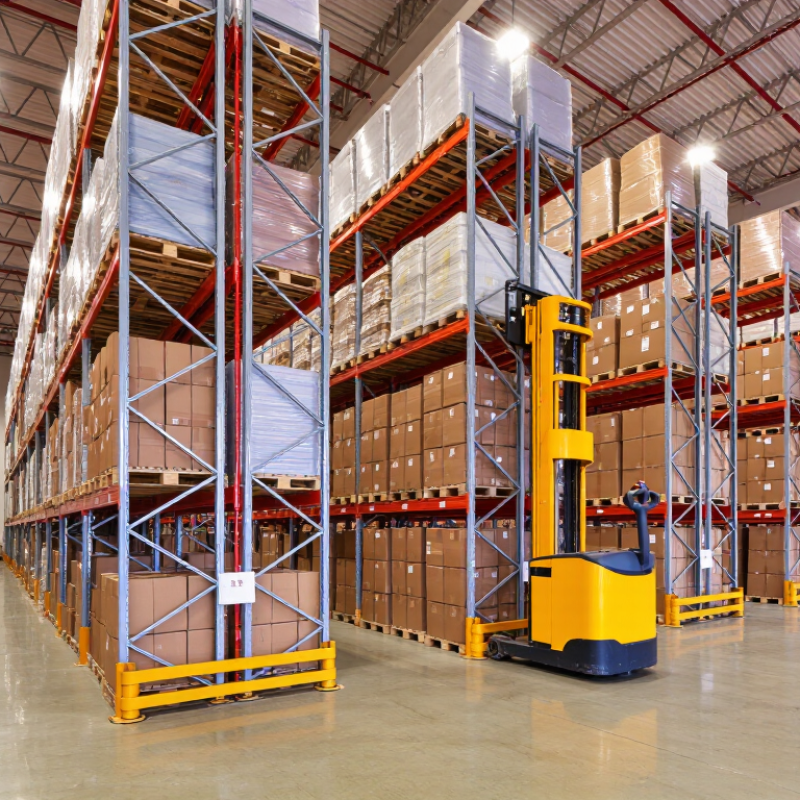
A metal racking system is a steel structure that stores goods on shelves, beams, or supports. In a warehouse, it uses vertical space and keeps inventory organized for access, counting, and movement. Its core purpose is practical: hold specified loads safely while helping workers locate and handle products. A rack is not a building shelf. Its components must work together under real loads, including pallets, forklifts, and changing stock levels.

MHI’s 2024 Annual Industry Report found that 55% of surveyed supply-chain professionals planned to increase technology investment. That points to growing attention on connected, efficient operations, but racking still depends on sound layout and load planning. The Rack Manufacturers Institute’s ANSI MH16.1 standard covers the design, testing, and use of industrial steel storage racks. Real conditions matter. A rack may look sturdy yet be unsuitable if beam capacity, floor condition, or forklift clearance is overlooked.

Tips: Check load labels before storing goods. Keep aisles clear, and report bent or damaged parts promptly. Measure the tallest loads, not just the pallets. A tidy layout helps, but it cannot replace proper inspection.

Key Components That Form a Metal Racking System

What Is a Metal Racking System?

Key Components That Form a Metal Racking System

A metal racking system is built from connected parts that support and organize stored goods. Upright frames form the vertical structure, with perforated columns that let beams lock in at different heights. Horizontal beams carry the load between uprights. Their connectors must seat fully; a partly engaged connection can be difficult to spot from the aisle.

Wire or solid decking gives boxes and smaller items a stable surface. Some systems use the pallets themselves instead. Small parts matter. Diagonal and horizontal braces help keep frames square, while base plates spread loads at floor level. Anchors may secure the rack to the floor, subject to the installation design and site conditions. Fit changes everything. In areas with forklift traffic, upright guards can help limit impact damage, though they do not replace careful operation.

Capacity depends on beam length, frame height, connection details, and how loads are positioned. Check the stated load ratings for the actual configuration, not just a similar-looking rack. A real installation also needs clear labels and aisles wide enough for the equipment in use. There is no perfect layout for every warehouse. Even a sound plan may need adjustment when stock sizes or handling routines change; that detail deserves a second look.

How Metal Racking Systems Store and Organize Loads

A metal racking system stores palletized goods on horizontal beams supported by upright steel frames. Workers or forklifts place loads onto each level, while the frame transfers weight down to the floor. Beam height can be adjusted to suit different pallet sizes, but each configuration has a rated capacity. Clear load labels help staff check limits before loading.

Selective racks provide direct access to each pallet, which can simplify picking when products change often. Higher-density layouts, such as drive-in racks, reduce aisles but may limit access to individual loads. MHI’s 2024 Annual Industry Report found that 55% of surveyed supply-chain professionals planned to adopt robotics and automation within five years. That shift makes aisle width, rack alignment, and equipment clearance practical design concerns, not small details.

Loads should sit evenly across beams, with pallets fully supported and no unstable overhang. Damaged uprights or bent beams need prompt inspection. The layout may look neat on a drawing; real pallets are less predictable. A mixed load can shift, and an aisle can become cramped faster than expected. Routine checks matter. Clear labels, marked aisles, and careful loading help keep stored goods organized and accessible.

Common Types of Metal Racking Systems

Metal racking systems use steel or other metals to store goods on shelves, beams, or arms. Their design depends on the load, item size, and handling method.

Selective pallet racking gives workers direct access to each pallet, making it practical for varied stock. Upright frames hold horizontal beams, and beam height can often be adjusted. Every load still needs to stay within the system’s rated capacity.

For long materials such as pipes, timber, or metal bars, cantilever racking uses projecting arms instead of front columns. This leaves the loading side open.

Shelving units suit smaller cartons, hand tools, and boxed parts. They fit workrooms and picking areas, but heavy items need properly rated shelves.

Drive-in racking stores pallets in deep lanes, using floor space efficiently. Access is less flexible, so it generally works best when many pallets contain the same product. It may not suit rapidly changing stock.

Tips: Measure the longest and heaviest items before choosing a layout. Check aisle width, floor condition, and forklift turning space. Space matters. Keep loads evenly placed, and inspect frames, beams, and connections for visible damage. A layout can look efficient on paper and still feel cramped during daily work. Review it with the people who will use it.

Where Metal Racking Systems Are Used

Metal racking systems are used wherever goods need orderly, accessible storage: distribution centers, factories, retail stockrooms, workshops, and archives. In warehouses, selective pallet racks keep forklift aisles open, while shelving holds cartons, tools, and small parts. Factories often store components near assembly lines to reduce walking and retrieval time. Retail backrooms use compact bays for replenishment stock. Cold-storage facilities use racks too, but airflow, corrosion resistance, and equipment clearances need careful attention.

Demand for organized fulfillment space is tied to changing retail flows. The U.S. Census Bureau estimated 2024 e-commerce sales at $1.1926 trillion, up 8.1% from 2023 and equal to 16.1% of total retail sales (Quarterly Retail E-Commerce Sales, February 2025). This is not a direct measure of racking demand, but it helps explain the need for efficient picking and buffer areas. A layout that looks efficient on paper can still create blind corners or slow replenishment on a busy shift.

Tips: Match rack type to load size, turnover, floor conditions, and handling equipment. Check beam ratings and anchoring against engineering documents, and inspect uprights after impacts. Leave room for lighting, sprinklers, and safe turning—not just another pallet position.

What Is a Metal Racking System? - Where Metal Racking Systems Are Used

A metal racking system is a structure made primarily from metal components that organizes and supports stored goods. The appropriate system depends on the items being stored, available space, access needs, handling equipment, and load requirements.

Racking system Common places used Typical goods or storage unit Access and handling Important considerations
Selective pallet racking Warehouses, distribution centers, and wholesale storage areas Palletized cartons, cases, and packaged materials Each pallet position is generally accessible from an aisle; commonly served by forklifts Plan aisle width, pallet dimensions, rack capacity, and protection against equipment impact.
Longspan shelving Stockrooms, workshops, retail backrooms, and light industrial spaces Boxes, bins, tools, and hand-loaded parts Usually accessed by hand; suitable for items that do not require pallet handling Check shelf and bay load limits, item size, and whether shelf levels can be adjusted.
Cantilever racking Lumber yards, metal stock areas, building-material depots, and manufacturing facilities Long or irregular loads such as pipe, timber, bar stock, and panels Open-front arms allow loading from the side, often with a forklift or suitable lifting equipment Match arm length and capacity to the load; secure materials against rolling or falling.
Drive-in or drive-through racking High-volume storage areas handling many pallets of the same product Pallet loads, often grouped by product or batch Forklifts enter storage lanes; drive-in systems are typically loaded and retrieved from one end, while drive-through systems allow access at both ends Lane depth, pallet condition, forklift clearances, and inventory rotation requirements affect suitability.
Mobile shelving Archives, records rooms, libraries, and compact storage areas Files, books, small cartons, and stored documents Shelving units move along tracks to open an aisle where needed Consider floor suitability, access frequency, aisle safety, and any fire or building requirements.
Mezzanine-supported shelving or racking Warehouses and facilities that need to make use of vertical space Cartons, parts, inventory, or work areas arranged across more than one level Access may be by stairs, lifts, or material-handling equipment, depending on the design Structural design, floor loading, guarding, stairs, and applicable building codes require careful review.

Capacities and installation requirements vary by system design and site conditions. Confirm rated loads with the system documentation and have the layout reviewed by a qualified professional.

AVADA IT

Fusce ut ipsum tincidunt, porta nisl sollicitudin, vulputate nunc. Cras commodo leo ac nunc convallis ets efficitur.

RECENT TWEETS

CONTACT US

  • 12345 North Main Street,
    New York, NY 555555

  • 1.800.555.6789

  • sale@vibrotools.com

Go to Top