
Why Choose an Industrial Foiling Machine?

Why Choose an Industrial Foiling Machine?

In modern packaging and print production, surface appearance can influence perceived quality within seconds. An Industrial Foiling Machine applies metallic, colored, or specialty foil with controlled pressure and heat. This process creates sharp lettering, reflective panels, and consistent decorative details across large production runs. It is especially useful for cartons, labels, book covers, luxury packaging, and promotional materials. A well-configured system can improve throughput while reducing manual finishing work. It can also support repeatable results when operators monitor temperature, pressure, foil tension, and material alignment. Small adjustments matter.

The practical value extends beyond visual appeal. Automated foil application may reduce setup waste and improve registration accuracy compared with slower manual methods. Modern equipment can integrate with feeding, stamping, embossing, and inspection systems. This integration helps manufacturers maintain stable workflows and document quality checks. However, purchasing one is not automatically the right decision. An industrial machine requires floor space, trained operators, regular maintenance, and suitable ventilation or safety controls. Energy use and foil consumption also deserve careful review. The cheapest model may become expensive when downtime and replacement parts are considered. That assumption deserves scrutiny.

Choosing correctly means comparing production volume, substrate types, foil patterns, changeover time, and expected return on investment. Experienced suppliers should provide technical specifications, sample testing, service support, and realistic performance data. Ask difficult questions. Can the machine handle your actual materials? Will operators receive practical training? A careful evaluation helps businesses select equipment that delivers dependable finishing quality rather than impressive promises.
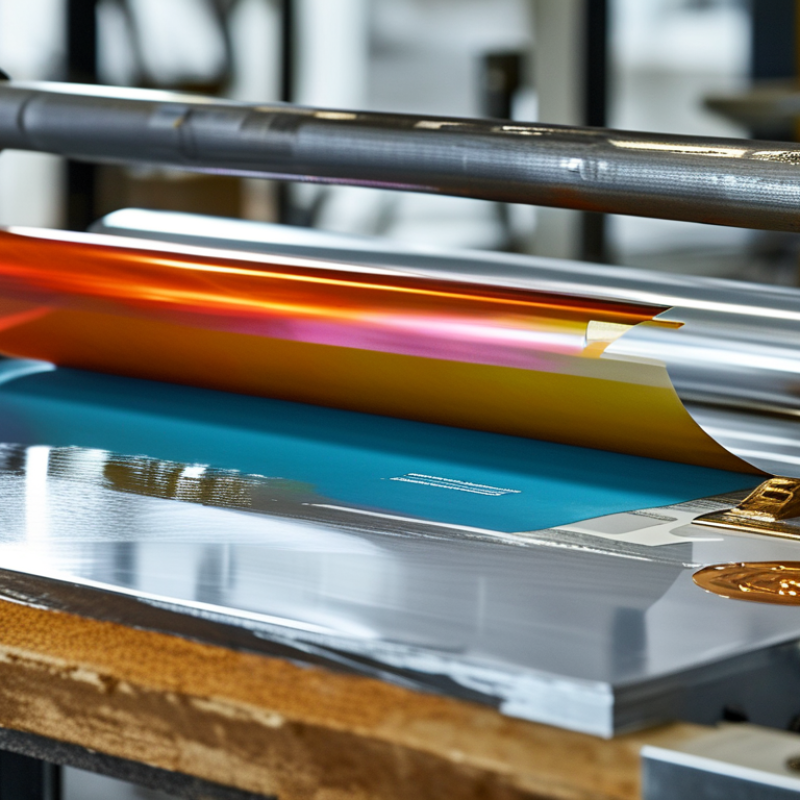
Why Choose an Industrial Foiling Machine?

What Is an Industrial Foiling Machine?

An industrial foiling machine is production equipment that applies thin metallic or colored foil to printed materials. It uses controlled heat, pressure, and a heated die or patterned cylinder to transfer the foil. Depending on its design, it may process labels, cartons, covers, tags, or flexible packaging at high speed. The foil unwinds from a roll, while sensors help align each impression with the printed surface. That alignment matters.

In a typical operation, an operator loads the substrate, selects temperature, adjusts pressure, and sets feed speed. The machine then presses the foil against the material for a measured time. Heat activates the foil’s release layer, while pressure bonds its pigment or metallic finish to the surface. Modern systems may include registration controls, waste monitoring, and automatic tension adjustment. These features reduce variation, but they do not replace skilled observation. A small wrinkle, dull patch, or uneven edge can reveal incorrect settings.

From hands-on production, the difficult part is often matching foil, substrate, and artwork. Coated paper may respond differently from textured board or synthetic film. Humidity, surface dust, and die wear can also affect the result. Industrial foiling is efficient, yet it is not completely automatic. Good results depend on testing, maintenance, and careful inspection under normal lighting. I would not treat the first successful sample as proof of a perfect setup. Repeated checks are wiser.

Why Choose an Industrial Foiling Machine? - What Is an Industrial Foiling Machine?

A practical overview of industrial hot foil stamping equipment, typical operating capabilities, and key selection criteria.

Data Dimension Typical Industrial Information Why It Matters
Definition A production machine that transfers metallic, pigment, holographic, or specialty foil from a carrier film onto a substrate using heat, pressure, and a heated die or stamping plate. Explains how the machine creates durable decorative and functional finishes without applying liquid ink.
Common Substrates Paperboard, coated paper, labels, synthetic sheets, selected plastics, leather, and certain coated films. Substrate compatibility determines adhesion quality, appearance, and production reliability.
Typical Production Speed Approximately 1,000–8,000 impressions per hour for many sheet-fed industrial systems; rotary systems may operate at higher web speeds. Higher output can reduce the cost per finished impression in medium- and high-volume production.
Operating Temperature Common heated-die settings are approximately 90–180°C, depending on the foil, substrate, die material, and machine design. Accurate temperature control helps prevent poor transfer, distortion, excessive foil release, and substrate damage.
Pressure Control Pneumatic, hydraulic, or servo-assisted systems provide adjustable stamping pressure; the correct setting depends on the image area and substrate. Consistent pressure improves edge definition, solid fill, registration, and repeatability.
Foil Types Metallic, pigment, holographic, clear, security, and scratch-resistant foils are commonly available for different visual or functional effects. The foil type affects appearance, durability, recyclability considerations, and application temperature.
Typical Applications Premium packaging, folding cartons, labels, book covers, greeting cards, certificates, promotional materials, and security features. Foiling adds shelf appeal, tactile contrast, visual differentiation, and—in some cases—authentication features.
Registration Accuracy Modern equipment may use mechanical, optical, or digital registration systems; achievable accuracy depends on the machine, material, and process setup. Accurate registration is important when foil must align with printed graphics, embossing, die-cutting, or multiple colors.
Material Efficiency Foil is transferred only where the heated die contacts the substrate; unused carrier film is collected or rewound for controlled disposal. Selective transfer can reduce coating-related waste, although foil waste still depends on layout, repeat length, setup, and web utilization.
Changeover Time Changeover can range from minutes to over an hour, depending on die replacement, foil loading, make-ready work, registration, and job complexity. Shorter setup times improve flexibility for mixed production schedules and smaller batch sizes.
Automation Features Common features include programmable temperature and pressure settings, automatic foil feeding, job memory, sensor-based registration, and production monitoring. Automation reduces operator intervention and helps maintain consistent output across long production runs.
Finish Durability A properly matched foil and substrate can provide strong resistance to handling, but performance varies with abrasion, moisture, chemicals, and end-use conditions. Durability testing helps confirm whether the finished product is suitable for transport, retail handling, or long-term display.
Main Reasons to Choose Industrial Foiling High repeatability, scalable output, premium visual effects, broad application potential, reduced dependence on liquid coatings, and compatibility with automated production lines. Industrial foiling is most suitable when appearance, consistency, production volume, and repeatable quality are important business requirements.

Note: Operating ranges are representative industry ranges rather than universal specifications. Actual performance depends on machine configuration, die design, foil construction, substrate properties, artwork coverage, and production conditions.

How Does an Industrial Foiling Machine Work?

An industrial foiling machine transfers a thin metallic or pigmented film onto a printed or shaped surface. In hot foiling, the machine feeds foil from a controlled roll. It starts with control. A heated die presses the film against the substrate. Heat activates adhesive or release layers. Pressure bonds the selected image to the surface. The die then lifts, leaving crisp foil details behind. The result depends on temperature, dwell time, and pressure.

During production, guide rollers keep the foil moving at stable tension. Sensors monitor registration between the artwork and each sheet or web. A servo-driven feeder controls spacing and speed. Some systems use a heated roller instead of a fixed die. Others apply adhesive before the foil reaches the nip point. These differences matter for paper, board, labels, films, and coated materials. Operators usually test a small run before full production. They check adhesion, edge sharpness, wrinkles, and missing areas.

From practical operation, material preparation is often the quiet deciding factor. Dust, uneven coating, or excessive moisture can weaken the transfer. A clean surface helps. Still, the process is not perfectly forgiving. Fine details may fill in, and high speed can increase waste. Small errors spread. Experienced technicians adjust one variable at a time and record the result. That habit makes troubleshooting more reliable. Regular checks of temperature, pressure, roller wear, and foil tension protect consistency. Industrial foiling is chosen when repeatable decoration and efficient output justify its setup time.

Which Materials and Applications Does It Support?

Industrial foiling machines support more than decorative carton work. They apply heat-transfer foils to paperboard, coated paper, labels, and selected synthetic films. Common foil types include metallic, pigment, holographic, and matte finishes. The substrate must tolerate heat, pressure, and brief contact without warping.

Smithers’ The Future of Global Packaging to 2028 estimates that worldwide packaging value will exceed 1.2 trillion dollars by 2028. That growth supports demand for efficient surface finishing, especially in folding cartons, premium labels, retail sleeves, and short-run promotional packaging.

Foiling can create sharp logos, fine borders, and tactile accents on textured stock. It can also improve shelf visibility without covering the entire printed surface.

Material testing remains essential. PET and BOPP films may accept foil, but surface energy, coating chemistry, and temperature settings can change adhesion. Paper fibers may lift under excessive pressure. A glossy finish is not always better.

European Aluminium’s 2023 data places aluminium packaging recycling in Europe at about 76%, yet foil structures still require careful design for recovery systems. Production trials should measure adhesion, scuff resistance, registration, and waste. Small adjustments matter. Operators often refine dwell time by fractions of a second. Some applications still fail after impressive first samples. That deserves review.

What Benefits Does Industrial Foiling Provide?

Industrial foiling provides a fast way to add metallic shine, color, and texture to printed materials. It can make labels, cartons, covers, and promotional pieces easier to notice. The result feels more substantial in the hand. That physical impression often supports product positioning without changing the package structure.

From practical production experience, the main benefit is repeatable quality at scale. An industrial foiling machine can apply precise pressure, heat, and timing across long production runs. This helps reduce uneven transfers, registration errors, and unnecessary material waste.

Operators can also test different foil effects on approved samples before full production. Small adjustments matter. A slightly wrong temperature may dull the finish or damage a delicate surface.

Foiling can improve visual hierarchy, too. A logo, safety notice, or key detail can receive selective emphasis without covering the entire design. Proper setup may shorten finishing time when compared with slower manual methods. However, foiling is not a cure for weak design. I have seen attractive effects fail because the substrate was unsuitable or the artwork contained overly fine details. Regular inspection remains essential. Check adhesion, edge sharpness, color consistency, and surface durability during production, not only afterward. With trained staff and documented process controls, industrial foiling becomes a reliable finishing method rather than a decorative gamble.

What Factors Should Guide Your Machine Selection?

Choosing an industrial foiling machine requires more than comparing production speeds. The right choice begins with your substrate, foil type, artwork, and daily volume. Paperboard, labels, plastics, and coated materials can react differently under heat and pressure. Test them before approving a machine.

Temperature control matters. Uneven heat can create dull patches, weak adhesion, or damaged surfaces. Pressure must remain stable across the working area. Check the machine’s adjustment range, registration accuracy, and die-change time. A fast machine is not useful if setup creates excessive waste.

Consider your real production conditions. Measure the smallest and largest formats you run. Review foil-saving systems, drying requirements, noise levels, and energy use. Ask how operators clean rollers and correct registration errors. Maintenance access is often overlooked. It should not be.

Request sample trials using your actual materials. Inspect fine text, solid areas, edges, and repeated impressions. Record setup time and rejected sheets. The first estimate may be too optimistic. Leave room for training, maintenance, and future product changes. A reliable machine should offer clear controls, documented safety procedures, available spare parts, and responsive technical support. Production targets matter, but repeatable quality matters more.

AVADA IT

Fusce ut ipsum tincidunt, porta nisl sollicitudin, vulputate nunc. Cras commodo leo ac nunc convallis ets efficitur.

RECENT TWEETS

CONTACT US

  • 12345 North Main Street,
    New York, NY 555555

  • 1.800.555.6789

  • sale@vibrotools.com

Go to Top