2026 Best Automatic Gas Shut Off Valve Type for Buyers?

Choosing the 2026 best automatic gas shut off valve type requires more than comparing prices or advertised response times. Buyers need evidence, compatibility, and a clear understanding of installation conditions. Gas appliances differ by fuel, pressure, pipe size, and operating environment. A valve designed for a residential kitchen may not suit a boiler room, restaurant, or industrial line.

Industry guidance provides a useful starting point. NFPA 54, the National Fuel Gas Code, emphasizes safe fuel-gas installation, shutoff access, appliance connections, and protection against abnormal conditions. ASME B16.44 also addresses manually operated metallic gas valves for residential piping systems. Meanwhile, reports from the U.S. Energy Information Administration show the continuing importance of natural gas in household energy use. That demand keeps automatic protection relevant, especially where kitchens, furnaces, and water heaters operate daily.

The strongest 2026 options will likely combine thermal shutoff, excess-flow protection, reliable sensing, and simple manual reset. Some models respond to seismic movement or detected leaks. Others integrate with alarms and building-management systems. Specifications matter. So do field conditions. A valve with impressive laboratory performance may disappoint if installed backward, undersized, or without routine testing. That is easy to overlook.

Buyers should verify certification, pressure range, connection standard, temperature rating, reset method, and service support before purchase. Independent testing and installer experience deserve more weight than vague marketing claims. No single valve fits every application. That is the uncomfortable truth. This guide compares the leading automatic gas shut off valve types for safety, durability, maintenance, and practical 2026 purchasing decisions.
2026 Best Automatic Gas Shut Off Valve Type for Buyers?

What Is an Automatic Gas Shut-Off Valve?

An automatic gas shut-off valve is a safety device installed in a gas line. It closes the supply when it detects a dangerous condition. Depending on the design, that condition may be excessive gas flow, abnormal pressure, earthquake movement, or intense heat. The valve helps limit fuel release before a damaged pipe creates a larger hazard.

The best type for buyers in 2026 depends on the building and its gas equipment. An excess-flow valve suits systems where a broken or disconnected line could release gas quickly. A seismic valve may be valuable in earthquake-prone areas. A thermal shut-off valve responds to extreme heat near a fire. Some systems combine a gas detector with an automatic valve, offering wider monitoring but requiring compatible controls and reliable power.

Installation matters greatly.

A qualified gas professional should check pipe size, operating pressure, flow capacity, and local installation requirements. The valve must close without interrupting normal appliance operation. It should also allow safe inspection and manual reset after activation. Buyers sometimes focus only on response speed, but false shut-offs can cause inconvenience and unsafe troubleshooting. That concern deserves attention. No valve replaces routine leak checks, appliance maintenance, or a working alarm. Technical labels can also be confusing, especially when “automatic” describes different activation methods. A careful buyer should request test procedures, service intervals, and clear evidence that the valve matches the intended gas system.

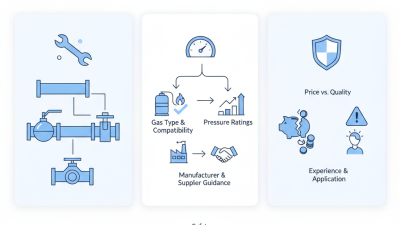
How Different Valve Types Work and Compare

2026 Best Automatic Gas Shut Off Valve Type for Buyers?

How Different Valve Types Work and Compare

Automatic gas shutoff valves do not work in the same way. Solenoid valves use an electrical signal to close quickly during a detected leak. They often connect with gas detectors, alarms, or emergency systems. Motorized ball valves rotate a quarter turn and usually provide strong, visible isolation. They may need stable power and a compatible control panel. Excess-flow valves respond mechanically when gas movement suddenly exceeds a safe limit. Thermal shutoff valves close when nearby heat reaches a dangerous level.

Each type suits a different risk. Solenoid valves are responsive, but false alarms may interrupt cooking or heating. Motorized ball valves can be durable, though their closing speed varies. Excess-flow valves work without electronics, yet they may not detect a small, steady leak. Thermal valves add protection near heat sources, but they cannot replace leak detection. No valve wins every situation. That is an important buying reality.

Tips: Check the gas type, pipe size, pressure rating, response method, and reset procedure. Choose a fail-safe design when power loss creates serious risk. Confirm that qualified technicians can install and test it. Local safety requirements still matter. A clear manual matters too. During inspection, look for corrosion, loose wiring, and restricted access. Buyers sometimes focus only on closing speed. That can be a mistake. Reliable operation, suitable sensors, and simple maintenance deserve equal attention.

2026 Best Automatic Gas Shut-Off Valve Types for Buyers

Comparison of common valve types using typical design characteristics. Scores range from 1 to 5, where 5 indicates a stronger advantage for the selected buyer criterion. Actual performance depends on installation, certification, pressure, gas type, and local code requirements.

Which Features Matter Most for Buyer Safety?

Choosing the best automatic gas shutoff valve in 2026 starts with safety features, not price. The valve should detect unusual gas flow, close quickly, and provide a clear status indicator. A manual reset is valuable because it prevents automatic reopening after a suspected leak. Look for fail-safe operation during power loss, especially when the valve depends on electricity or a control panel.

Compatibility matters just as much. Confirm the pipe size, gas type, operating pressure, and connection method before purchase. A qualified installer should verify these details on site. Sensors should be placed near likely leak sources, while alarms should remain audible from sleeping areas. Certified construction and documented testing add confidence, but approval marks may differ by region. Check local requirements carefully.

Tips: Ask how the valve behaves during a false alarm. Test the shutoff and alarm according to the instructions. Keep the reset control accessible, but away from children. Replace batteries on schedule. Do not rely on the valve alone; inspect hoses, burners, and connections regularly. A perfect system does not exist. Even a reliable valve can fail when poorly installed or ignored. Buyers should also consider maintenance access, replacement parts, and clear technical support before committing.

How to Choose the Right Valve for Each Gas System

2026 Best Automatic Gas Shutoff Valve Type for Buyers?

How to Choose the Right Valve for Each Gas System

Choosing an automatic gas shutoff valve starts with the gas system, not the product label. Identify the fuel type, operating pressure, pipe diameter, and maximum flow rate. A valve designed for natural gas may not suit liquefied petroleum gas. Check the technical data carefully.

For homes, thermal shutoff valves can close the supply when nearby heat becomes dangerous. Excess-flow valves respond to a sudden pipe break or damaged appliance connection. Solenoid valves work well with gas detectors, emergency buttons, or building control systems. Some models close when power fails, while others remain open. That difference matters.

Commercial kitchens and boiler rooms often need faster response and manual reset control. A manual reset can prevent gas from returning unnoticed after an alarm. In contrast, automatic reopening may create risk during an unresolved fault. Ask a qualified gas professional to confirm the valve’s pressure rating, connection method, installation position, and approved testing procedure.

Look for clear flow-direction marks and durable metal construction. Inspectors usually need accessible shutoff points. Small details matter.

Field conditions can challenge a neat specification. Dust, vibration, moisture, and repeated cycling may affect performance. I would not choose a valve from flow capacity alone. The ideal selection balances response time, fail-safe behavior, maintenance access, and compatibility with the entire gas control system. Check the installation manual twice. Mistakes happen.

What to Check Before Installation and Regular Maintenance

Before Installing an Automatic Gas Shut-Off Valve

Before installation, confirm the valve matches the gas type, pipe size, pressure range, and required flow rate. A wrong size may restrict appliances or cause unstable operation. Check the arrow on the valve body. It must follow the gas-flow direction.

Use a qualified technician for connection, sealing, and leak testing. The installation area should remain dry, accessible, and protected from heat, impact, and flooding. Check whether the valve needs electricity, batteries, or a separate sensor. Test the manual reset and emergency controls before covering nearby pipes. Do not rely on appearance alone. A clean installation can still contain a loose fitting.

Regular maintenance should include a visual inspection for rust, cracks, damaged wiring, and unusual smells. Test the shut-off response according to the device instructions, not by creating a dangerous leak. Inspect connected sensors for dust and moisture. Replace batteries before they become weak. Keep a simple service record with dates, test results, and observed faults. If the valve closes unexpectedly, investigate the cause instead of repeatedly resetting it. This is where routine work can become careless. Never bypass the valve or force it open. Check the appliance connections after maintenance, and arrange professional leak testing whenever piping is disturbed.

2026 Best Automatic Gas Shut Off Valve Type for Buyers? - What to Check Before Installation and Regular Maintenance

Valve Type Primary Trigger Typical Application Reset Method Key Installation Checks Routine Maintenance Buyer Suitability
Seismic gas shutoff valve Detected earthquake movement or vibration above the calibrated setting Homes and buildings in earthquake-prone areas Usually manual reset after the gas system has been inspected Install in the approved flow direction; use a rigid, accessible location; confirm the valve is suitable for the gas type, pipe size, pressure, and local seismic requirements Inspect for corrosion, physical damage, blocked access, and accidental movement; test only according to the manufacturer’s procedure Best where earthquake protection is a priority; it does not replace leak detection or appliance safety controls
Excess-flow shutoff valve Gas flow exceeding the valve’s calibrated limit, such as after a ruptured or disconnected line Branch lines, appliance connectors, outdoor gas equipment, and selected distribution points Automatic or manual, depending on the design; downstream pressure must normally be stabilized before resetting Match the flow capacity to the connected appliances; verify minimum and maximum operating pressure and avoid incorrect pipe reductions Check for nuisance trips, leaks, damaged fittings, and changes in appliance load; investigate repeated shutoffs instead of repeatedly resetting A practical choice for limiting gas release after a line failure, but it may not detect small leaks below its trip threshold
Thermal shutoff valve Exposure to excessive external heat or fire conditions Gas piping near appliances or locations where fire exposure is a specific risk Generally manual replacement or reset, depending on the certified construction Install where the thermal element can sense the required temperature; maintain clearance from heat sources and follow the permitted mounting orientation Inspect the thermal element, valve body, threads, seals, and surrounding heat damage; do not bypass a valve that has operated Useful as a fire-related safeguard; it is not a substitute for smoke alarms, fire protection, or gas-leak detection
Electrically actuated gas shutoff valve Electrical signal from a gas detector, emergency-stop circuit, building-management system, or alarm controller Commercial kitchens, plant rooms, laboratories, and monitored residential systems Manual or electrically controlled reset; many safety systems require an intentional restart Verify voltage, current, fail-safe behavior, wiring protection, enclosure rating, actuator position, emergency-stop logic, and compatibility with the gas detector Test the alarm-to-valve sequence, backup power if provided, indicator lights, wiring terminals, actuator operation, and manual reset function Best for integrated monitoring and remote isolation; requires reliable power, commissioning, and periodic functional testing
Pressure-operated safety shutoff valve Abnormal inlet or outlet pressure, including overpressure or underpressure conditions Gas-pressure regulation assemblies, commercial equipment, and larger distribution systems Usually manual reset after pressure has returned to the approved range Confirm set points, pressure class, regulator compatibility, sensing-line arrangement, venting requirements, and downstream equipment limits Record inlet and outlet pressure, inspect sensing lines and vents, check for unstable pressure, and verify trip and reset performance by a qualified technician Suitable where pressure control is central to system safety; selection should be based on a documented pressure calculation
Gas detection system with automatic valve Detected concentration of combustible gas above the configured alarm level Indoor areas, kitchens, boiler rooms, utility rooms, and monitored commercial spaces Normally manual reset after ventilation, leak investigation, and alarm clearance Place sensors according to the gas density and room layout; verify alarm levels, sensor coverage, valve compatibility, ventilation, and cable routing Perform sensor bump or functional tests at the interval specified for the detector; inspect calibration status, alarm sounders, power supply, and valve response Strongest option for detecting leaks in occupied spaces when correctly designed, installed, calibrated, and maintained
Pre-Installation Check What to Confirm Maintenance Frequency Safety Rule
Gas type and service pressure The valve is certified and rated for the actual fuel gas, pressure range, temperature range, and installation environment Visual inspection at least annually, with functional testing based on local code and the equipment instructions Any gas work, leak testing, commissioning, or set-point adjustment should be completed by a qualified gas professional
Pipe size, flow rate, and pressure loss The selected valve will not restrict required appliance flow or cause unstable downstream pressure After any appliance, piping, or control-system modification Never select a valve only by pipe diameter; capacity and operating conditions must also match
Flow direction and mounting position The arrow, orientation, access clearance, and support requirements are followed During routine service and whenever corrosion or mechanical movement is observed Do not paint over, obstruct, force, or modify the valve, actuator, sensor, or reset mechanism
Emergency access and isolation The shutoff is clearly labeled, reachable, and not hidden behind fixed equipment or stored materials Check during every planned inspection and after building-use changes If gas odor, hissing, or an unexplained trip occurs, avoid ignition sources, leave the area, and contact emergency or gas service personnel

AVADA IT

Fusce ut ipsum tincidunt, porta nisl sollicitudin, vulputate nunc. Cras commodo leo ac nunc convallis ets efficitur.

RECENT TWEETS

CONTACT US

  • 12345 North Main Street,
    New York, NY 555555

  • 1.800.555.6789

  • sale@vibrotools.com

Go to Top