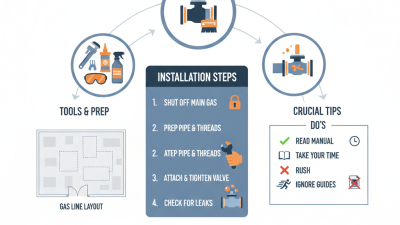
A gas shut-off valve controls the flow of natural gas or propane into a building, appliance, or pipeline. It may look like a small metal handle, yet its purpose is critical. When a burner fails, a flexible connector breaks, or a strong gas odor appears, closing the valve can limit the fuel supply. That action may reduce fire and explosion risks. It does not replace emergency services, professional inspection, or safe evacuation.
Gas-safety engineer Robert Wilson explains, “A shut-off valve protects people only when it remains accessible and clearly understood.” That practical point matters. A hidden valve is difficult to use during panic. A stiff handle may signal neglect. An outdated label can create dangerous confusion. The gas shut valve should remain free from paint, storage boxes, and physical damage. Homeowners should never force it or repair gas equipment without qualified help. Local requirements also vary, so professional guidance remains essential.
This guide explores what a gas shut-off valve does, where it is commonly located, and why regular awareness matters. It also distinguishes the main valve from appliance-level controls. The difference is easy to miss. Small details matter here. A valve may appear functional but still require inspection. Readers should treat unusual smells, hissing sounds, or damaged fittings as urgent warning signs. Leave the area, avoid switches and flames, and contact the appropriate emergency or gas utility service. Safety is not always convenient. It must still come first.
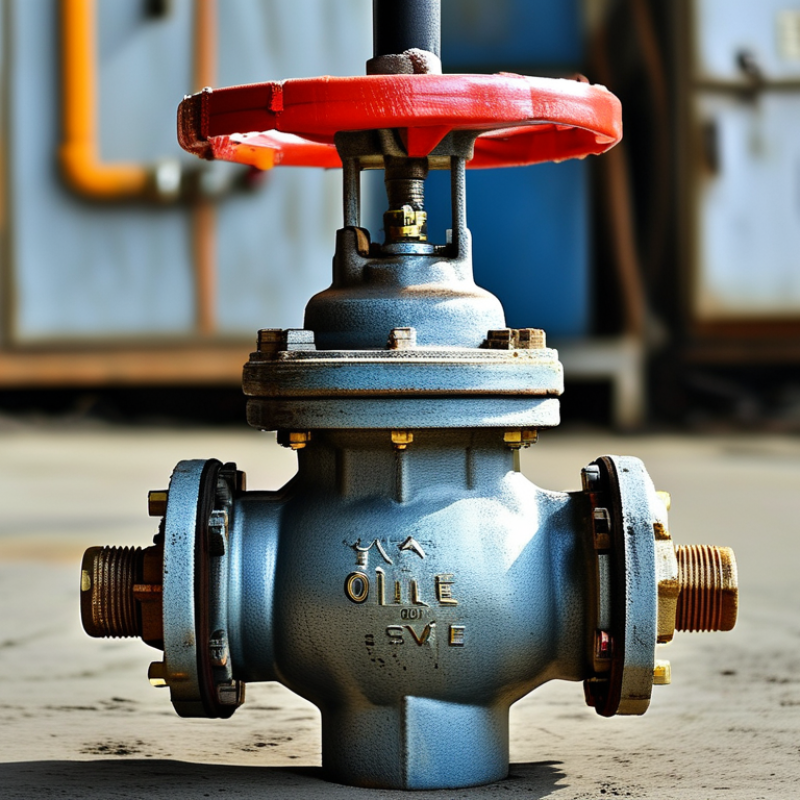
A gas shut-off valve is a mechanical control that stops fuel from reaching an appliance or building. It is commonly installed near a gas meter, furnace, water heater, or cooking range. Many appliance valves use a quarter-turn handle. When the handle sits across the pipe, the gas supply is usually off. Always confirm the valve design with a qualified professional, because appearances can mislead.
The valve matters because gas can ignite when it mixes with air. The U.S. National Fire Protection Association reports that cooking caused about 44% of reported home fires from 2016 to 2020. This figure does not mean every fire involved gas, but it shows why accessible controls deserve attention. During a suspected leak, avoid flames, switches, and phones inside the building. Leave immediately, then contact emergency services or the gas utility from a safe location. Do not reopen the valve yourself unless professionals approve it.
Tips: Keep the valve visible and free from storage boxes. Label it clearly. Test nothing by turning it casually. A qualified technician should inspect older connections and confirm safe operation. The weak point is often not the valve itself; it is poor access or uncertainty during stress. I have seen homeowners remember the location but not the direction. That small gap can matter. NFPA safety guidance and U.S. Consumer Product Safety Commission incident reporting both support careful appliance maintenance and prompt action around fuel-related hazards.
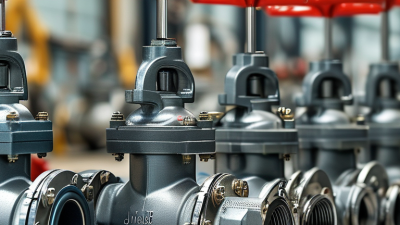
A gas shut-off valve controls the fuel flowing into a building or appliance. Its purpose is simple: stop gas quickly when maintenance, damage, or a suspected leak occurs. Most household valves use a quarter-turn handle connected to a ball inside the valve body. When the handle follows the pipe, the passage is usually open. When it turns across the pipe, the ball blocks the passage.
The valve works mechanically, without electricity. Turning the handle changes the ball’s position and interrupts gas flow to the appliance. Some systems also use automatic shut-off valves. These can close when sensors detect excessive flow, pressure changes, or seismic movement. The shut-off valve is not the same as a pressure regulator. A regulator controls pressure, while the shut-off valve stops supply.
Look closely. A stiff handle, corrosion, or a damaged pipe can prevent reliable operation. Never force a stuck valve or test it with a flame. If you smell gas, avoid switches and open flames, leave the area, and contact the local emergency service or a licensed gas professional. A qualified technician should inspect leaks, valve condition, and connection threads with approved methods. The handle position can be confusing, especially in poor lighting. Clear labeling helps, but labels can fade. Regular inspection remains important.
| Data Dimension | Key Information | Practical Details |
|---|---|---|
| Definition | Gas shut-off valve | A mechanical valve used to stop or allow the flow of fuel gas through a gas piping system. |
| Primary Purpose | Gas-flow isolation | It allows gas to be isolated during appliance servicing, maintenance, emergencies, or periods when an appliance is not being used. |
| Basic Operating Principle | Open or closed flow path | When the internal closing element is aligned with the pipe passage, gas can flow. When it turns across or blocks the passage, gas flow is stopped. |
| Common Valve Type | Quarter-turn ball valve | A ball valve typically uses a handle that rotates about 90 degrees. The handle is generally parallel to the pipe when open and perpendicular to the pipe when closed. |
| Other Valve Designs | Plug, gate, or appliance control valves | Different gas systems may use other approved designs. The valve must be suitable for the gas type, pressure, installation environment, and applicable local requirements. |
| Typical Locations | Appliance connection and building gas entry | A local shut-off valve is commonly installed near an individual gas appliance. A larger service or main shut-off valve may be located where the gas supply enters a building. |
| Appliance-Level Function | Isolates one appliance | Closing the local valve can stop gas to a stove, water heater, furnace, fireplace, or other connected appliance without necessarily shutting off the entire building. |
| Main Shut-Off Function | Isolates the whole gas supply | The main valve can stop gas to multiple appliances, but it should normally be operated only when necessary and in accordance with local utility and safety guidance. |
| Open Position | Gas is permitted to flow | For many quarter-turn valves, the handle is aligned with the gas pipe. Position markings on the valve should be followed because designs can vary. |
| Closed Position | Gas flow is blocked | For many quarter-turn valves, the handle is at a right angle to the pipe. Do not force a stiff, damaged, or corroded valve. |
| Why It Is Important | Reduces uncontrolled gas release | A properly installed and accessible shut-off valve provides a rapid way to isolate a suspected leak or an appliance requiring repair. |
| Leak-Response Action | Safety critical | If a gas odor is noticed, avoid flames, electrical switches, and ignition sources; leave the area; and contact the local gas emergency service or emergency responders from a safe location. Operate a valve only if it can be done without risk. |
| Routine Operation | Use only when required | Valves should not be repeatedly exercised or adjusted unnecessarily. If a valve does not operate smoothly, qualified personnel should inspect it. |
| Inspection Focus | Condition and accessibility | Check that the valve is accessible, clearly identifiable, free from severe corrosion or physical damage, and not obstructed by stored materials. |
| Compatibility | Approved for fuel gas service | A gas valve should be rated and approved for the specific fuel gas and pressure used in the installation. A valve intended for water or general-purpose plumbing may not be suitable for gas. |
| Installation Requirement | Qualified installation | Gas piping and valve installation should be performed or inspected by qualified professionals in compliance with applicable codes, permits, and local regulations. |
| Valve Versus Regulator | Different functions | A shut-off valve controls whether gas flows. A pressure regulator controls or reduces gas pressure. A shut-off valve does not replace a regulator. |
| Valve Versus Excess-Flow Device | Different protective roles | An excess-flow device is designed to restrict flow when it detects an unusually high flow rate. A standard manual shut-off valve requires a person to turn it. |
| Reset Consideration | Some systems may require professional reset | If a safety device or automatic gas control has closed the supply, the cause should be identified before restoring gas. Follow the equipment instructions and seek qualified assistance when required. |
| Safe Reopening | Confirm the system is safe first | After a valve has been closed because of a suspected leak, damage, or appliance problem, do not reopen it until the system has been checked and declared safe by qualified personnel or the relevant gas authority. |
| Maintenance Limitation | Do not repair casually | Do not disassemble, lubricate, modify, or replace a gas shut-off valve without the required expertise and authorization. Improper work can create a serious leak or fire hazard. |
| Expected Result When Closed | Gas flow should stop | When the correct valve is fully closed and functioning properly, gas should no longer reach the isolated section or appliance. A continuing odor or suspected flow requires immediate safety action. |
Gas shut-off valves are usually found in two places: at the gas meter and beside each gas appliance. The main valve sits on the service pipe entering the meter, often outdoors near a wall, fence, or property boundary. A quarter-turn handle usually indicates the supply position. In apartments, the meter and valve may be inside a marked utility cabinet. Propane systems commonly place the main valve directly on the outdoor tank.
Smaller appliance valves are closer to the equipment. Check behind a stove, beside a water heater, near a furnace, or beneath a gas fireplace. The valve should remain reachable without moving heavy furniture or dismantling panels. A common mistake, even in careful homes, is confusing the appliance valve with the main supply valve. I still verify both during inspections. A flashlight helps.
The U.S. Energy Information Administration reported roughly 4.3 trillion cubic feet of residential natural-gas consumption in 2023. That scale makes accessible isolation points practical, not decorative. NFPA’s Fire Loss in the United States report recorded about 1.39 million reported fires in 2023, although it does not identify shut-off valves as the cause or solution. If you smell gas, do not search for the valve indoors or operate electrical switches. Leave immediately and contact emergency services or the gas utility from a safe location. Local codes vary, and an inaccessible or damaged valve needs evaluation by a qualified professional.
What Is a Gas Shut Off Valve and Why Is It Important?
When Should You Shut Off the Gas Supply?
Shut off the gas supply when you smell sulfur-like odor, hear hissing, or see damaged gas piping. A gas shutoff valve can stop fuel from reaching an appliance or the entire building. However, operate it only if the valve is nearby and accessible without entering danger. Leave immediately. Do not use switches, flames, phones, or vehicles near the suspected leak. Call emergency services or the local gas utility from a safe location.
After an earthquake, flood, fire, or serious appliance impact, shut off the supply if the system appears damaged. The National Fire Protection Association reports an average of 358,500 home structure fires annually in the United States from 2017 to 2021. Cooking equipment caused about 44 percent of those fires. These figures cover all cooking-related fires, not only gas incidents, but they show why damaged appliances deserve prompt attention.
Close the valve before extended vacancy when local professionals recommend it. Never shut off gas merely to solve poor ventilation or a faulty burner. A qualified technician should inspect the system before reopening it. The valve handle usually turns perpendicular to the pipe when closed, but layouts vary. Check the position carefully. Memory is not a safety system. I would not treat a faint odor as harmless, either. Even small leaks can collect in enclosed spaces and ignite unexpectedly.
A gas shut-off valve controls the flow of gas into an appliance or building. Its importance becomes clear during a leak, damaged connection, or sudden appliance failure. Turning the handle can stop the fuel source before a small problem becomes a fire or explosion. The valve may sit behind a stove, beside a water heater, or near the gas meter. Everyone in the household should know its location.
A properly working valve should turn smoothly and stop firmly. A common quarter-turn valve is open when its handle runs parallel with the pipe. It is closed when the handle crosses the pipe. Never force a stiff, rusty, or damaged valve. That action may worsen the leak or break the fitting. During inspections, technicians check the valve, pipe threads, labels, and surrounding surfaces for corrosion or movement.
If you smell rotten-egg-like gas, leave immediately and avoid flames, switches, phones, and vehicles near the suspected leak. Call the local emergency service from a safe location. Do not return until qualified professionals declare the area safe. Many people test a valve only after an emergency begins. That is risky. A quiet check during routine maintenance is more useful, although homeowners should not dismantle gas equipment. Local codes and equipment instructions may differ, so a licensed gas professional should handle repairs, replacement, and leak testing.
© Copyright 2025 | LittleFirefighter.com | All Rights Reserved | 1EZ Creative: Orange County Web Design

Fusce ut ipsum tincidunt, porta nisl sollicitudin, vulputate nunc. Cras commodo leo ac nunc convallis ets efficitur.

12345 North Main Street,
New York, NY 555555
1.800.555.6789
sale@vibrotools.com