How to Choose the Right Gas Valve for Your Needs?
Choosing the right gas valve can be daunting. With numerous options available, understanding which valve suits your needs is crucial. Industry expert, John Smith, says, "Selecting the appropriate gas valve is key for efficiency and safety."
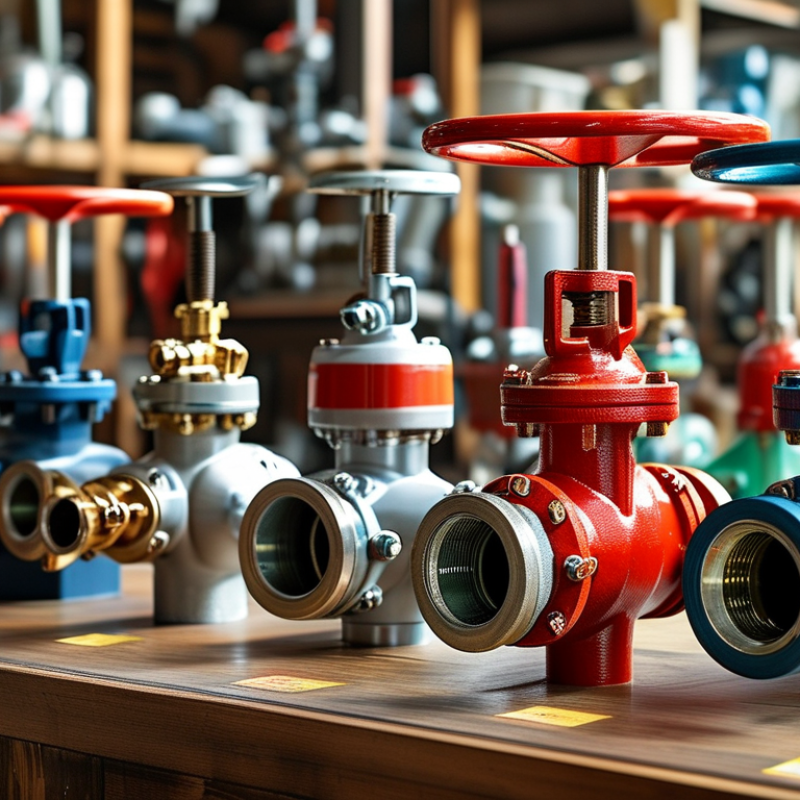
Gas valves control the flow of gas in various applications. Each type offers distinct benefits and drawbacks. For instance, a solenoid valve is often used in automated systems, while a manual valve provides greater control. The choice often reflects the specific needs of a project.
Take time to consider your requirements. Factors include pressure ratings and compatibility with different gas types. Remember, safety should always be a primary concern. An ill-suited gas valve can lead to inefficiencies or hazards. Reflect on your options and make an informed decision.
Understanding Different Types of Gas Valves and Their Applications
Selecting the right gas valve is critical for safety and efficiency. Understanding the different types of gas valves helps simplify the decision-making process. There are several common types, each with specific applications. For instance,
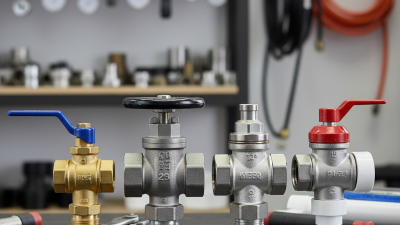
ball valves are ideal for on/off control in residential gas lines. They offer reliability and quick operation. Conversely,
globe valves are better suited for regulating flow, making them preferred in commercial settings.
Each type of valve has unique advantages and limitations. Some users may overlook the importance of
pressure ratings. Incorrect pressure ratings can lead to serious safety hazards. It's essential to consider the medium passing through the valve as well. Natural gas and propane have different requirements, often affecting valve selection.
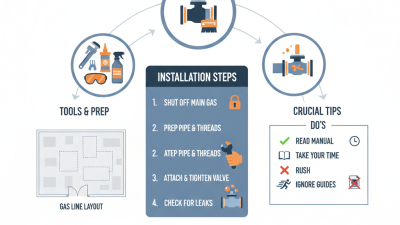
Installation is another key factor to reflect upon. Many users struggle with proper fitting and alignment during installation. This can compromise safety and valve performance. Regular maintenance is also necessary to ensure long-lasting operation. Without proper care, even the
best gas valves can fail. Choosing wisely requires understanding both your needs and the specific features of each valve.
Key Factors to Consider in Selecting Gas Valve Size and Capacity
Selecting the appropriate gas valve size and capacity is crucial for efficiency and safety. One key factor to consider is the flow rate. The American Society of Mechanical Engineers (ASME) suggests calculating the gas flow demand. This will determine the required valve size. Oversized valves can lead to inefficient operation. They may also create safety risks, as excessive gas pressure can cause leaks.
Additionally, it’s essential to evaluate the type of gas being used. Different gases have varying densities and flow characteristics. For example, natural gas has a lower density compared to propane. According to industry reports, this can influence the valve capacity needed for specific applications. You might find that a valve rated for a specific cubic feet per hour is not suitable for your gas type.
Material compatibility is another important consideration. Not all materials withstand gas or temperature variations. Corrosive gases will necessitate more robust materials. A mismatched valve can lead to system failures. According to recent data, nearly 15% of gas failures are attributed to material incompatibility. Awareness of these details can prevent costly mistakes. Thoughtful selection based on these factors ensures a reliable gas flow system.
Evaluating Pressure and Temperature Ratings for Optimal Performance
When selecting a gas valve, understanding pressure and temperature ratings is crucial. These ratings ensure that the valve performs optimally under specific conditions. Pressure ratings indicate the maximum pressure the valve can handle. For instance, a valve rated for 150 psi can withstand significant levels of pressure without failing. Choosing a valve with an appropriate pressure rating will prevent leaks and potential hazards.
Temperature ratings are equally important. They define the maximum and minimum temperatures a valve can operate under. A valve with a temperature rating of -20°F to 150°F is suitable for many applications. However, if your environment varies widely in temperature, you may need to reassess your options. It’s essential to analyze both ratings simultaneously. Focusing solely on one can lead to unexpected issues.
A common misstep is not considering environmental factors. For example, extreme temperatures can affect material integrity. If you're unsure, consult with a professional. This will help ensure your choices reflect real-world conditions rather than assumptions. Evaluating both pressure and temperature carefully enhances reliability and safety in gas applications.
How to Choose the Right Gas Valve for Your Needs?
| Valve Type |
Pressure Rating (psi) |
Temperature Rating (°F) |
Material |
Applications |
| Ball Valve |
150 |
300 |
Brass |
Natural Gas, Water |
| Gate Valve |
300 |
450 |
Stainless Steel |
Oil, Gas Distribution |
| Globe Valve |
200 |
450 |
Cast Iron |
Steam, Water Control |
| Check Valve |
250 |
350 |
PVC |
Wastewater, Pumps |
| Pressure Relief Valve |
600 |
400 |
Bronze |
Safety Systems |
Regulatory Standards and Safety Considerations in Gas Valve Selection
When selecting a gas valve, understanding regulatory standards is crucial. Various industries must comply with local and international regulations. These codes ensure safety and efficiency in gas systems. Familiarize yourself with the relevant standards for your specific application. Each type of gas may have different requirements. Ignoring these can lead to significant safety hazards.
Tips: Always check for certifications. Look for valves that meet industry standards. This adds a layer of reliability.
Safety considerations should be a top priority. Evaluating the environment where the valve will be used is essential. High-pressure systems demand robust valves. Corrosive environments may require special materials. Choosing the wrong valve can compromise safety and increase risks.
Tips: Consult with a professional. Their expertise can guide you to an appropriate solution tailored to your needs. Investing time in research pays off later.
Lastly, consider the long-term implications of your choice. A valve that meets your current demands may not suit future needs. Flexibility in design and adaptability to evolving regulations are vital. Reassessing your choices periodically is important to ensure ongoing compliance and safety.
Gas Valve Selection Criteria
This chart illustrates the key criteria for selecting gas valves, including regulatory standards, safety ratings, and application suitability. The data reflects the importance of each criterion based on industry feedback.
Maintenance and Inspection Guidelines for Ensuring Longevity of Gas Valves
Maintaining gas valves is essential for safety and performance. Regular inspections can prevent malfunction and extend the lifespan of these critical components. According to the American Society of Mechanical Engineers (ASME), nearly 30% of gas valve failures stem from neglect in maintenance.
Routine checks should include looking for leaks, corrosion, or unusual wear. Engage certified personnel to conduct these inspections. They can identify early signs of failure, ensuring proper functioning. Each inspection should document the valve's condition. This documentation can guide future maintenance and highlight recurring issues.
Tips: Always check for proper sealing. A simple visual inspection can reveal significant problems. Replace worn gaskets immediately to avoid leaks.
Cleaning is equally important. Accumulations of dirt can obstruct valve operation. Utilizing non-corrosive cleaning agents can help maintain valve integrity. The National Fire Protection Association (NFPA) emphasizes these practices to mitigate risks.
Tips: Keep the environment clean. Dust and grime are silent threats. Implement a cleaning schedule every month.
Over time, components may require replacement. Ignoring this can lead to increased costs and safety hazards. Periodic reviews of valve performance against industry standards can ensure compliance. This proactive approach reduces long-term risks and enhances operational reliability.