How to Choose a Natural Gas Shut Off Valve
Choosing the right natural gas shut off valve is a practical safety decision, not merely a plumbing purchase. The correct valve must match the gas type, pipe size, connection method, pressure rating, and appliance requirements. A small mismatch can cause leaks, poor performance, or difficult maintenance later.
Experienced technicians usually inspect the installation area before selecting a valve. They check whether the handle remains accessible after the appliance is moved into place. They also look for corrosion, heat exposure, vibration, and damaged threads. A quarter-turn ball valve is often convenient because its position is easy to identify. However, convenience does not replace certification or professional judgment. Always compare the valve with the appliance manual and local installation requirements.
Details matter. A brass body may resist ordinary household conditions, while outdoor installations need stronger protection. Threaded fittings require compatible sealant, applied carefully and approved for gas service. Never rely on appearance alone. Some inexpensive valves feel solid but lack clear markings or reliable documentation. That mistake is easy to make.
I have seen installations where the valve worked, yet access was nearly impossible. That is not a good result. A qualified gas professional should verify the connection, test for leaks with approved methods, and confirm safe operation. This guide explains the key features, materials, ratings, and installation considerations that help homeowners make a more informed choice. It also acknowledges an uncomfortable truth: product labels can be confusing, so careful verification remains essential.
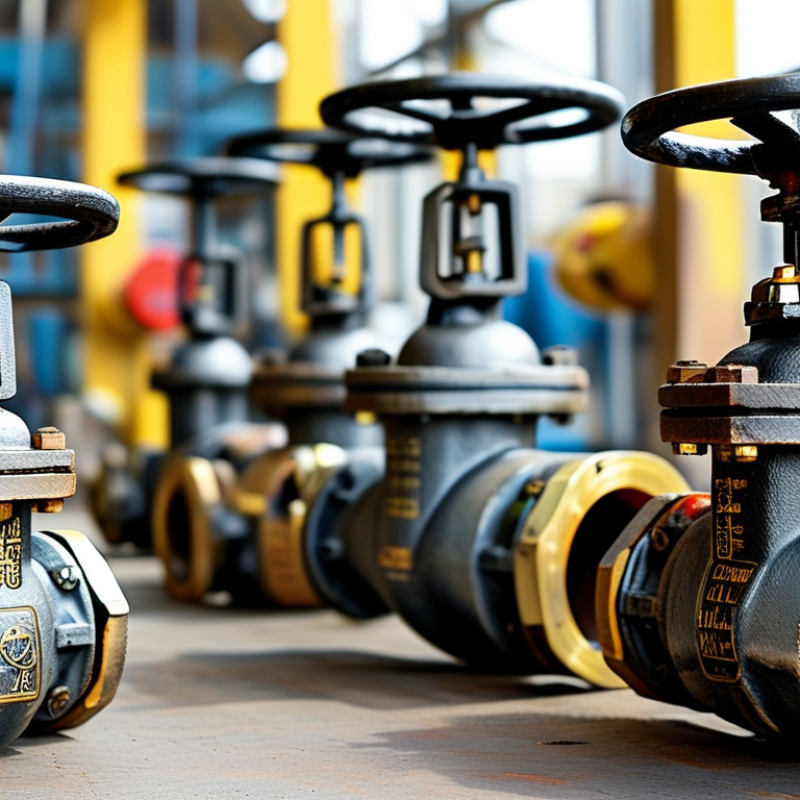
Gas Shut-Off Valve Basics and Operating Principles
How to Choose a Natural Gas Shut Off Valve
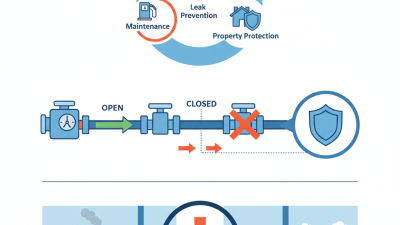
A natural gas shut-off valve controls fuel flow by opening, restricting, or stopping the passage through a pipe. Most manual models use a rotating ball or plug inside the valve body. When the opening lines up with the pipe, gas can pass. Turn it across the pipe, and the passage closes. Simple in principle.
The handle position is useful, but it is not proof of safe isolation. I have seen worn handles point the wrong way. Check the valve marking, pipe direction, and actual installation condition. Choose a valve with the correct pipe size, pressure rating, temperature range, and connection type. Its body material must suit natural gas service and resist corrosion. Certified components and professional installation matter more than a low purchase price.
A good selection also considers access. The handle should remain visible and easy to reach, without tools or stored items blocking it. Avoid forcing a stiff valve; internal damage can make operation unreliable. During routine inspection, look for corrosion, damaged threads, loose fittings, or a gas odor. Never test leaks with a flame. Use an approved detection method, or contact a qualified gas technician. If gas is suspected, leave the area and avoid switches or ignition sources. My own checklist is not flawless, so I verify the manufacturer’s technical data and local installation requirements before approving a valve.
How to Choose a Natural Gas Shut-Off Valve
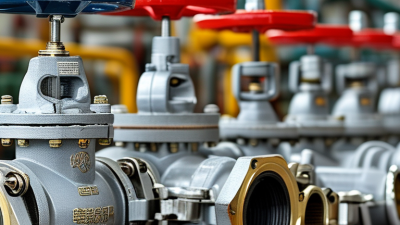
Valve selection depends on the required isolation function, operating method, and whether the valve must regulate flow. Ball valves are commonly used for fast quarter-turn isolation, gate valves are intended mainly for fully open or fully closed service, and globe valves are better suited to throttling.
Operating principle: A shut-off valve stops gas by moving a closure element into the flow path. For safe service, select a valve rated for the gas, pressure, temperature, pipe connection, and applicable installation requirements. Do not use a basic isolation valve for regulation unless the manufacturer specifically permits it.
Key Factors for Matching a Valve to Your Gas System
Choosing a natural gas shutoff valve begins with the gas system, not the valve cabinet.
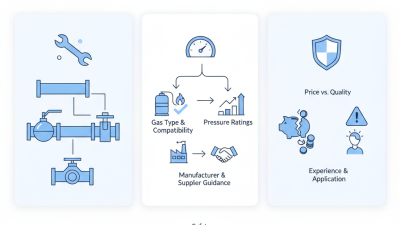
Confirm the fuel type, supply pressure, pipe material, connection size, and appliance load. A valve rated for the wrong pressure can restrict flow or fail under stress. Measure carefully.
The International Energy Agency’s Global Methane Tracker 2024 estimates that fossil fuel operations released about 120 million tonnes of methane in 2023. Many leaks are preventable.
A correctly sized, accessible shutoff valve supports faster isolation during maintenance or an emergency. Select a valve tested for gas service, with compatible seals, temperature ratings, and certification recognized in your region. Do not assume a larger valve provides better performance. Oversizing may complicate installation and increase cost.
Installation details matter as much as specifications. Keep the handle visible and reachable, especially near furnaces, meters, and cooking appliances.
Check whether the valve requires a wrench or supports manual operation. Match threaded, flared, or press connections to the existing piping; forced adapters create weak points.
NFPA 54, the National Fuel Gas Code, provides widely used guidance for fuel-gas piping and shutoff arrangements. Local requirements may differ.
A practical inspection should include leak testing after installation, using approved methods rather than an open flame.
The U.S. Energy Information Administration reports that natural gas remains a major residential heating fuel, so ordinary household valves deserve serious attention. A polished selection can still be wrong if the actual pressure was never verified. When records are incomplete, consult a licensed gas professional before replacement.
Choosing the Right Valve Material, Size, and Connection Type
How to Choose a Natural Gas Shut Off Valve
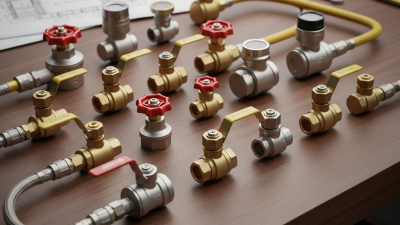
Choosing the right valve material starts with the gas system’s environment. Brass works well in many indoor installations, while stainless steel may better resist moisture and corrosion. Steel valves can suit demanding applications when properly coated and approved. Check the valve’s gas rating, pressure range, temperature range, and certification before installation. A water valve may look similar, but it is not a safe substitute. Materials matter.
Size should match the pipe’s nominal size, not merely its outside diameter. A valve that is too small can restrict flow and increase pressure loss. An oversized valve may cost more without improving performance. Measure carefully at the connection point. In practice, this is where rushed replacements often go wrong. A perfect-looking fit can still be incorrect.
Connection type must match the existing piping and installation method. Common options include threaded, flared, compression, and welded connections. Threaded connections need compatible sealing methods and proper alignment. Flared connections require clean, undamaged flare surfaces. Never force mismatched threads together. Select a valve marked for natural gas and suitable for the system pressure. Local codes may also require an accessible shutoff location and approved installation procedures. A qualified gas professional should verify the selection, especially when pipe size, fuel type, or operating pressure is uncertain. Some assumptions seem harmless. They are not.
Safety Standards, Certification, and Installation Requirements
Choosing a natural gas shutoff valve begins with the installation environment, not the handle shape. The U.S. Energy Information Administration’s 2020 Residential Energy Consumption Survey reported that natural gas heated 48% of American homes. That widespread use makes correct valve selection a practical safety issue.
Look for compliance with applicable standards, such as ASME B16.44 for manually operated metallic gas valves or ANSI Z21.15/CSA 4.18 for appliance gas shutoff valves. Certification should come from an accredited third-party organization. A certificate is not enough. The valve must also match the gas type, pressure rating, pipe size, temperature range, and connection method. Fit matters more. Local codes, NFPA 54, and the International Fuel Gas Code may impose additional requirements.
Installation requires an accessible valve near each appliance, with clearance for a complete quarter-turn. In many U.S. jurisdictions, the appliance shutoff must be within six feet, but local enforcement can differ. The installer should protect threads, support the piping, orient the handle visibly, and perform a documented leak test. Never bury the valve behind permanent finishes. Do not guess. A valve can be certified and still be unsuitable for a confined space or excessive pressure. Field checks should confirm the certification marking, flow direction, torque, and absence of bubbles during approved leak testing. NFPA fire data repeatedly shows that failures in residential systems can produce serious consequences; careful installation remains more reliable than appearance-based selection.