Top 10 Seismic Shut Off Valve Types for Global Buyers?
Choosing a seismic shut off valve is not a simple catalogue exercise. Gas type, pipe diameter, installation position, sensing method, maintenance access, and local seismic exposure all affect performance. A valve beside a boiler room may need different protection from one installed near an underground service entry.
The U.S. Geological Survey’s 2023 National Seismic Hazard Model indicates that nearly 75% of the United States could experience damaging earthquake shaking over the next century. FEMA also identifies post-earthquake fire as a major secondary hazard, especially where gas lines are damaged. These findings explain why buyers increasingly examine automatic gas isolation, excess-flow protection, remote monitoring, and manual reset features together.
Earthquake engineer Dr. Lucy Jones has repeatedly emphasized, “We cannot stop earthquakes, but we can reduce their consequences.” Her point matters here. A seismic shut off valve cannot repair a broken pipe or guarantee zero leakage. It can, however, interrupt gas flow when dangerous motion is detected.
This guide compares ten seismic shut off valve types for global buyers. The review considers activation accuracy, compatibility, certification evidence, installation complexity, reset procedures, and service conditions. Standards matter. So does field experience.
Some product claims remain difficult to compare.
Buyers should question vague phrases such as “earthquake-proof” or “universal.” The strongest choice is not always the most expensive valve. It is the model whose sensing response, pressure rating, materials, and inspection requirements match the actual site. Reports from USGS, FEMA, and regional building authorities provide useful context, but final selection still requires qualified engineering review and local code verification.
Seismic Valve Fundamentals: ASCE 7 Seismic Design Categories and NFPA 58
Seismic shutoff valve selection starts with the building’s seismic demand, not the valve catalog. ASCE 7-22 assigns Seismic Design Categories A through F using mapped hazard, site soil, and Risk Category. Higher categories require stronger restraint, anchorage, and equipment detailing. The 2023 USGS National Seismic Hazard Model reports that nearly 75% of the United States could experience damaging earthquake shaking, affecting about 143 million people. Global buyers should therefore review local hazard maps, not rely on country-level assumptions.
NFPA 58 focuses on LP-Gas installation safety, including emergency shutoff arrangements, excess-flow protection, hydrostatic relief, and accessible controls. A seismic valve may be a ball, butterfly, slam-shut, excess-flow, or remotely actuated design. However, NFPA 58 does not automatically make one valve suitable for every seismic application. The authority having jurisdiction may impose additional requirements. Check the latest adopted edition.
A practical review should verify flow capacity, pressure rating, fail-safe position, manual reset, sensor sensitivity, and anchorage details. Installation matters greatly. A certified valve can still fail when rigid piping transfers excessive movement into its body. That is an uncomfortable but common gap. Field inspection reports often reveal poor supports, blocked access, or untested sensors. Buyers should request test records, material certificates, seismic qualification evidence, and maintenance intervals. The best specification is not always the most complex one. Sometimes, it is simply the one installers can understand and inspect correctly.
Top 10 Seismic Shut-Off Valve Types for Global Buyers
Seismic valve selection should consider ASCE 7 Seismic Design Categories A–F, equipment anchorage, automatic gas shutoff requirements, system pressure, fluid compatibility, and the applicable edition of NFPA 58 for LP-Gas installations.
The screening index compares fail-safe closure, remote operation, seismic installation practicality, reset capability, and suitability for emergency isolation on a 0–100 scale. It is an engineering comparison index, not an ASCE 7 or NFPA 58 code rating. Final selection requires project-specific seismic calculations, valve sizing, inspection requirements, and approval by the authority having jurisdiction.
Activation Methods: Inertial, Electronic, and Remote Signals with 0.1–1.0 g Settings
Global buyers often compare ten seismic shutoff valve types, but activation method usually determines real performance. Inertial valves use a mechanical mass that trips when ground motion reaches a calibrated threshold. They need no external power. That simplicity helps in dusty utility rooms, yet orientation and mounting quality matter. A valve set at 0.1 g may react to weaker motion, while 1.0 g reduces nuisance closure. The correct point depends on building risk, equipment sensitivity, and the local seismic design basis. Not the largest number.
Electronic seismic valves use accelerometers, control logic, and a powered actuator. They can record events, provide alarms, and support adjustable settings from 0.1 to 1.0 g. Battery backup deserves close inspection. A screen showing “ready” means little if the actuator cannot complete its stroke. Remote-signal valves close after commands from a building controller, emergency panel, or approved monitoring system. They suit large sites where one sensor must protect several gas or process lines. Signal loss and fail-safe behavior must be tested, not assumed.
Across the ten types, buyers should verify valve size, pressure rating, reset method, manual override, and inspection requirements. Ask for independent test records and clear installation instructions. A 0.2 g setting may sound precise, but sensor tolerance, wall vibration, and poor anchoring can distort results. I would challenge any selection based only on price or a datasheet. Field conditions often expose missing details. Commission the system with simulated trips, then document who can reset it and how quickly. Local engineers should confirm compatibility with applicable codes and the protected system.
Global Compliance: EN 14382, API 14C, CSA B149.1, and NFPA 58 Requirements
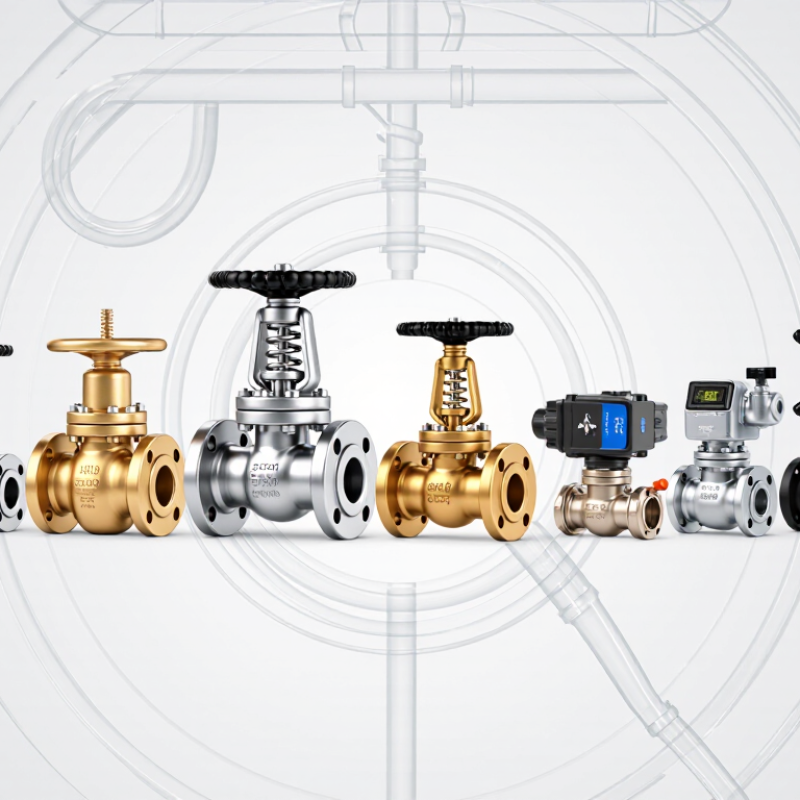
Choosing among the top ten seismic shut-off valve types requires more than comparing pipe sizes. Common options include ball, butterfly, plug, diaphragm, piston, solenoid, slam-shut, excess-flow, remotely actuated, and integrated gas-train valves. Each design behaves differently during an earthquake. Manual-reset valves can improve restart control, while automatic-reset models may restore gas flow too early. That detail is often underestimated.
Compliance depends on the installation, fuel, pressure, and local authority. EN 14382 addresses automatic gas safety shut-off devices and their pressure-related performance. API 14C supports safety analysis for offshore production systems, where hazardous-area equipment and emergency shutdown logic require careful coordination. CSA B149.1 governs natural gas and propane installations in Canada, including placement, venting, and connection practices. NFPA 58 focuses on liquefied petroleum gas systems, separation distances, protection, and emergency controls. None of these standards should be treated as a universal seismic certificate. Requirements can overlap, but they are not interchangeable.
Tips: Confirm the valve’s listed pressure range, gas compatibility, reset method, seismic sensor location, and inspection schedule. Ask for test reports and installation instructions, not only a compliance statement. A useful field check includes pipe alignment, support spacing, wiring protection, and accessible manual reset points. Small installation errors matter. In practice, even a correctly certified valve can fail its purpose when mounted where falling equipment can strike it. Local code officials should review the final arrangement before commissioning.