Choosing a residential water heater is more complicated than comparing tank prices online. The right model must match household size, fuel availability, plumbing layout, climate, and daily routines. A morning shower, a dishwasher cycle, and a full bathtub can create very different demand patterns. The U.S. Department of Energy reports that water heating represents nearly 20% of household energy use, making efficiency a practical purchasing concern. ENERGY STAR also states that certified heat pump water heaters can use about 70% less energy than standard electric models.
These ten buying tips will examine capacity, recovery rate, first-hour rating, Uniform Energy Factor, installation space, and operating costs. They will also consider venting, noise, maintenance, warranty coverage, and local installation requirements. The Air-Conditioning, Heating, and Refrigeration Institute emphasizes certified performance data, while ENERGY STAR provides independent efficiency criteria for qualifying products. Those sources are useful, but real homes remain different. A basement with a narrow doorway may reject a technically excellent unit. A compact apartment may not tolerate compressor noise.
Measure the installation area before trusting a product page. Check the doorway, drain location, electrical panel, gas line, and service clearance. Ask a qualified professional to verify safety requirements and local codes. A spreadsheet can estimate annual savings, but it cannot predict every family’s hot-water habits. That limitation matters. The cheapest purchase may become expensive after difficult installation, frequent repairs, or poor recovery during peak demand. These tips aim to make the decision clearer, more evidence-based, and better suited to the home—not merely attractive on paper.
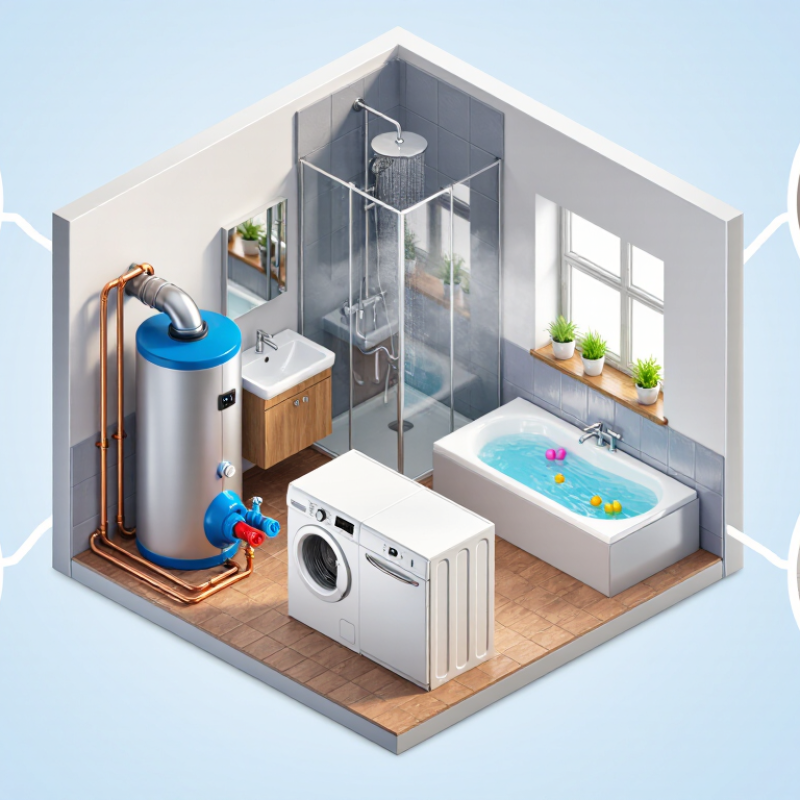
Choosing a residential water heater begins with measuring your household’s hot water demand. Count daily showers, baths, laundry loads, dishwasher cycles, and kitchen use. A ten-minute shower can consume 20 to 25 gallons when the fixture flows at two gallons per minute. A full bath may require even more.
Peak demand matters more than daily totals. Imagine four people showering between 6:30 and 8:00 a.m. If each shower uses 20 gallons, the heater must supply about 80 gallons during one busy period. Add a dishwasher cycle, and a small storage tank may struggle. Tank size, heating speed, and temperature settings should match this pattern, not an average day. Timing changes everything.
My first estimate was too low because I ignored simultaneous use. That mistake is common. Review one week of real water habits, including weekend use. Check the heater’s recovery rating and usable capacity in its technical documentation. Incoming water temperature also affects performance; colder supply water requires more heating energy. Homes with teenagers, frequent guests, large soaking tubs, or long showers need extra capacity. A qualified plumbing professional can verify flow rates, piping conditions, ventilation, and local installation requirements before purchase. Growth matters too. A heater that fits two adults today may feel inadequate after a new child or converted living space.
10 Residential Water Heater Buying Tips: Choose Between Tank and Tankless Water Heaters
Choosing between a tank and tankless water heater starts with your household’s daily rhythm. A storage tank holds heated water, so showers usually feel steady and familiar. It also needs floor space and loses some heat while waiting. A tankless unit heats water only when a tap opens. That can reduce standby energy loss, but its flow rate has limits. Two showers and a washing machine may exceed its capacity.
Count your peak demand, not your average use. Check the unit’s recovery rate, gallons-per-minute rating, and required inlet temperature. A family of four may need a larger tank or multiple tankless units. Fuel matters too. Electric tankless models can require major electrical upgrades. Gas systems may need new venting and professional inspection. Local building codes should guide that decision.
Measure the installation area before buying. A compact tankless unit may still need filters, valves, and service clearance. Hard water can damage internal components, so planned flushing matters. Tank heaters also need periodic pressure-valve checks and sediment removal. I once focused on purchase price and underestimated installation work. That mistake changed the real budget. Compare equipment, labor, maintenance, and expected energy use together. Ask a qualified installer to calculate demand rather than guessing from household size. The cheapest quote is not always the safest fit.
| Tip | Buying Factor | Storage-Tank Water Heater | Tankless Water Heater | What to Check Before Buying |
|---|---|---|---|---|
| 1 | Determine household demand |
Best for predictable demand Common residential sizes range from about 20 to 80 gallons. Water is heated and stored for later use. |
Best for continuous supply Heats water as it flows, but output is limited by the unit's flow rate and temperature-rise capacity. |
Count simultaneous showers, faucets, appliances, and peak-use periods. Size the system for the busiest hour rather than average daily use. |
| 2 | Compare first-hour capacity | First-hour rating combines the stored hot water with the heater's recovery ability. It is useful for estimating peak-period performance. | There is no stored reserve. Performance depends mainly on the maximum flow rate and the incoming-water temperature. | Compare the home's estimated peak-hour demand with the product's first-hour rating or flow-and-temperature-rise specifications. |
| 3 | Review energy efficiency | Has standby heat loss because energy is used to keep the tank hot, even when no water is being used. | Generally avoids tank standby losses and can be more efficient in homes with low or intermittent hot-water demand. | Compare the Uniform Energy Factor, annual energy use, and estimated operating cost on the current energy label. |
| 4 | Check installation requirements | Usually has simpler replacement requirements when the new unit uses the same energy source and location. | May require larger gas lines, upgraded venting, a dedicated electrical circuit, or additional electrical capacity. | Have a qualified professional inspect gas, electrical, venting, drainage, water connections, and local code requirements. |
| 5 | Evaluate available space | Requires floor space and adequate clearance. The tank must also be placed where its weight and possible leakage can be managed. | Usually occupies less floor space and can be wall-mounted, although required service clearances must still be maintained. | Measure the installation area, access path, service clearances, vent route, and location of water, gas, and electrical connections. |
| 6 | Consider hot-water flow rate | Can supply several fixtures at once until the stored hot water is depleted; recovery then takes time. | May provide continuous hot water, but simultaneous use can reduce temperature or require multiple units. | Add the flow rates of fixtures likely to operate at the same time. A typical shower may use about 1.5 to 2.5 gallons per minute, depending on the fixture. |
| 7 | Account for climate and incoming-water temperature | Stored water is preheated, so short periods of high demand are often easier to handle. | Colder incoming water requires more heating power and may reduce the flow rate available at the desired temperature. | Use local groundwater temperature and the required temperature rise when checking a tankless unit's capacity. |
| 8 | Compare purchase and installation cost | Often has a lower initial equipment and installation cost, particularly when replacing a similar existing unit. | Equipment and installation may cost more because of venting, gas, electrical, condensate, or plumbing modifications. | Request an itemized quote that includes permits, removal, upgrades, accessories, labor, and any required structural or utility work. |
| 9 | Plan for maintenance and service life | Periodic tank flushing can reduce sediment accumulation. Anode-rod inspection and replacement may help limit corrosion. | Periodic flushing may be needed to remove mineral scale, especially in hard-water areas. Filters and screens may also require cleaning. | Follow the maintenance schedule, check water hardness, and confirm that replacement parts and qualified service are available locally. |
| 10 | Assess safety and backup needs | Includes pressure-relief protection and should be installed with proper drainage and leak protection. It can provide stored hot water during brief demand spikes. | Does not store a large reserve and many models require electricity for controls or ignition, even when the primary fuel is gas. | Consider leak detection, a drain pan where appropriate, freeze protection, power-outage behavior, emergency shutoffs, and household priorities. |
Choosing a water heater starts with comparing fuel types, not advertised tank size. Electric resistance models usually cost less to install and suit homes without gas service. However, their monthly bills can rise quickly in areas with high electricity rates. Gas units often heat water faster, but they need safe venting and regular inspection. A licensed professional should check combustion air and local installation requirements.
Heat pump water heaters use electricity differently. They move heat from surrounding air instead of creating it directly. This can reduce operating costs, especially in warm utility rooms. They may cost more initially and need enough space for airflow. Cold basements can reduce performance. Solar systems can lower energy use, but cloudy seasons and backup equipment affect their value.
Efficiency labels help, but real costs depend on household habits. Look at the uniform energy factor, tank capacity, recovery rate, and estimated yearly energy use. Then compare those figures with your local fuel prices. A smaller household may save with a compact tank, while a large family might need faster recovery. Oversizing wastes energy through standby heat loss.
I once focused too much on purchase price. That was a mistake. Installation, maintenance, water hardness, and future energy rates also matter. Ask for written estimates from qualified installers. Include labor, venting, electrical upgrades, permits, and disposal fees. Check warranty terms carefully. A low-cost unit can become expensive when repairs and energy waste accumulate.
Choosing the right water heater starts with household demand, not tank size alone. Count showers, laundry loads, and dishwashing during your busiest hour. A small tank may run out quickly, while an oversized unit wastes space and energy. Tankless models also need adequate flow and recovery capacity. Small details matter. Ask a qualified installer to calculate peak-hour demand for your home.
Installation requirements can change the purchase completely. Check available fuel, electrical capacity, venting, floor space, and service access before ordering. A gas unit may require approved vent materials and proper combustion air. An electric unit may need a dedicated circuit and correctly sized wiring. Place the heater on a suitable drain pan where leakage could damage flooring. Local building rules may require seismic restraints, expansion control, or specific discharge-pipe routing. These requirements are easy to miss during online shopping.
Safety features deserve careful inspection. Look for a temperature-and-pressure relief valve, clear operating instructions, durable insulation, and protective temperature controls. A mixing valve can reduce scalding risk, especially in homes with children or older adults. Keep the thermostat setting practical rather than excessively hot. Installation should follow local codes and the manufacturer’s instructions, with final connections checked by a licensed professional when required.
I have seen buyers focus on purchase price and overlook installation complexity. That choice often creates delays, extra labor, or unsafe modifications. Availability is not the same as suitability.
When comparing residential water heaters, read the warranty before admiring recovery speed or sleek controls. A longer coverage period does not always mean better protection. Check whether it covers the tank, parts, labor, or only selected failures. Some warranties require professional installation, registration, or documented maintenance. Keep invoices and service dates in a folder. That small habit can prevent an expensive argument later.
Maintenance needs shape real ownership costs. Ask how often the tank should be flushed, whether the anode rod needs inspection, and which safety devices require testing. In a hard-water home, sediment may collect like sand at the bottom. It can cause rumbling, reduce efficiency, and shorten tank life. A qualified technician can test the temperature-pressure relief valve and inspect connections. Never treat the manual as optional. It is easy to overestimate DIY confidence.
Long-term value includes energy use, repair access, installation quality, and expected service life. A cheaper unit may cost more if replacement parts are difficult to find or upkeep is demanding. Compare estimated operating costs over ten years, not just the purchase price. I once focused too heavily on capacity and overlooked clearance for future servicing. That mistake could have made a routine repair slower and more expensive. Leave room around the heater, confirm drain access, and request written maintenance recommendations. Ask where the shutoff and service records will be kept.
© Copyright 2025 | LittleFirefighter.com | All Rights Reserved | 1EZ Creative: Orange County Web Design

Fusce ut ipsum tincidunt, porta nisl sollicitudin, vulputate nunc. Cras commodo leo ac nunc convallis ets efficitur.

12345 North Main Street,
New York, NY 555555
1.800.555.6789
sale@vibrotools.com