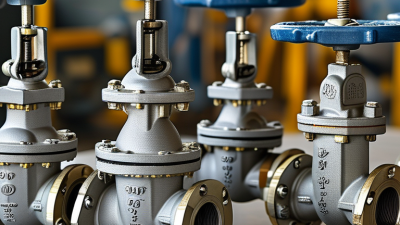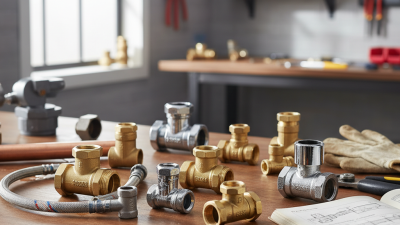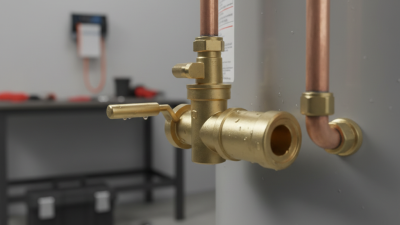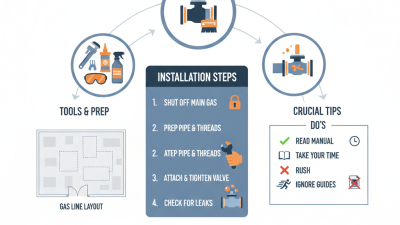
Choosing the 2026 best gas valve for water heater is not about picking the most expensive part. It is about matching the valve precisely to the heater, fuel type, control system, and installation requirements.
A gas valve controls fuel flow and helps regulate burner operation. A small mismatch can cause delayed ignition, unstable heating, or repeated shutdowns. Look for the correct gas type, inlet and outlet sizes, BTU range, thermocouple connection, temperature control, and manufacturer compatibility. The model number matters more than appearance. Two valves may look almost identical, yet use different pressure settings.
Richard Trethewey, a respected plumbing and heating expert, offers a practical reminder: “When in doubt, call a professional.” That advice deserves attention here. Gas appliances require careful testing, not guesswork. A qualified technician can check pressure with a manometer, inspect the burner assembly, and verify safe combustion after installation.
Real-world details matter. Dust near the burner, a weak thermocouple, or a corroded connection may imitate a failed gas valve. Replacing the valve alone may not solve the problem. This is where many buying guides oversimplify the decision.
The strongest choice combines verified compatibility, dependable temperature control, durable construction, and accessible technical support. Certification is important. So is warranty coverage. Still, no product is perfect, and online listings can contain errors. Confirm every specification against the heater’s data plate and installation manual before purchase. Safety should guide the decision, not advertising claims.
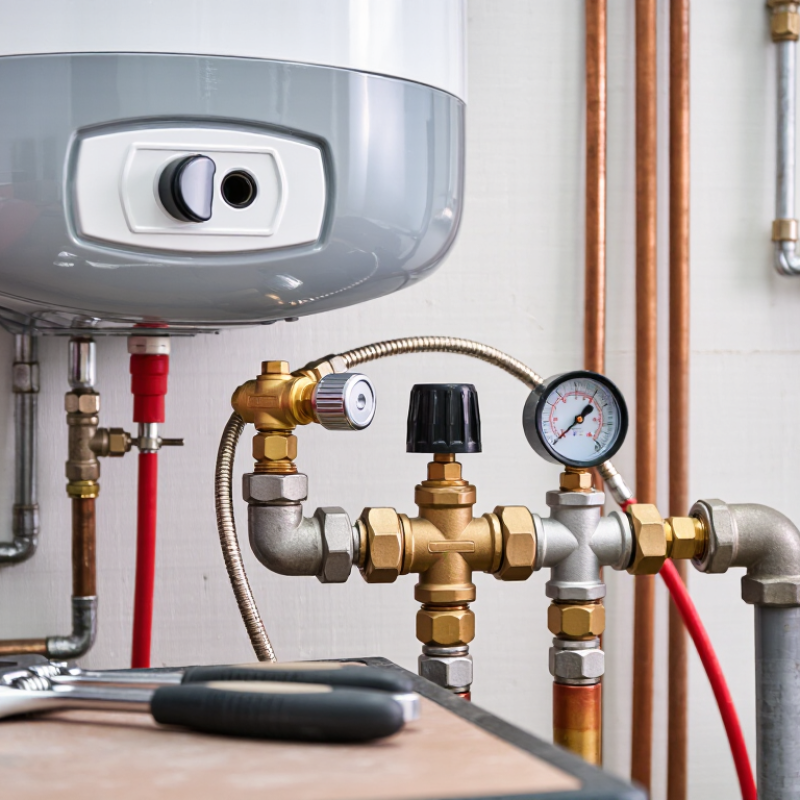
A gas valve is the control center of a gas water heater. It regulates fuel flow, responds to the thermostat, and stops gas when unsafe conditions appear. When the burner ignites, the valve must deliver steady pressure, not a sudden surge. Small errors can cause delayed ignition, weak heating, or repeated shutdowns.
The U.S. Department of Energy reports that water heating uses about 18% of household energy. That makes valve performance important for operating cost and safety. A suitable 2026 replacement should match the heater’s gas type, inlet size, pressure range, ignition system, and temperature controls. Check the installation manual carefully. A valve that fits physically may still be electrically or mechanically wrong.
Compatibility matters most.
Industry safety guidance, including NFPA 54, emphasizes approved components, leak testing, and proper combustion setup. Professional technicians also inspect the thermocouple, burner flame, venting, and gas pressure before blaming the valve. A yellow flame or soot pattern may indicate combustion trouble, not a defective control. This is where many rushed replacements fail. I would not choose a valve by price alone; certification, documented specifications, and qualified installation deserve greater weight. The U.S. Consumer Product Safety Commission continues to warn about carbon monoxide hazards from fuel-burning appliances, so testing should include safe vent operation and carbon monoxide detection.
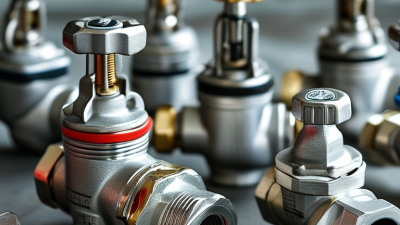
Choosing the best gas valve starts with compatibility, not price. Fit comes first. Check the heater’s model, gas type, inlet size, outlet connection, and maximum BTU rating. A valve designed for natural gas may not suit propane service. Do not guess.
The U.S. Energy Information Administration’s 2020 Residential Energy Consumption Survey reports that water heating uses about 18% of household energy. A poorly matched valve can waste fuel and create unstable heating.
Safety controls deserve equal attention. Look for certified temperature regulation, automatic gas shutoff, flame-failure protection, and pressure limits that match the appliance manual. NFPA 54 provides widely used guidance for fuel-gas installation and appliance safety. Local codes may add requirements. Confirm them before purchase.
A qualified technician should test inlet pressure, burner operation, and leak tightness after installation. Soap testing is useful, but it is not a complete performance check.
Durability also matters in damp utility rooms. Choose corrosion-resistant construction and clearly marked adjustment controls. Digital or self-diagnostic features can help, but extra electronics are not always better.
My checklist is not flawless; older heaters may have unusual fittings or discontinued controls. Photograph the existing connections before ordering. Compare every specification with the manufacturer’s service documentation.
The cheapest valve is rarely the lowest-cost choice when downtime, wasted gas, and repeat labor are included.
Choosing the best gas valve for a water heater depends on the system, ignition method, and control needs. A standard atmospheric heater often uses a combination gas control valve with a standing pilot. It regulates gas flow and responds to the thermocouple or thermopile. This design is simple and serviceable. Fit matters.
Electronic-ignition heaters need a valve matched to their ignition module. These systems usually remove the permanent pilot flame and ignite gas only during a heating cycle. A millivolt valve may suit systems powered by a thermopile, while a powered electronic valve needs correct voltage and signal compatibility. Mixing these types can cause failed ignition, delayed heating, or unsafe operation. Check the heater’s data plate first.
High-efficiency and modulating water heaters may require a proportional gas valve. It adjusts gas flow gradually instead of switching fully on or off. This can improve temperature stability and reduce cycling, especially in condensing or tankless systems. However, replacement requires accurate pressure settings and combustion testing. Small errors matter.
During professional inspections, technicians compare inlet pressure, outlet pressure, connection size, fuel type, and safety controls. A valve that physically fits may still be electrically or mechanically wrong. I have seen specifications overlooked because the replacement looked nearly identical. That shortcut deserves reflection. Gas components should be installed and tested by a qualified professional, following local codes and the heater manufacturer’s instructions.
Choosing the best gas valve for a water heater starts with compatibility, not price. In field inspections, I check the heater’s gas type, BTU input, connection size, and ignition system first. A valve designed for natural gas must not serve a propane appliance unless the manufacturer-approved conversion process allows it. The valve must also match the heater’s control wiring and temperature sensor. Small differences can cause poor heating, shutdowns, or unsafe combustion.
Safety deserves careful attention. Look for certified components, precise temperature control, flame-failure protection, and reliable pressure regulation. The valve should fit the heater without forced adapters or altered connections. I also inspect the installation area for corrosion, damaged wiring, and moisture. A new valve cannot correct a blocked vent or weak burner. That assumption is easy to make, and often wrong.
Tips: Photograph the existing connections before removal. Compare every marking with the heater manual. Have a qualified technician verify gas pressure and leak-test the system after installation. Long-term value means more than a low purchase price; it includes stable operation, available replacement parts, and a clear warranty. I prefer a proven valve with straightforward diagnostics, although even experienced installers can miss a worn connector. Careful testing still matters.
| Valve Selection Type | Typical Water Heater Application | Common Gas Connection | Typical Inlet Gas Pressure | Temperature Control | Safety Functions to Verify | Compatibility Requirements | Expected Service Value | Best Choice For | Overall Value |
|---|---|---|---|---|---|---|---|---|---|
| Standing-Pilot Thermostatic Gas Valve | Conventional atmospheric-vent storage water heaters with a continuously burning pilot flame. | Usually 1/2-inch or 3/4-inch NPT; confirm the existing pipe size and orientation. | Often designed for approximately 5 to 14 inches water column on natural gas, depending on the heater specification. | Mechanical thermostat with a manual temperature dial; commonly marked in degrees Fahrenheit. | Thermocouple or thermopile flame supervision, pilot safety shutoff, temperature limit protection, and approved combustion shutoff design. | Must match fuel type, input rating, control style, pilot assembly, thermocouple or thermopile connection, outlet position, and manufacturer-approved replacement requirements. | Simple controls and widely available service parts; fewer electronic components can reduce repair complexity. | Older standard-efficiency heaters where the original valve is obsolete but the tank remains serviceable. | High for simple replacement |
| Intermittent-Ignition Gas Valve | Storage water heaters that ignite the burner only when heat is required and use an electronic ignition sequence. | Commonly 1/2-inch NPT, but the connection, inlet direction, and outlet position must be checked. | Frequently specified for approximately 4 to 14 inches water column on natural gas; actual limits vary by heater. | Electronic control with a temperature sensor or thermistor; some systems use integrated diagnostic status codes. | Flame sensing, ignition trial limits, automatic gas shutoff, blocked-flue or pressure monitoring where specified, and high-temperature cutoff. | Requires matching ignition module, wiring harness, flame sensor, temperature sensor, burner assembly, fuel type, and control protocol. | Can improve ignition consistency and reduce pilot gas use, but electronic components require exact part matching. | Modern electronic-ignition heaters and replacements where the original control system is still supported. | High when system-matched |
| Natural-Gas Configuration | Water heaters connected to a building natural-gas supply. | Thread size varies by heater; the gas line must use approved fittings and a listed flexible connector where permitted. | Residential natural-gas appliances commonly operate near 3.5 inches water column at the manifold, but the heater data plate controls. | Depends on the original heater design; do not substitute a propane-calibrated control. | Correct flame supervision, pressure regulation, temperature limiting, and compatibility with the approved burner orifice. | Fuel designation must be natural gas; verify inlet pressure, manifold pressure, BTU input, orifice size, and certification markings. | Efficient and economical only when the valve is calibrated for the appliance and supply pressure. | Homes supplied by utility natural gas. | High when correctly calibrated |
| Propane-Gas Configuration | Water heaters supplied by liquefied petroleum gas from a regulated propane system. | Connection size may match natural-gas versions, but the internal calibration and burner setup are different. | Residential propane appliances commonly operate near 10 to 11 inches water column at the manifold, subject to the heater specification. | Must be calibrated for propane; a natural-gas valve is not a safe substitute. | Correct fuel-specific regulation, flame supervision, temperature limiting, and approved conversion components where conversion is allowed. | Fuel designation, regulator setting, burner orifice, input rating, and conversion instructions must all match the heater. | Reliable when installed with the correct fuel configuration; incorrect conversion can create serious combustion hazards. | Buildings using propane cylinders or an on-site propane tank. | High only with exact fuel match |
| Integrated Temperature-and-Pressure Control | Gas valves that combine gas regulation and water-temperature control in one appliance-specific assembly. | Usually uses a threaded gas inlet and a dedicated burner outlet; layout varies significantly. | Must remain within the inlet and manifold pressure range printed on the heater documentation. | Built-in thermostat, sensor, and high-limit protection; some units include adjustable temperature settings. | High-limit cutoff, automatic gas shutoff, flame failure response, temperature sensing, and approved venting or combustion safeguards. | Exact model family, sensor type, wiring, pilot or igniter assembly, mounting position, and BTU input must match. | Convenient because fewer separate control components are required, but a failed integrated assembly can cost more to replace. | Appliance-specific repairs where the original integrated valve is available. | High for OEM-equivalent repair |
| Electronic Gas Valve with Diagnostic Feedback | Newer water heaters using electronic temperature sensing and control-board communication. | Varies by appliance; electrical connectors and gas-port orientation are as important as thread size. | Must meet the exact natural-gas or propane pressure range specified by the heater manufacturer. | Electronic sensor input, often with status indicators or fault-code communication. | Flame rectification or sensor feedback, ignition sequencing, high-limit protection, fault lockout, and automatic shutoff. | Requires compatible control board, sensor resistance range, wiring polarity, ignition system, and software or diagnostic protocol where applicable. | Provides useful troubleshooting information, but compatibility errors can cause nuisance lockouts or unsafe operation. | High-efficiency or electronically controlled water heaters with documented replacement procedures. | High for supported systems |
| Universal-Looking Replacement Valve | Aftermarket products advertised as fitting multiple heater models. | May use common NPT sizes, but physical thread compatibility alone is not sufficient. | Advertised pressure range must match the appliance data plate and measured supply conditions. | May be mechanical or electronic; control behavior is not automatically interchangeable. | Certification, flame supervision, temperature limit, and heater-specific safety functions must be independently verified. | Check fuel type, BTU rating, venting category, pilot assembly, sensor connections, mounting dimensions, and certification listing. | Potentially lower purchase cost, but incorrect fit or calibration can increase installation time and safety risk. | Only when an approved cross-reference confirms complete compatibility. | Moderate; verify carefully |
Choosing the best gas valve for a water heater starts with installation checks, not the lowest price. A valve must match the heater’s model, gas type, inlet size, pressure range, and control system. The U.S. Department of Energy estimates water heating uses about 18% of household energy, so a faulty valve can waste noticeable fuel. Check the rating plate before ordering. A similar-looking replacement may still be unsafe.
A qualified technician should test inlet and outlet pressure with a calibrated manometer. They should inspect the thermocouple, burner flame, wiring, vent draft, and gas connections. NFPA 54, the National Fuel Gas Code, emphasizes proper installation, leak testing, and combustion safety. Never reuse a damaged connector or force a valve into place. I have seen rushed repairs create more problems than the original fault. Some checks feel excessive. They are not.
Tips: Shut off gas and electricity before inspection. Apply approved leak-detection solution to every joint, then watch for bubbles. Do not use an open flame. Clean dust from the burner area and keep the air intake clear. Record the pressure reading and installation date. The valve should open smoothly and close completely. If the flame is yellow, unstable, or unusually noisy, stop using the heater and request professional testing. Review the manufacturer’s service instructions, even when the replacement appears identical.
Compare typical residential gas-pressure requirements before selecting a replacement valve. Always match the water heater rating plate and installation manual; actual values vary by model and fuel type.
© Copyright 2025 | LittleFirefighter.com | All Rights Reserved | 1EZ Creative: Orange County Web Design

Fusce ut ipsum tincidunt, porta nisl sollicitudin, vulputate nunc. Cras commodo leo ac nunc convallis ets efficitur.

12345 North Main Street,
New York, NY 555555
1.800.555.6789
sale@vibrotools.com