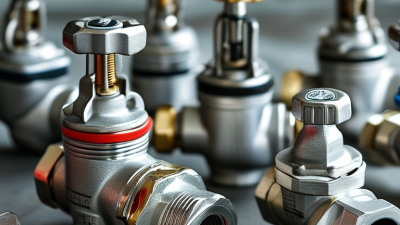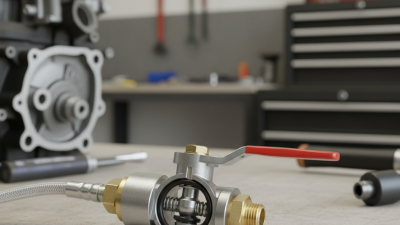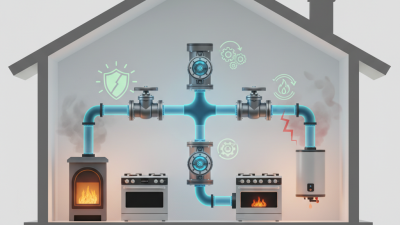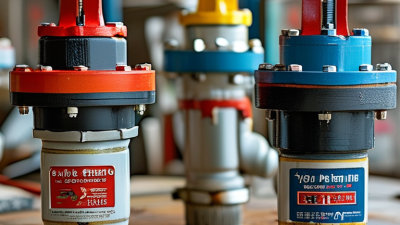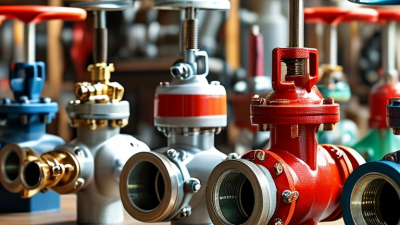
Choosing a gas valve is not just a matter of matching pipe size. The connection method affects access, maintenance, sealing, and how easily a valve can be replaced. For buyers comparing threaded, flanged, welded, and compression-end options, the installation environment matters as much as the product label.
Industry outlooks offer useful context. The U.S. Energy Information Administration’s International Energy Outlook 2023 examines natural gas use across long-term energy scenarios. The International Energy Agency’s Gas 2024 report discusses changing supply and demand conditions. Neither report selects a valve for a specific site. They do, however, underline why buyers should consider dependable operation, serviceability, and the system around the valve. Small details matter.
This guide introduces common gas valve installation types and the trade-offs buyers should assess before specifying equipment. A threaded valve may suit compact connections, while flanged designs can simplify removal in suitable piping systems. Welded connections may support permanent installations, but they demand careful planning and qualified work. Compression fittings have their own limits and should not be treated as universal substitutes. That distinction is easy to miss.
Before comparing prices, verify the gas type, pressure rating, pipe material, operating temperature, and required shutoff function. Check the manufacturer’s documentation and applicable local technical requirements with a qualified professional. A catalog description alone cannot confirm suitability. Even experienced buyers can overlook access for future inspection; it happens. The sections ahead provide a practical starting point, not a substitute for project-specific engineering review.
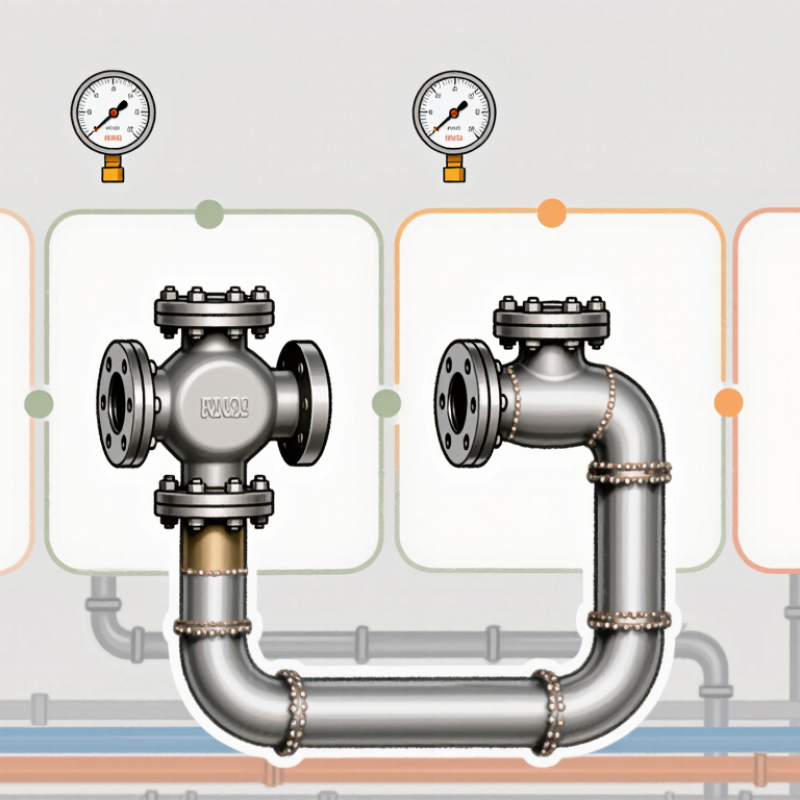
A gas valve controls when fuel enters an appliance and, in some designs, how much flows. Its job is not simply to open or close. A modulating valve can adjust flow to match heat demand, while a shutoff valve stops supply during servicing or a fault. Small differences matter. The valve body carries gas through an inlet and outlet, while an internal seat and seal help limit leakage when closed. A stem, spring, or solenoid may move the internal parts, depending on the design. Not every valve contains the same components.
Buyers should match the valve to the appliance, fuel type, operating pressure, flow capacity, connection, and temperature range. The markings on the valve and appliance documentation are useful checks, but they can be easy to misread. That deserves a second look. Some systems use an electrical signal to operate a solenoid; others rely on mechanical controls. A correct-looking fitting alone does not confirm compatibility. Installation and testing should be handled by a qualified gas professional, who can verify operation and check for leaks using approved methods. Even a well-specified valve can fail if seals are damaged or the wrong part is selected. I would not treat “fits” as proof of safety.

2026 Top Gas Valve Installation Types for Buyers
Common Gas Valve Connection and Installation Types
Gas valve connections affect maintenance access, leak testing, and compatibility with the pipe. Threaded ends are common on smaller lines; installers must match thread form, size, and sealing method. ISO 7-1 specifies pressure-tight pipe threads, while ASME B16.5 provides flange dimensions and pressure classes. These references help buyers check fit, not choose a valve without considering service conditions.
Flanged valves allow removal without cutting the pipe, which can help where inspections or replacement are expected. ASME B16.34 includes pressure-temperature rating tables for valves, so verify the rating against the actual operating conditions. Welded connections can provide a compact, permanent joint, but they require qualified fabrication and careful inspection. Compression fittings and unions are useful where disassembly matters. Small detail. Confirm the valve ends match the pipe material and system design.
A connection can look right and still be unsuitable. For example, a threaded valve may not match a pipe’s thread standard, and a flange needs compatible dimensions, facing, and gasket selection. Review the valve documentation and applicable piping specifications before purchase. Leave room to turn a wrench and remove the valve later. That access is easy to overlook on a crowded run. Installation and leak checks should be handled by qualified personnel under the relevant local requirements.
Gas valve installation choices should match the pipework, service conditions, and space available—not just the valve size. Threaded connections are common on smaller lines and can fit tight utility rooms. They still need compatible pipe threads and careful alignment; forcing a misaligned joint can damage the connection. A union-style arrangement may make later servicing easier, especially where a valve sits between fixed pipe sections.
Flanged valves suit larger pipework and locations where removal for inspection matters. Their mating faces need to sit evenly, with suitable gaskets and properly tightened fasteners. Allow room for tools and for the valve handle to move fully. In a crowded plant room, that clearance is easy to overlook. Welded connections can suit fixed industrial systems, but installation depends on approved procedures, qualified personnel, and access for inspection.
Site conditions shape the practical choice. Outdoor runs may need protection from weather and corrosion, while indoor systems need clear access to shutoff points. Check the gas type, pressure range, temperature, flow direction, and connection materials against the system design. A valve that fits the pipe may still be unsuitable for its operating conditions. Drawings are useful, but field measurements can reveal offsets, narrow access, or supports that were missed. That detail gets missed. Have a qualified gas professional verify the selection and installation against the equipment instructions and applicable requirements.
| Installation type | How it connects | Typical system and site fit | Practical advantages | Buyer and installation considerations |
|---|---|---|---|---|
| Threaded ends | Valve ends screw onto matching threaded pipe or fittings. | Common on smaller-diameter piping in building services, equipment connections, and accessible utility areas. | Compact connection; can be assembled with standard piping tools; convenient where welding equipment is impractical. | Confirm thread form, size, pressure and gas-service ratings, and the specified sealing method. Avoid applying excessive torque, and ensure the joint remains accessible where required. |
| Flanged ends | Matching pipe and valve flanges are bolted together with a suitable gasket. | Often selected for larger piping, plant rooms, process systems, and locations where a valve may need removal for maintenance. | Bolted joints are detachable; inspection and valve replacement are generally more straightforward than with permanent welded joints. | Match flange dimensions, facing, pressure class, gasket material, and bolt requirements. Allow room for bolt access and valve removal; tighten bolts in the specified sequence. |
| Butt-weld ends | Prepared valve ends are aligned and welded directly to matching pipe ends. | Suitable for compatible metal piping in process or industrial systems where a permanent, compact connection is preferred. | Creates a permanent joint with no flange bolting space; can reduce the number of detachable joints in a line. | Requires qualified welding procedures and inspection appropriate to the system. Consider heat effects on valve internals and whether the valve can be isolated or removed for future service. |
| Socket-weld ends | Pipe is inserted into a valve socket and joined by a fillet weld. | Used on compatible smaller-bore metal process piping where a welded connection is needed and butt-welding preparation is not suitable. | Provides a compact, permanent connection and can simplify alignment on smaller pipe sizes. | Check the valve and piping specifications for socket dimensions and welding requirements. Installation needs qualified welding; plan for inspection and future maintenance before choosing a permanent joint. |
| Compression or tube-fitting ends | A fitting uses a ferrule or similar mechanism to grip and seal compatible tubing. | Typically used for small-bore gas tubing, instrument lines, and equipment connections where the valve is rated for that service. | Can be assembled without welding and is useful where compact tubing connections are needed. | Match the fitting to the tubing material, outside diameter, wall thickness, and gas-service rating. Follow the fitting maker’s assembly instructions; do not assume a tubing fitting is suitable for building gas piping. |
| Union or union-style connections | A removable union joins compatible valve and pipe or fitting ends. | Useful at accessible equipment connections or locations where a component may need to be disconnected without rotating the connected pipework. | Supports disassembly for servicing or replacement while limiting disturbance to adjacent piping. | Confirm the union’s materials, sealing surfaces, pressure rating, and gas-service suitability. Keep the connection accessible and use the specified sealing components. |
Selection note: Connection type alone does not establish suitability. Verify the valve’s gas-service approval, pressure and temperature ratings, materials, flow direction where applicable, and compatibility with the piping system. Installation must follow the valve instructions and applicable local codes and be performed by qualified personnel.
Gas valve installation choices should match the appliance, piping, and local safety rules—not just the available space. Threaded valves are common on smaller pipe runs, while flanged connections may suit larger systems or equipment designed for them. Some appliances use specific valve assemblies. The connection style alone does not prove compatibility.
Check the valve’s fuel-gas rating, pressure range, pipe size, flow capacity, and approved installation position against the equipment documents. Local codes may set requirements for shutoff access, valve location, materials, and inspection. These rules differ by location, so a qualified gas professional should confirm the current requirements before installation. Small details matter. A valve that fits the pipe can still be unsuitable for the appliance.
After installation, a qualified professional should verify the connection and perform the required leak and operating checks using approved methods. Never rely on smell alone; some systems may include odorant, but detection can be unreliable. Keep the shutoff reachable, and avoid enclosing it behind fixed panels or stored items. Even a tidy installation can hide a poor access decision. That is worth reconsidering during the final inspection.
Buyers comparing installation types for 2026 projects should start with pipe layout, service access, and expected maintenance—not price alone. Threaded connections suit smaller lines and compact equipment, where crews need straightforward assembly and future removal. But thread condition, sealant choice, and vibration matter; a rushed joint can become a slow leak.
Flanged valves are easier to inspect or replace, especially near pumps, meters, and equipment rooms. They need bolt clearance and aligned mating faces, so tight spaces may make them awkward. Welded ends can reduce joint count on permanent piping, yet replacement takes more planning and skilled work. Not always ideal.
For smaller tubing, compression fittings can save space and avoid hot work, but they depend on compatible tubing, correct insertion, and proper tightening. Buyers should compare pressure and temperature ratings, gas compatibility, pipe material, tool access, and project requirements. Ask installers how each option will be tested and serviced. Future access matters. A drawing may look clean, while a wrench cannot reach the valve after installation. Confirm the valve-end connection with the piping specification and qualified installer before procurement.
How buyers compare connection types when planning valve replacement and maintenance.
Threaded and flanged connections can generally be disconnected without cutting the pipe; welded connections require cutting for removal. Compression connections may be disconnectable, but the tubing and fitting must be inspected before reuse. Actual suitability depends on the valve design, piping system, applicable codes, and qualified installation guidance.
© Copyright 2025 | LittleFirefighter.com | All Rights Reserved | 1EZ Creative: Orange County Web Design

Fusce ut ipsum tincidunt, porta nisl sollicitudin, vulputate nunc. Cras commodo leo ac nunc convallis ets efficitur.

12345 North Main Street,
New York, NY 555555
1.800.555.6789
sale@vibrotools.com