What Is the Best Earthquake Gas Shut Off Valve in 2026?

Choosing the best earthquake gas shut off valve in 2026 is not just a brand comparison. It is a safety decision involving your home’s gas line, appliance load, and local installation requirements. Seismologist Dr. Lucy Jones is widely associated with the reminder, “Earthquakes don’t kill people; buildings do.” Her work focuses on earthquake risk, not valve installation, so that distinction matters. A valve still needs to be selected and fitted by a qualified professional.

A strong comparison starts with the details. Is the device designed for your gas type and pipe size? Does its listed capacity match the home’s demand? Where will it be mounted, and can it be inspected without moving a water heater or squeezing behind a cabinet? Check the product’s certification, warranty, installation instructions, and reset procedure. Ask the installer how the shutoff will be tested and what to do after it activates. Small details count.

No valve is perfect. A model that suits one house may be wrong for another. And a feature list cannot replace correct installation. This guide compares common valve types, practical selection criteria, and questions worth asking before you buy. It also separates documented specifications from marketing claims. That distinction can be easy to miss. Use the comparison as a starting point, then confirm the right choice with a licensed gas professional familiar with your home’s setup.
What Is the Best Earthquake Gas Shut Off Valve in 2026?

How Earthquake Gas Shut-Off Valves Detect Seismic Motion

An earthquake gas shut-off valve responds to ground motion, not to the smell of gas. In many mechanical models, a weighted ball or pendulum rests in a calibrated position. Strong shaking can move it out of place and trigger a mechanism that closes the gas passage. Some newer designs use electronic motion sensors instead. The exact sensing method depends on the valve.

It is a small mechanism with a serious job. The valve must be matched to the gas line and installed in the correct orientation, or its response may not be reliable. Thresholds also vary: ordinary vibration should not necessarily trigger a shutdown, while severe shaking should. That balance is harder to judge than it sounds. A seismic valve generally does not detect a damaged appliance or a leak by itself, and it may need inspection after activation. Because designs differ, homeowners should follow the manufacturer’s instructions and use a qualified gas professional for installation and reset. Even a well-designed valve is only one layer of protection; it cannot guarantee that every earthquake-related gas hazard will be prevented.

How Automatic Gas Shut-Off Valves Stop Gas Flow

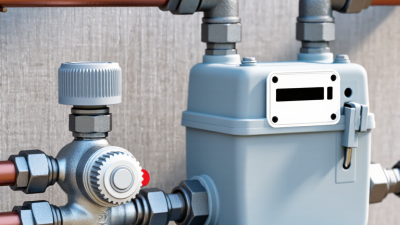
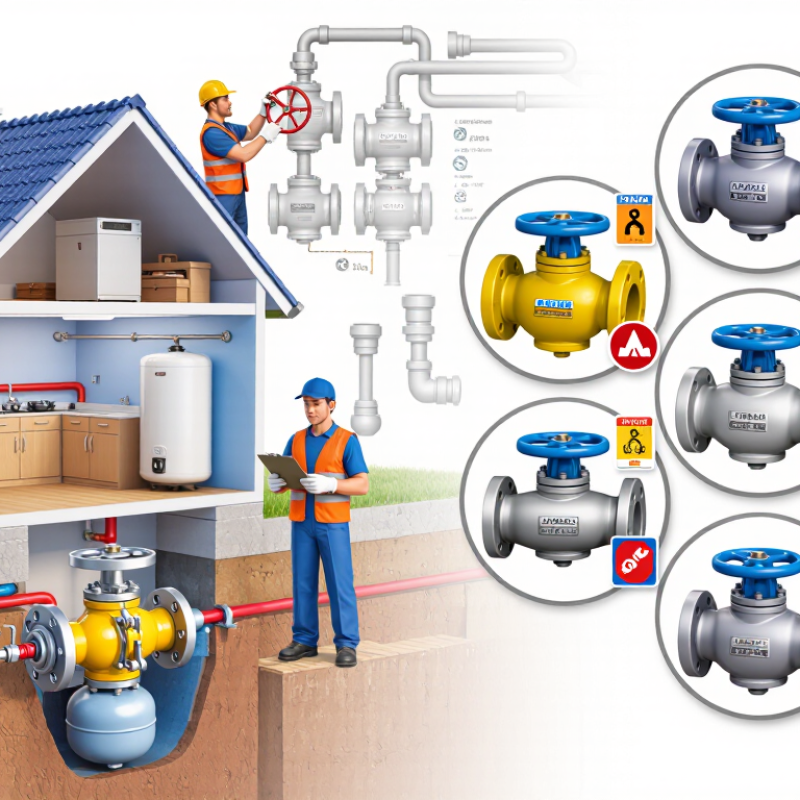
An automatic earthquake gas shut-off valve is designed to stop gas flowing when its sensor detects strong ground motion. In many systems, a weighted mechanism or electronic sensor triggers a valve to close. The valve sits in the gas line, often near the meter, and blocks the supply downstream. A click may be audible, but not always. The exact trigger and reset method depend on the valve design.

Picture a kitchen range connected to a gas line. If a strong quake shifts the valve mechanism, the closed valve can limit gas reaching the range and other appliances. That matters because damaged pipes or connections may leak after shaking. Still, the valve cannot detect every leak, and it cannot repair a broken pipe. It is one layer of protection, not a guarantee.

Correct sizing and placement matter. A qualified gas professional can check the pipe configuration, appliance demand, and local installation requirements. After activation, do not force the valve open. Follow the manufacturer’s reset instructions, and have the piping checked if damage is suspected. This part is easy to overlook: a valve that closes is useful, but only if it is properly installed and maintained. Regular inspection helps, though the exact schedule varies by model.

Which Valve Types Suit Different Homes and Gas Systems

The right valve depends on the home’s fuel, meter, pipe size, and installation requirements. The U.S. Energy Information Administration’s 2020 Residential Energy Consumption Survey found that natural gas heated about 47% of U.S. homes, while propane heated roughly 5%. That difference matters. A valve must match the gas type and system pressure, not just the pipe diameter.

For utility-connected homes, a seismic shutoff valve typically mounts near the meter and closes when strong shaking triggers its mechanism. A listed model may suit homes with accessible exterior meters, but older layouts can complicate placement. Ask a qualified gas professional to check capacity, orientation, and regulator compatibility. Propane homes need an LP-gas-rated valve. Tank and regulator arrangements vary. One detail is easy to miss.

An excess-flow valve reacts to unusually high gas flow, such as from a damaged line, rather than earthquake motion itself. It can add protection, but it does not replace a seismic valve. A manual quarter-turn valve is simple, yet someone must reach it safely. The USGS estimates roughly 500,000 detectable earthquakes occur worldwide each year; most are too small to feel. Choosing for the actual gas system—not a generic “best” label—is less tidy, but more dependable. NFPA 54 and NFPA 58 cover fuel-gas installation requirements, including system-specific considerations.

How to Compare Valve Safety, Certification, and Compatibility

Choosing an earthquake gas shutoff valve means checking more than its trip mechanism. The USGS 2023 National Seismic Hazard Model found that damaging earthquake shaking could affect areas where more than 75% of the U.S. population lives. FEMA’s 2017 Hazus report estimated annualized U.S. earthquake losses at $6.1 billion. These figures describe broad risk, not the chance a specific home will experience a gas leak.

Check that independent certification specifically covers seismic shutoff performance, not just general gas-valve use. Confirm the valve is rated for your gas type, operating pressure, pipe size, and required flow. A mismatch can restrict fuel to appliances or prevent a sound installation. Small details matter. Ask a qualified gas professional to verify connection type, installation orientation, local code requirements, and whether the meter or regulator setup allows the valve to be fitted safely.

Also compare how each valve activates, resets, and can be inspected. A manual-reset design may require someone to check the area before restoring gas; that is useful, but it is not a guarantee against leaks. Keep appliance instructions nearby, and ask how often the device needs testing. I would not choose by price alone. Compatibility is easy to overlook, especially in older homes with unusual pipe layouts.

What to Check Before Installation and Routine Inspection

Choosing the best earthquake gas shut-off valve in 2026 starts with your home’s actual gas line, not a product ranking. Confirm the pipe size, gas type, flow capacity, and installation position with a qualified professional. Check that the valve is approved for its intended use and compatible with your existing system. A convenient location matters, too. The valve should remain accessible, while avoiding spots where boxes, garden tools, or stored items could block it. Installation requirements vary, so ask your gas utility or a licensed installer what applies to your property.

Tips: Before installation, photograph the meter and nearby piping. Note visible corrosion, cramped access, or old fittings. Share these details with the installer. Don’t force the valve or attempt a test by shaking the device.

Routine inspection can catch obvious problems, but it cannot confirm that a valve will operate correctly during an earthquake. Look for rust, dents, shifted pipe supports, loose-looking connections, or anything covering the device. Keep a simple inspection date and record changes. Follow the manufacturer’s instructions for inspection and testing, and arrange professional service if anything looks damaged or unusual. It’s easy to overlook a valve behind seasonal storage; that small oversight deserves a second look.

What Is the Best Earthquake Gas Shut Off Valve in 2026? - What to Check Before Installation and Routine Inspection
Decision or inspection point What to check Practical guidance When to verify
Best-fit valve type Whether the device is a listed, automatic seismic gas shutoff valve suitable for the building’s gas service and installation location. Choose by documented approval, compatibility, and local requirements—not by a “best” label alone. Mechanical and powered designs may have different installation, reset, and maintenance requirements. Before purchase; confirm with the gas utility or local authority having jurisdiction.
Product listing and local acceptance Permanent markings, installation instructions, applicable certification, and acceptance under local codes or utility rules. Requirements vary by location. Ask the authority having jurisdiction or gas utility which standards and approvals are accepted for the specific installation. Before purchase and permitting.
Pipe size and gas capacity Connection size, gas type, pressure rating, and rated flow or capacity compared with the building’s connected appliances and piping design. The valve must not be selected by pipe size alone. A qualified gas professional should confirm that the device is suitable for the system’s load and will not create an unacceptable pressure drop. During system assessment and before installation.
Installation location and orientation Required mounting position, flow-direction arrow, access for inspection, and clearance from impact, water, corrosion, or other hazards. Install only in the position and location specified by the manufacturer and accepted by the local authority. Keep the valve accessible; do not obstruct the meter or utility equipment. Before installation and during visual inspections.
Who installs it Installer qualifications, permits or inspections required locally, and coordination with the gas utility where applicable. Use a qualified, licensed gas professional where required. Gas piping work can create fire, explosion, and carbon-monoxide hazards if performed incorrectly. Before work begins; retain installation and inspection records.
Automatic shutoff function Whether the device is designed to close automatically in response to seismic motion and what the manufacturer specifies about activation and reset. Activation depends on the device and shaking conditions; no valve can guarantee closure in every earthquake. Do not assume that a valve has operated—or that the gas is safe—without checking the situation. Review during product selection and homeowner handover.
Manual shutoff and reset How to use the separate manual gas shutoff, and the approved procedure for resetting the seismic valve after activation. Learn the procedures from the manufacturer’s instructions and the gas utility. Do not force a valve open or restore gas after a suspected leak or earthquake damage; obtain professional guidance. At handover and whenever occupants or property management change.
Visual condition Visible corrosion, physical damage, loose supports, blocked access, signs of tampering, or changes to nearby piping. Keep the area clear and note visible changes. A visual check does not confirm internal operation or prove that a valve is leak-free. Periodically and after nearby construction, impact, flooding, or an earthquake.
Leak and pressure testing Whether the installation or subsequent work requires a leak test or other checks under local rules and the manufacturer’s instructions. Testing should be performed by a qualified gas professional using an approved method. Never use a flame to check for leaks. After installation, piping work, or suspected damage, as required by local rules.
Routine inspection schedule Inspection and maintenance instructions supplied for the specific device, plus any local code or utility requirements. There is no single inspection interval that applies to every valve and jurisdiction. Follow the product instructions and local requirements; arrange professional inspection if condition or operation is uncertain. Set a documented schedule based on the instructions and local requirements.
After an earthquake or gas odor Gas odor, hissing, damaged piping, or a valve that appears to have closed. If gas is smelled or a leak is suspected, leave the area, avoid flames and electrical switches, and call the gas utility or emergency services from a safe location. Do not re-enter or restore gas until authorities or a qualified professional say it is safe. Immediately after any suspected leak or earthquake-related damage.
Records and household readiness Valve location, model and instructions, installation date, inspection records, and utility or emergency contact details. Keep records accessible to the owner or property manager and make sure occupants know the emergency response steps. Do not rely on the seismic valve as a replacement for an emergency plan. At installation; update after service or a change in occupancy.

Important: Local codes, utility rules, and product instructions govern. This table is general guidance, not a substitute for an on-site assessment by a qualified gas professional.

AVADA IT

Fusce ut ipsum tincidunt, porta nisl sollicitudin, vulputate nunc. Cras commodo leo ac nunc convallis ets efficitur.

RECENT TWEETS

CONTACT US

  • 12345 North Main Street,
    New York, NY 555555

  • 1.800.555.6789

  • sale@vibrotools.com

Go to Top