What Is a Seismic Gas Shut Off Valve?

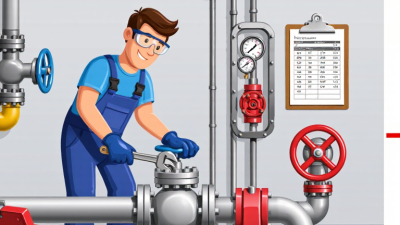
A seismic gas shut off valve is designed to stop gas flow when strong ground movement reaches its trigger level. In a home, that small fitting may sit beside the gas meter, where pipes, a wrench, and a concrete wall make its purpose easy to overlook. It is not a general earthquake detector, and it does not repair damaged pipes. Its job is narrower: interrupt the supply when shaking meets the device’s operating threshold.

Seismologist Dr. Lucy Jones is often quoted as saying, “Earthquakes don’t kill people, buildings do.” Her reminder points to a larger safety issue: damage to household systems can create hazards after shaking stops. A seismic gas shut off valve may reduce one risk, but it cannot guarantee protection from leaks or fire. That distinction matters. Different models use different trigger settings and reset procedures, so homeowners should check the manufacturer’s instructions and consult a qualified gas professional about suitable placement and installation. Local requirements can also differ. A valve that trips may need inspection before service resumes; forcing a reset without checking the system is not a safe shortcut. Not every model behaves alike. This guide explains how the valve senses motion, what happens when it closes, and what to consider before choosing one. The details are practical, but no device replaces careful inspection. That part is easy to forget.
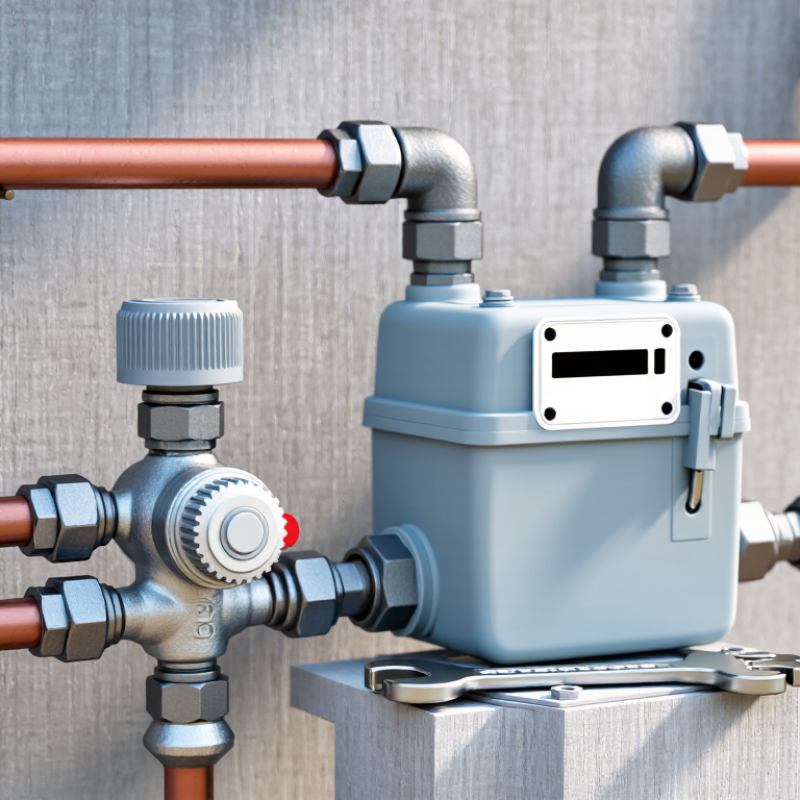
What Is a Seismic Gas Shut Off Valve?

Definition and Purpose of a Seismic Gas Shut-Off Valve

A seismic gas shut-off valve is a safety device that closes a building’s natural gas supply when it detects strong earthquake shaking. It is commonly fitted to the gas service line near the meter, where it can stop incoming gas before it reaches interior piping and appliances. Some models use a mechanical sensor; others use electronic sensing. The exact trigger depends on the device and installation. The purpose is to reduce the amount of gas feeding a leak if shaking damages a pipe, connector, or appliance. That can lower the risk of fire or explosion. The USGS 2023 National Seismic Hazard Model estimates that roughly 75% of the United States could experience damaging earthquake shaking.

It is not a leak detector, and it cannot repair broken pipes. Gas already trapped downstream may still escape after the valve closes. That detail is easy to miss. A qualified gas professional should select and install a valve compatible with the property’s piping and local utility requirements. After activation, the gas system should be checked before service is restored; resetting the valve alone does not confirm that pipes are safe. Some installations also need routine inspection, since corrosion, obstruction, or an unsuitable location can affect operation. The valve is one protective measure, not a substitute for securing appliances or checking for damage.
How the Valve Detects Earthquake Motion

A seismic gas shutoff valve is designed to stop gas flow when strong ground motion is detected. Its sensing method depends on the valve design. In a mechanical model, a weighted pendulum or ball shifts as the valve body moves. If movement crosses a set range, that part releases a latch, allowing the valve to close. Small motion matters. Electronic models use motion sensors, often accelerometers, to measure shaking along one or more directions. Their controls compare movement with preset limits, which may include both strength and duration. Not every tremor.

A kitchen floor might vibrate when a heavy appliance starts, but a properly designed sensor should distinguish ordinary vibration from sustained seismic movement. The exact response depends on the device, its mounting position, and its specified threshold. This is where details count: a crooked installation or an obstructed mechanism can affect operation. After activation, many valves stay closed until someone checks the area and resets them according to the manufacturer’s instructions. A closed valve does not prove that pipes are undamaged, and reopening gas without checking for leaks can be risky. The sensor is a trigger, not a complete inspection. No sensing method is perfect; thresholds balance avoiding nuisance closures against responding to dangerous shaking. A qualified technician can verify correct placement and function.

What Is a Seismic Gas Shut-Off Valve?

A seismic gas shut-off valve is designed to stop gas flow when strong earthquake motion is detected. In many designs, shaking moves an internal mass that triggers the valve mechanism.

The chart shows illustrative ground-acceleration samples in g (where 1 g is standard gravitational acceleration) and an example trigger level. These values are not from a recorded earthquake, and the trigger level is not universal; actual settings and reset procedures depend on the valve design and applicable requirements.

How the Valve Stops Gas Flow

What Is a Seismic Gas Shut Off Valve?

How the Valve Stops Gas Flow

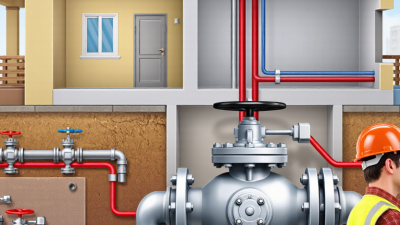
A seismic gas shutoff valve is fitted to a building’s gas line. Inside, a weighted sensor or pendulum responds to strong ground motion. When shaking reaches the device’s set threshold, the sensor releases a latch. The valve then closes the gas passage, often by turning an internal ball valve. That movement matters. It interrupts incoming supply before a damaged pipe can continue feeding a leak. Designs and activation thresholds vary, so not every valve behaves identically.

The USGS HayWired Earthquake Scenario modeled about 1,600 fire ignitions following a major Hayward Fault earthquake. This is a scenario, not a forecast, but it illustrates why limiting fuel supply can matter after severe shaking. A closed valve does not remove gas already trapped in household piping, or fix a broken connection. The line needs inspection before service resumes.

A valve may also activate during severe shaking without a gas leak; that can be inconvenient, but it is part of its protective function. Installation and reset procedures should follow the device instructions and be handled by a qualified gas professional. Small details count. A poorly positioned or untested device may not perform as intended.

Main Valve Types and Components

What Is a Seismic Gas Shut Off Valve? Main Valve Types and Components

A seismic gas shutoff valve closes a building’s gas supply when strong shaking trips its mechanism. The common mechanical type uses a weighted ball or pendulum that shifts during shaking and blocks the gas passage. A second type uses an electronic sensor and an electrically operated valve; it needs a reliable power source and may include battery backup. Neither should be confused with an excess-flow valve, which responds to unusually high gas flow, not earthquake motion. Not interchangeable.

The main parts are the valve body, shutoff element, trigger or sensor, and reset mechanism. Some designs also include a manual lever or status indicator. Location matters: the valve must suit the gas line and be installed where it can be inspected and reset safely.

EERI’s Northridge earthquake reconnaissance report documented more than 100 fires in affected areas, including incidents associated with damaged gas lines. That history explains why shutoff reliability deserves attention, not just the trigger itself. After installation, an owner should know how to confirm closure and arrange a qualified inspection before restoring service. I would not assume every model resets the same way; check its instructions and local utility guidance.

Installation, Resetting, and Maintenance

A seismic gas shut-off valve closes the gas line when strong movement triggers its mechanism. Installation is not a casual do-it-yourself task. A qualified gas professional should confirm the valve suits the piping, gas supply, and local requirements. Placement matters: it is typically installed near the gas meter, where it can detect movement and remain accessible. The installer should check the flow direction, secure the connections, and test for leaks with appropriate equipment. Never rely on a valve that merely looks correctly fitted.

Resetting depends on the valve design. After an earthquake or unexpected shutoff, leave the valve closed if you smell gas, hear hissing, or see damaged piping. Move away and contact the gas utility or emergency services. Otherwise, follow the valve’s specific instructions, which may require aligning a lever or restoring a trigger to its set position. Do not force it. Before restoring gas, have appliances and piping checked if damage is possible. A reset is not proof that the system is safe.

Maintenance is simple, but easy to forget. Keep the area around the valve clear, check periodically for corrosion or loose-looking fittings, and arrange professional inspection when work is done on the gas line. Do not test the valve by shaking or striking it; that can create a hazard. Record its location and reset instructions somewhere household members can find them. Even a well-installed valve cannot protect against every kind of damage, and that limitation deserves attention.

What Is a Seismic Gas Shut Off Valve? - Installation, Resetting, and Maintenance
Topic Practical Information Key Checks Safety Guidance
What it is A seismic gas shut off valve is a device designed to stop gas flow when it detects ground motion that meets its operating threshold. Many models use a mechanical sensing mechanism, but designs and activation criteria vary. Confirm the device type, approved application, and operating instructions for the specific valve. It is an additional safety measure, not a guarantee that a gas leak or earthquake-related damage will be prevented.
How it works When activated, the valve closes the gas line. Some models require a manual reset; the exact operation depends on the model. Check the valve’s markings and instructions to understand its status indicator and reset method. Do not assume gas service is safe merely because the valve has not activated.
Installation location Placement is determined by the valve’s listing, the gas-system layout, and applicable local requirements. The device is commonly installed on the building’s gas piping near the meter or service entry. Verify that the location is accessible for inspection and operation and is suitable for the specific valve. Installation should be performed by a qualified, appropriately licensed gas professional in accordance with local codes and utility requirements.
Installation orientation Some valves must be mounted in a particular orientation or position to operate correctly. Follow the manufacturer’s installation instructions; do not infer the correct orientation from appearance alone. Incorrect installation can affect operation and may create a gas-system hazard.
Before installation The installer should assess pipe size, connection type, gas service conditions, available clearance, and compatibility with the gas system. Confirm that the valve is approved for the intended use and that required permits or inspections are addressed. Do not modify gas piping or install the device as a DIY project unless legally qualified to do so.
After installation The completed work should be checked for correct installation and gas tightness using procedures appropriate to the system and local requirements. Ask the installer to explain the valve’s operating status, reset procedure, and any required inspection records. Never use a flame to check for gas leaks. Leak testing and repairs should be handled by a qualified professional.
After an earthquake If the valve has closed, or if gas piping or appliances may have been damaged, leave the gas off until the system has been assessed. Look for visible damage only from a safe distance. Be alert for the smell of gas or a hissing sound. If you suspect a leak, leave the building, avoid flames and electrical switches, and contact emergency services or the gas utility from a safe location.
Resetting Reset only after the area and gas system have been determined safe, and follow the exact instructions for the installed valve. Check whether the manufacturer requires inspection or a specific reset sequence before restoring service. Do not force the mechanism, repeatedly attempt to reset it, or reopen gas service if damage or a leak is suspected.
If it will not reset A valve that will not reset may have detected a continuing condition, may be damaged, or may require model-specific service. Stop and contact a qualified gas professional or the gas utility for guidance. Do not bypass, dismantle, or tamper with the valve.
Routine maintenance Maintenance requirements vary by model and local rules. Keep the valve visible and accessible, and follow the inspection schedule specified in its documentation. Have a qualified professional check for visible damage, corrosion, loose connections, obstruction, and any required functional checks. Do not lubricate, adjust, or test the device unless the instructions specifically permit it.
Records and documentation Keep the installation details, valve instructions, inspection information, and any service records with household safety documents. Record the model identification and the contact details of the installer or gas utility, if available. Do not rely on a generic reset guide when instructions for the installed valve are available.
Important limitation A seismic shut off valve may not detect every earthquake or prevent damage to downstream piping, appliances, or connections. Include gas piping and appliances in earthquake preparedness and post-event safety checks. Follow local emergency guidance and have suspected damage evaluated before restoring gas service.

AVADA IT

Fusce ut ipsum tincidunt, porta nisl sollicitudin, vulputate nunc. Cras commodo leo ac nunc convallis ets efficitur.

RECENT TWEETS

CONTACT US

  • 12345 North Main Street,
    New York, NY 555555

  • 1.800.555.6789

  • sale@vibrotools.com

Go to Top