
Choosing a little firefighter earthquake valve in 2026 requires more than comparing prices or attractive product photographs. The valve must respond reliably to strong ground movement, protect the gas line, and support safe restoration after inspection. A small device can carry a serious responsibility.
Seismologist Dr. Lucy Jones often emphasizes, “Earthquakes don’t kill people; buildings do.” Her warning gives this decision practical weight. A properly selected little firefighter earthquake valve may help reduce fire risks after a damaged gas connection leaks. However, it is not a complete safety system.
This guide examines the details that matter in real installations. Check the gas type, pipe diameter, flow capacity, shutoff sensitivity, and reset method. Confirm that the product has traceable testing and clear technical documentation. Certification marks deserve careful attention. A vague product page is not enough.
Installation conditions also matter. A valve mounted near a vibrating appliance may experience different forces than one installed on a rigid supply line. The mounting direction, pipe support, access space, and inspection process can influence performance. These details are easy to overlook.
There is no universal choice. Sometimes, the smallest valve is not the best match. Sometimes, a lower-priced model creates higher maintenance costs later. The selection process should involve a qualified gas or fire-protection professional familiar with local requirements. Product specifications can appear convincing, yet field conditions may expose weaknesses. This guide offers a practical framework, while recognizing one uncomfortable truth: earthquake protection depends on the entire system, not one component alone.
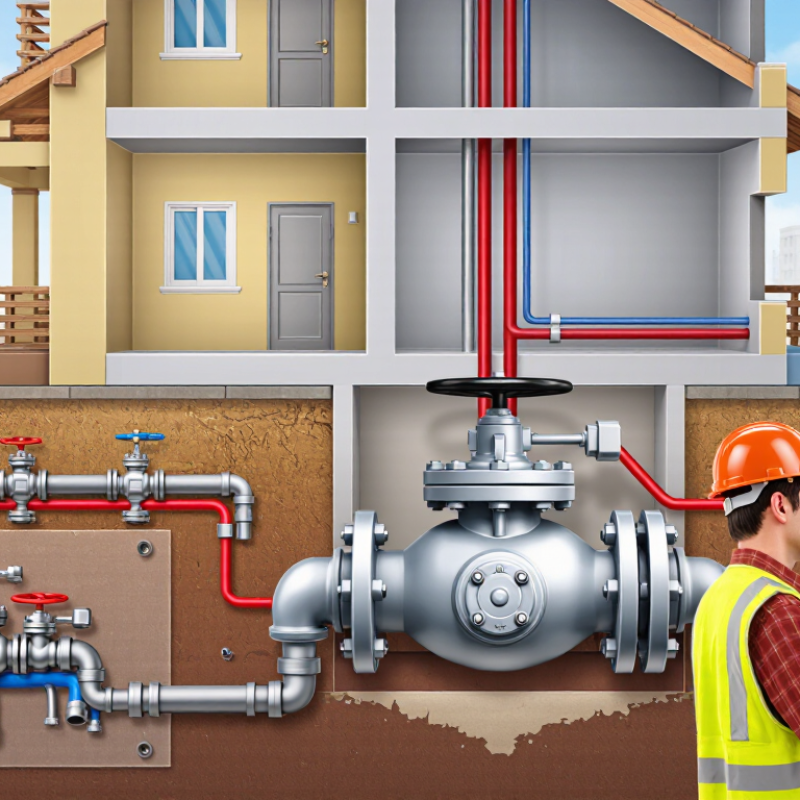
How to Choose a Little Firefighter Earthquake Valve in 2026?
A little firefighter earthquake valve is a compact safety device for gas piping. It detects strong seismic movement and shuts off the gas supply automatically. This action helps reduce fire risks after an earthquake. The valve usually includes a sensing mechanism, a shutoff section, and a manual reset feature. It does not repair damaged pipes. It only limits gas flow when movement reaches its designed trigger level.
Choose a valve that matches your pipe size, gas type, pressure range, and installation position. Check its certification through recognized testing authorities. A qualified gas technician should confirm compatibility before installation. Field inspections often reveal a simple problem: the valve is suitable, but its location is difficult to reach. That weakens safe resetting and regular checking. I would also question unclear product instructions, even when the valve looks well made. Good safety equipment should be easy to inspect, not merely impressive on paper.
Tips: Keep the valve accessible and protect it from impact. Ask for maintenance instructions and testing records. Do not reset it if you smell gas or hear hissing. Leave the area and contact emergency services or a licensed professional. Small valves still require careful installation.
| Data Dimension | Selection Detail | Accurate Technical Information |
|---|---|---|
| Product Definition | What is an earthquake valve? | An earthquake valve is an automatic gas shutoff device designed to stop gas flow when it detects strong ground movement. It is commonly installed in the gas line serving a residential, commercial, or light-industrial building. |
| Primary Safety Function | Gas supply interruption | The valve closes mechanically when seismic motion reaches its preset activation level. This can help reduce the risk of gas leaks, fire, or explosion after an earthquake. |
| Detection Method | Mechanical seismic sensor | Most standalone earthquake gas valves use an internal mechanical inertia mechanism rather than electricity, batteries, software, or an external alarm system. |
| Typical Activation Level | Seismic acceleration | Many products are designed to activate at approximately 0.3 g of ground acceleration, although the exact threshold depends on the certified design and applicable local requirements. Always confirm the marked activation rating before purchase. |
| Reset Method | Manual reset | After activation, the valve normally remains closed until the earthquake has ended, the gas system has been inspected, and the valve is manually reset. It should not be forced open if a gas leak is suspected. |
| Gas Compatibility | Fuel type | Select a valve specifically rated for the fuel in use, such as natural gas or propane vapor. The gas type and pressure rating should match the appliance and building gas system. |
| Nominal Pipe Sizes | Connection size | Common residential sizes include 1/2 inch, 3/4 inch, and 1 inch. The valve size should match the gas piping and required flow; using a smaller valve may restrict appliance performance. |
| Connection Type | Pipe connection | Threaded connections, including commonly used NPT configurations, are widely available. Confirm the thread standard, male or female end arrangement, and local code requirements before installation. |
| Pressure Rating | Maximum working pressure | Residential gas seismic valves are commonly available with ratings such as 5 psi, but the correct value must be taken from the product marking and certification documents. Never exceed the valve's stated pressure limit. |
| Flow Capacity | Gas flow performance | Flow capacity varies with pipe size, pressure drop, gas type, and valve design. Choose a model whose certified capacity is at least equal to the connected appliance or building demand. |
| Installation Position | Placement in the gas system | The device is generally installed in an accessible location near the gas service entry or upstream of the protected gas piping. The installation position must follow the manufacturer's instructions and local gas code. |
| Orientation | Mounting direction | Some seismic valves require a specific vertical or horizontal orientation for the sensing mechanism to work correctly. Check the directional arrow and installation markings before fitting the valve. |
| Electrical Requirement | Power source | A mechanical earthquake valve normally requires no external electrical power. This allows the shutoff function to remain available during a power outage caused by an earthquake. |
| Construction | Valve body and internal parts | Typical construction includes a corrosion-resistant metal body, a shutoff element, seals compatible with fuel gas, and an internal seismic triggering mechanism. Materials must be suitable for the intended gas and pressure. |
| Certification | Safety approval | Look for approval or listing information required in the installation region. In the United States, seismic gas shutoff devices may be evaluated against requirements such as ASCE 25, while local authorities may impose additional rules. |
| Temperature Range | Operating environment | The acceptable temperature range varies by construction and certification. Outdoor installations should use a valve rated for the expected ambient temperature, moisture, corrosion, and weather exposure. |
| Inspection Requirement | Post-earthquake check | If the valve closes, qualified gas personnel should inspect the gas piping, appliances, regulators, and connections for damage or leakage before the system is returned to service. |
| Main Selection Criteria | What to compare in 2026 | Compare gas type, pipe size, connection standard, maximum pressure, flow capacity, activation threshold, mounting orientation, certification, temperature rating, reset procedure, and local code acceptance. |
| Important Limitation | What the valve does not do | An earthquake valve detects seismic motion; it does not directly detect every gas leak, appliance failure, fire, or carbon monoxide condition. Additional gas detection, fire protection, and regular maintenance may be required. |



© Copyright 2025 | LittleFirefighter.com | All Rights Reserved | 1EZ Creative: Orange County Web Design