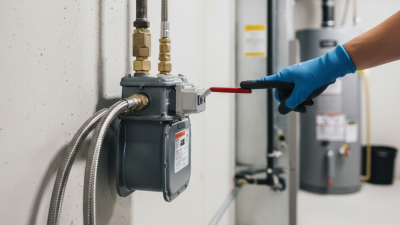
5 Gas Earthquake Valve Buying Tips for Global Buyers
Buying a gas earthquake valve is not simply a matter of matching a pipe size. Global buyers must connect safety performance, local conditions, documentation, and long-term service support. A valve installed beside a furnace, restaurant range, or industrial burner may face vibration, corrosion, limited access, and difficult maintenance. Those details matter before any purchase order is signed.
Seismic gas-safety engineer Daniel Reyes states, “A reliable valve must close decisively during movement, then remain practical to inspect and reset.” His view reflects an important purchasing reality. Buyers should verify the activation threshold, flow capacity, connection standard, body material, and reset procedure. They should also request test reports, installation instructions, traceable quality records, and clear warranty terms. A low price can look attractive until replacement parts cross an ocean.
Check the supplier carefully.
Ask how the gas earthquake valve performs in dusty, humid, coastal, or cold environments. Confirm whether the design suits natural gas, propane, or the intended fuel. Compatibility should never be assumed. Packaging also deserves attention, especially when containers may experience long transit times and rough handling.
No checklist is perfect. I have seen specifications appear complete while omitting reset access or installation orientation. That small omission can delay recovery after an earthquake. This guide presents five practical buying tips for global buyers. They focus on performance evidence, application fit, supplier reliability, certification review, and after-sales support. The goal is not merely to purchase a valve. It is to choose dependable protection that remains understandable when pressure, time, and information are limited.
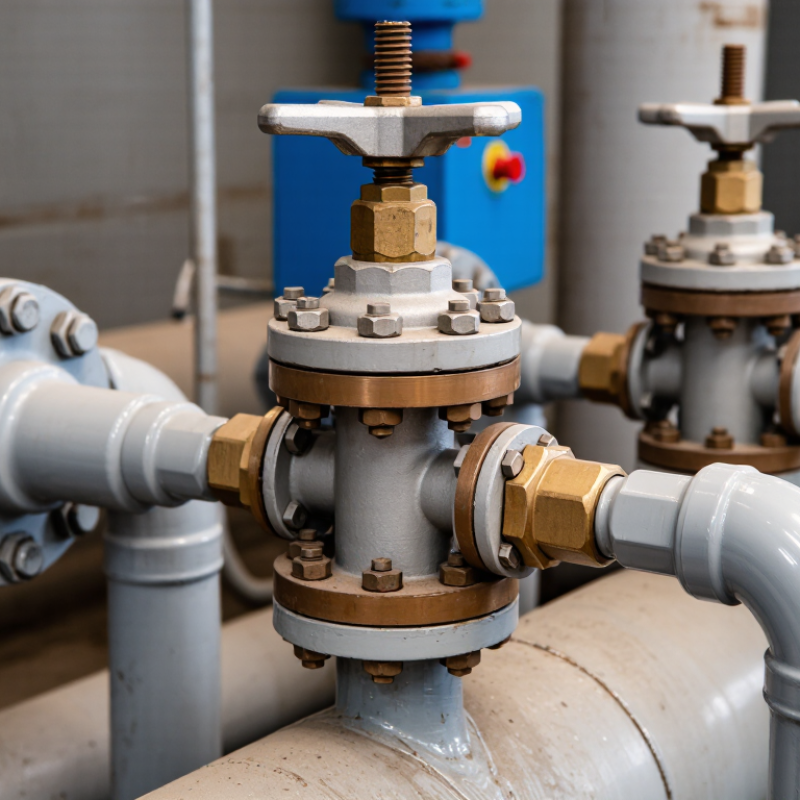
Understanding Gas Earthquake Valves and Their Safety Function
Understanding Gas Earthquake Valves and Their Safety Function
A gas earthquake valve automatically stops gas flow when strong ground movement is detected. Its purpose is simple: reduce the chance of leaks, fires, and further property damage. The valve usually contains a mechanical sensor that responds to sudden vibration or abnormal movement. After activation, trained personnel must inspect the gas system before resetting it. Do not force the reset handle.
In practical installations, location matters. The valve should remain accessible, protected from flooding, impact, and excessive heat. It must match the pipe size, gas type, pressure range, and local installation requirements. Buyers should request test records, material information, and clear operating instructions. Certification is important, but it does not replace correct installation. A compliant product can still fail when poorly fitted.
Buying tips: Check the earthquake activation threshold and reset method. Confirm compatibility with your pipeline and regional standards. Ask how the valve is tested before shipment. Also, verify whether replacement parts and technical support are available locally. These details often matter after an emergency.
One point deserves reflection. No valve can protect an unsafe gas system by itself. Regular leak checks, secure pipe connections, and professional inspection remain necessary. Some buyers focus only on price, then discover that maintenance is difficult. That is an avoidable mistake. A reliable choice should provide clear documentation, stable performance, and practical service throughout its working life.
5 Gas Earthquake Valve Buying Tips for Global Buyers - Understanding Gas Earthquake Valves and Their Safety Function
| No. |
Buying Dimension |
What to Check |
Safety Function |
Buyer Verification |
Practical Buying Tip |
| 1 |
Applicable codes and certification |
Confirm that the valve is approved or listed for seismic gas shutoff service in the destination country or jurisdiction. Requirements may differ by building code, gas authority, and installation location.
|
A properly evaluated valve is designed to respond to earthquake motion and stop gas flow before damaged piping or appliances can create a fire or explosion hazard.
|
Request the current certificate, test report, applicable standard reference, and installation instructions. Verify that the documents match the exact model.
|
Treat local approval as a mandatory purchasing requirement, not as an optional quality feature.
|
| 2 |
Gas compatibility and pressure rating |
Check compatibility with the actual gas service, such as natural gas or LPG, together with inlet pressure, outlet pressure, temperature range, connection type, and nominal pipe size.
|
Correct material compatibility helps maintain a gas-tight seal and reliable operation throughout normal service and after seismic activation.
|
Compare the valve nameplate and technical datasheet with the site design. Confirm thread, flange, or other connection dimensions before ordering.
|
Select by gas type and pressure range first; pipe size alone does not prove that a valve is suitable.
|
| 3 |
Activation and reset behavior |
Understand the valve’s seismic sensing method, activation conditions, shutoff position, reset method, and whether it requires a manual reset after activation.
|
Earthquake-actuated valves are intended to close automatically when the specified motion is detected. Manual reset helps prevent automatic reopening before the gas system is inspected.
|
Ask for the operating sequence, reset procedure, test method, and instructions for checking downstream piping and appliances before reopening the valve.
|
Avoid products with unclear activation or reset instructions, especially for unattended buildings and critical facilities.
|
| 4 |
Installation position and system layout |
Confirm the permitted installation orientation, location in relation to the gas meter or building entry point, access for inspection, and compatibility with regulators and other shutoff devices.
|
Correct placement allows the valve to protect the intended gas piping zone while remaining accessible for testing, inspection, and safe manual restoration.
|
Review the installation drawing and have a qualified gas professional confirm pipe supports, flow direction, clearance, and accessibility.
|
Do not install where the valve can be buried, blocked, exposed to unauthorized tampering, or placed in an orientation not permitted by the instructions.
|
| 5 |
Inspection, testing, and lifecycle support |
Evaluate inspection access, functional testing requirements, replacement parts, technical support, documentation availability, and the manufacturer’s stated service limitations.
|
A seismic valve is one part of a gas safety system. Regular inspection and post-earthquake checks help confirm that the valve, piping, appliances, and connections remain safe.
|
Request a maintenance schedule and test procedure. Follow local regulations and have testing performed by qualified personnel where required.
|
Prefer suppliers that provide traceable documentation, clear warranty terms, and long-term technical assistance.
|
Safety note: Gas earthquake valves should be selected, installed, tested, and reset in accordance with local regulations and the instructions for the exact valve model. After an earthquake or suspected gas leak, do not operate gas equipment until the gas system has been inspected by a qualified professional.
Matching Valve Size, Pressure Rating, and Gas System Requirements
Matching Valve Size, Pressure Rating, and Gas System Requirements
A gas earthquake valve must match the pipe size, connection type, and actual gas flow. A larger valve is not automatically safer. It may create installation problems or require unsuitable fittings.
Measure the existing pipe, including thread or flange details, before ordering. Field inspections often reveal mismatched dimensions hidden behind cabinets or wall coverings.
Check the system’s normal and maximum pressure, not only the appliance label. The valve’s pressure rating should exceed the highest expected operating pressure. Confirm whether the system uses natural gas, propane, or another approved fuel. This detail affects compatibility, sealing materials, and installation requirements.
Flow capacity also matters. A valve that closes correctly but restricts burner demand can cause unstable operation. Small errors matter.
Review earthquake activation settings and reset procedures before purchase. The valve should suit the building’s location, pipe layout, and appliance load.
Look for clear technical documentation, traceable testing, and certification recognized by the installation authority.
Ask a qualified gas professional to verify sizing and installation conditions. Never rely on a product photo alone.
A careful buyer records pipe measurements, pressure data, connection details, and appliance demand. I would still recheck these notes before ordering; rushed measurements are a common weakness, especially in older buildings.
Comparing Suppliers, Testing Records, Pricing, and Global Support
Tip: Compare suppliers beyond catalog prices. A reliable gas earthquake valve supplier should explain materials, shutoff response, connection sizes, and maintenance needs clearly. Ask for production photos, inspection procedures, and traceable serial records. Vague answers deserve caution. A polished website proves little.
Request complete testing records before placing an order. Look for pressure-test results, activation tests, calibration dates, and batch identification. The documents should match the exact valve model and shipment quantity. Independent laboratory reports add confidence, but they still need careful review. Check signatures, test methods, and readable dates.
Tip: Examine the total delivered cost, not only the unit price. Freight, packaging, spare parts, testing fees, and regional service can change the final budget. A cheaper quotation may omit essential support. Confirm lead times and replacement procedures in writing. Global support should include responsive communication, clear technical drawings, and help across time zones. Ask whether staff can handle installation questions in your working language.
I have learned that supplier comparisons are rarely perfect. Records may be complete, yet communication may fail during an urgent request. Test response times before purchasing. Send a practical question and measure the reply. Small details matter. Reliable sourcing comes from evidence, transparent pricing, and support that remains useful after delivery.