China Top 10 Gas Cut Off Valve Suppliers?

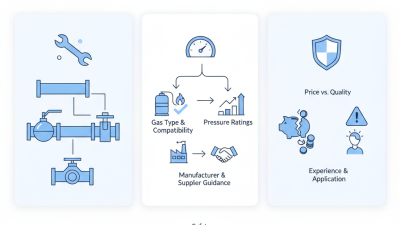
Choosing a gas cut off valve supplier is a safety decision, not merely a purchasing exercise. A reliable supplier must provide stable shutoff performance, accurate pressure ratings, traceable materials, and clear installation guidance. Small details matter. A brass body, a clean thread, and a responsive thermal sensor can influence performance during a real emergency.

Safety expert James Reason wrote, “We cannot change the human condition, but we can change the conditions under which humans work.” This principle applies directly to gas control systems. A dependable gas cut off valve should reduce human error through visible indicators, simple resetting procedures, and consistent quality control. Suppliers should also explain testing methods, certification scope, warranty terms, and replacement support.

This article examines China’s top gas cut off valve suppliers through practical purchasing criteria. It considers manufacturing experience, product range, testing capability, export history, customization, and after-sales communication. Factory photographs may look impressive, yet they do not prove field reliability. That is where careful verification becomes necessary.

No supplier fits every project.

Some manufacturers may excel in domestic heating systems but lack experience with industrial gas lines. Others may offer competitive prices but limited technical documentation. Buyers should compare actual valve specifications, not attractive catalogue language. The shortlist below is intended as a research starting point, not a final safety approval. Independent engineering review remains important before installation, especially where pressure, temperature, fuel type, and local compliance requirements differ.
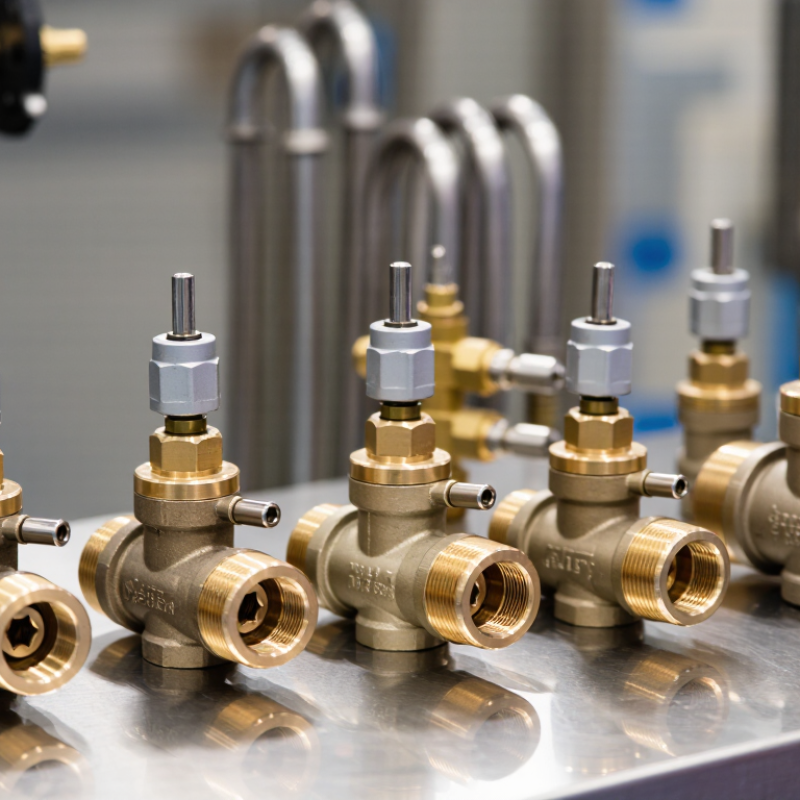
China Top 10 Gas Cut Off Valve Suppliers?

What Are Gas Cut-Off Valves and Where Are They Used?

What Are Gas Cut-Off Valves and Where Are They Used?

Gas cut-off valves stop fuel flow during maintenance, abnormal pressure, or emergency conditions. They are installed on natural gas, LPG, and industrial fuel lines. Common locations include building entrances, kitchens, boiler rooms, laboratories, and processing plants. A manual valve uses a lever, while an automatic model responds to a detector, pressure switch, or emergency-stop signal.

Their value is simple: isolate the hazard quickly. The IEA Gas 2024 report expects global gas demand to increase by about 2.5% annually through 2030. More gas infrastructure means more points requiring dependable isolation. In practice, engineers check pressure rating, temperature range, pipe connection, sealing material, and flow direction. A valve that fits the pipe may still fail the application.

Safety standards such as NFPA 54 and ISO 23550 address gas installation and safety-device requirements. Selection should also consider shut-off time, reset method, corrosion resistance, and access for testing. Field inspections often reveal a basic weakness: a valve is installed behind equipment, where nobody can reach it quickly. That design needs reconsideration. Supplier evaluation should include material certificates, pressure-test records, traceability, and documented production controls, not only a low quotation.
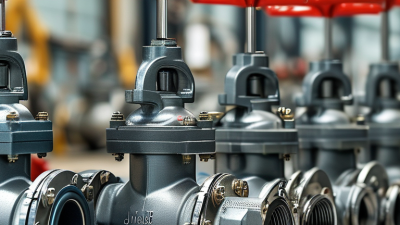
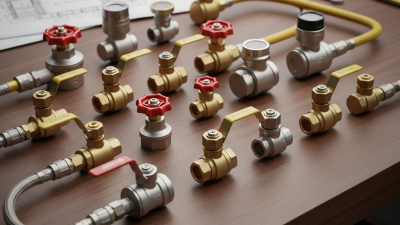
How to Evaluate Gas Cut-Off Valve Suppliers in China

Choosing among China’s top gas cut-off valve suppliers requires more than a ranked list. A supplier’s website rarely proves manufacturing capability. Ask for factory records, product drawings, and recent pressure-test reports. Verify whether the valve suits your gas type, pressure range, temperature, connection, and installation environment. Small mismatches can cause expensive failures. Keep the specification precise.

Experienced buyers should inspect material certificates, batch traceability, and inspection procedures. Look for documented tests covering shell strength, seat leakage, shut-off response, and repeated operation. Request samples from normal production, not specially prepared units. An independent laboratory can repeat critical tests. It costs more. It may prevent a larger loss. Check compliance with the standards required in your destination market, plus local installation rules. Confirm certificates directly with the issuing organization when possible.

A factory audit should examine machining, assembly, calibration, storage, and corrective-action records. Ask how rejected valves are isolated and how design changes are controlled. Reliable suppliers explain limitations instead of promising everything. Review delivery history, spare-part support, warranty terms, and response time. Speak with comparable industrial customers while protecting confidential information. No audit is perfect. I have seen neat workshops with weak documentation, and strong paperwork hiding inconsistent batches. Use staged orders and acceptance criteria before scaling. That discipline makes supplier selection more evidence-based, though never completely risk-free.

China’s Top 10 Gas Cut-Off Valve Suppliers

China’s Top 10 Gas Cut-Off Valve Suppliers represent a broad manufacturing sector serving residential, commercial, and industrial gas systems. These suppliers commonly produce ball valves, emergency shut-off valves, solenoid valves, and customized assemblies. Their factories often combine CNC machining, automated pressure testing, and batch-based inspection. Practical experience matters here. A valve may look precise but still fail after repeated cycling or temperature changes.

Reliable suppliers usually provide material certificates, dimensional reports, leakage records, and traceable production batches. Many facilities test valves for pressure resistance, sealing performance, corrosion protection, and operating torque. They may also support stainless steel, brass, carbon steel, or specialized sealing materials. Certification claims should be checked against current documents, not sales descriptions. Small details matter. Thread accuracy matters.

A careful buyer should compare response time, sample quality, production capacity, and after-sales communication. Factory audits can reveal calibration habits, warehouse conditions, and worker training. However, a fixed “top 10” ranking is never completely objective. Market position can change with technology, export experience, and quality consistency. Some suppliers have strong engineering teams but slower customization. Others offer fast delivery but limited testing depth. This is where honest evaluation becomes difficult, and a neat list may hide real differences. Each supplier should be judged against the pressure range, gas type, installation environment, and applicable safety requirements.

China Top 10 Gas Cut-Off Valve Suppliers? - China’s Top 10 Gas Cut-Off Valve Suppliers

Anonymized supplier comparison based on commonly documented Chinese gas valve product specifications
Rank Supplier Profile Primary Valve Type Nominal Size Range Pressure Class / Rating Typical Body Materials End Connection Relevant Standards Actuation Options Common Application
1 Supplier Profile 01 Ball cut-off valve DN15–DN300 / NPS ½–12 PN16–PN40; Class 150–300 Carbon steel, stainless steel Threaded, flanged, welded GB/T 12237, ASME B16.34 Manual, electric, pneumatic Gas distribution and industrial pipelines
2 Supplier Profile 02 Emergency shut-off valve DN15–DN200 / NPS ½–8 PN16–PN25 Ductile iron, carbon steel Threaded, flanged EN 161, GB/T 3821 Solenoid, pneumatic, manual reset Boiler rooms, kitchens, gas stations
3 Supplier Profile 03 Pipeline ball valve DN50–DN600 / NPS 2–24 Class 150–600 Carbon steel, forged steel RF flanged, RTJ, welded API 6D, ISO 14313, ASME B16.34 Gear, electric, pneumatic Natural gas transmission pipelines
4 Supplier Profile 04 Gas meter shut-off valve DN15–DN50 / NPS ½–2 PN0.5–PN16 Brass, aluminum alloy Threaded, compression EN 331, ISO 228-1 Manual, remote actuator Residential and commercial gas meters
5 Supplier Profile 05 Trunnion-mounted ball valve DN100–DN1000 / NPS 4–40 Class 150–900 Forged carbon steel, stainless steel Flanged, welded API 6D, API 6FA, ISO 15848-1 Gear, pneumatic, hydraulic High-pressure gas transmission
6 Supplier Profile 06 Floating ball valve DN15–DN250 / NPS ½–10 PN16–PN63; Class 150–600 Brass, stainless steel, carbon steel Threaded, flanged, wafer GB/T 12237, EN 1983 Manual, electric, pneumatic Industrial gas equipment and skids
7 Supplier Profile 07 Low-temperature gas valve DN25–DN500 / NPS 1–20 Class 150–600 Stainless steel, cryogenic alloys Flanged, welded BS 6364, API 6D Manual, pneumatic, electric LNG, low-temperature gas systems
8 Supplier Profile 08 Wafer-style shut-off valve DN50–DN600 / NPS 2–24 PN10–PN40; Class 150 Ductile iron, carbon steel Wafer, lugged EN 593, ISO 5752 Manual, pneumatic, electric Gas treatment and utility systems
9 Supplier Profile 09 Three-piece ball valve DN8–DN100 / NPS ¼–4 PN16–PN100; Class 150–600 Stainless steel, carbon steel Threaded, socket-weld, butt-weld ASME B16.34, API 598 Manual, pneumatic, electric Gas assemblies, burners, process equipment
10 Supplier Profile 10 Flanged gate shut-off valve DN50–DN800 / NPS 2–32 PN16–PN63; Class 150–600 Cast steel, carbon steel Raised-face flanged, welded API 600, API 6D, ASME B16.10 Handwheel, gear, electric Gas storage, city-gas and pipeline isolation

Note: Product ranges and standards can vary by model, pressure rating, certification, and export market. Confirm current technical datasheets, test certificates, and applicable gas-safety approvals before procurement.

Key Products, Certifications, and Manufacturing Capabilities

China’s top ten gas cut off valve suppliers should be judged by verified performance, not catalog rankings. Key products include ball valves, gate valves, globe valves, and emergency shutoff valves. Common options cover threaded, flanged, welded, and wafer connections. Materials may include carbon steel, stainless steel, and low-temperature alloys. A reliable supplier clearly states pressure ratings, temperature limits, sealing materials, and gas compatibility.

Certifications deserve careful checking. ISO 9001 supports controlled quality management, while API 6D may apply to pipeline valve designs. ISO 15848 is relevant when fugitive-emission control matters. For specific gas systems, CE, ATEX, or SIL-related documentation may also be required. Certificates should show the factory name, product scope, issuing body, and valid dates. A certificate alone proves little.

Manufacturing capability separates experienced suppliers from traders. Strong factories use forging or casting controls, CNC machining, automated welding, and pressure testing stations. Useful records include material certificates, dimensional reports, torque readings, hydrostatic tests, and seat-leakage results. Look for batch traceability from steel heat numbers to final inspection. Ask whether critical machining is done in-house. This detail is often missed. Factory audits can reveal calibration gaps, inconsistent paint thickness, or outsourced assembly. I would request a sample valve, test video, and third-party inspection before approving a large order. Mistakes still happen, especially when specifications are copied without reviewing actual gas temperature, pressure fluctuations, and installation conditions.

China Top 10 Gas Cut-Off Valve Suppliers: Product and Manufacturing Capability Reference

The chart compares commonly available gas shut-off valve product categories by representative maximum nominal size. Certification and manufacturing capability should be verified against applicable standards such as ISO 9001, API 6D, EN 331, ISO 15848, IEC 61508, and relevant Chinese GB/T requirements.

DN refers to nominal diameter. Actual size availability depends on design pressure, gas composition, temperature, connection type, material, testing requirements, and project specifications.

How to Choose the Right Chinese Supplier for Your Project

China Top 10 Gas Cut Off Valve Suppliers?

How to Choose the Right Chinese Supplier for Your Project

Choosing a Chinese gas cut off valve supplier requires more than comparing prices. Confirm the valve’s pressure rating, temperature range, sealing material, connection type, and intended gas service. Ask for material certificates, pressure-test records, dimensional drawings, and batch traceability. A supplier should explain which recognized standards apply to your installation and provide documents for independent review.

Inspect the factory, remotely or in person. Check whether it manufactures valves or mainly resells them. Review machining equipment, assembly areas, calibration records, and final inspection procedures. Request a sample before placing a large order. Test its shutoff performance, leakage rate, operating torque, and response after repeated cycles. Small details matter. A clear inspection plan can prevent expensive field problems.

Communication is another practical filter. The supplier should answer technical questions directly, identify design limits, and confirm production dates in writing. Check its quality system, export experience, warranty terms, spare-part support, and packaging for humid transport. I would not trust a polished catalog alone. One weakness in my own early supplier checks was accepting certificates without matching them to the actual valve model. That mistake is easy to repeat. Use a third-party inspection when the application is critical, and verify every document against the delivered product.

AVADA IT

Fusce ut ipsum tincidunt, porta nisl sollicitudin, vulputate nunc. Cras commodo leo ac nunc convallis ets efficitur.

RECENT TWEETS

CONTACT US

  • 12345 North Main Street,
    New York, NY 555555

  • 1.800.555.6789

  • sale@vibrotools.com

Go to Top