What Is the Best Natural Gas Shut Off Valve for 2026?

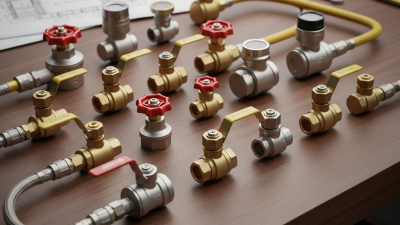
Choosing the best natural gas shut off valve for 2026 requires more than comparing prices or shiny metal finishes. The right valve must match the gas type, pipe size, pressure rating, temperature range, and installation location. A yellow quarter-turn handle should remain easy to reach, even behind a furnace or beneath a kitchen cabinet. Materials matter too. Brass, stainless steel, and coated steel may perform differently around moisture, salt air, or dusty utility rooms.

James Reason, a respected safety-engineering researcher, wrote, “We cannot change the human condition, but we can change the conditions under which humans work.” His principle fits gas-valve selection closely. A reliable valve should reduce mistakes during emergencies. It should provide clear open-and-closed positions, resist accidental movement, and carry recognized certification for its intended use. Automatic shutoff models may add protection when sensors detect abnormal flow, but they also require correct sizing, testing, and maintenance.

There is no universal winner. Not really. A compact residential valve may suit a stove, while a commercial appliance needs a stronger, higher-capacity design. Some buyers focus too heavily on brand reputation. Others overlook thread compatibility or future access. That is where selection becomes imperfect. Before purchase, check the manufacturer’s technical data and local requirements. Have a qualified gas professional install and test the valve. Never rely on appearance alone. This 2026 guide examines valve types, safety features, durability, certification, maintenance needs, and practical value for real homes and facilities.
What Is the Best Natural Gas Shut Off Valve for 2026?

Natural Gas Shut-Off Valves: Purpose, Function, and Safety Role

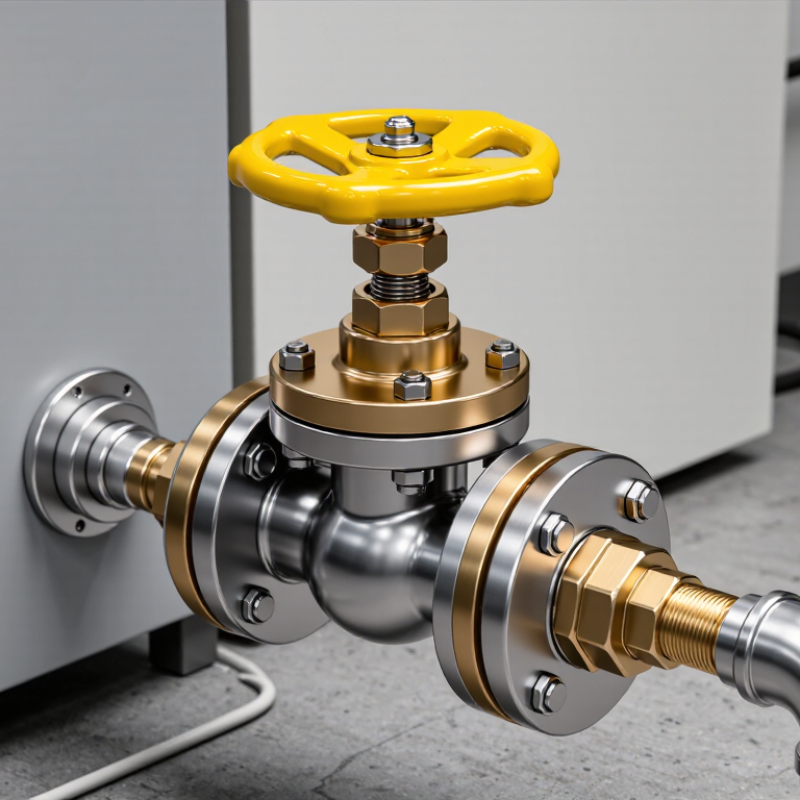
Choosing the best natural gas shut-off valve for 2026 starts with its safety role, not its appearance. The valve must stop gas flow quickly during maintenance, appliance failure, or a suspected leak. A quarter-turn ball valve is often preferred because its handle clearly shows the operating position. However, the correct choice depends on pipe size, gas pressure, installation location, and local safety requirements.

A reliable valve should use gas-rated materials and resist corrosion, heat, and repeated operation. It should fit tightly without forcing the pipe or stressing nearby joints. The handle needs clear access, even in a crowded cabinet or utility room. During field inspections, technicians often find valves blocked by storage boxes or painted shut. That small mistake can delay an emergency response.

Automatic shut-off devices may add protection during severe pressure changes or detected hazards. They still require proper installation, testing, and periodic inspection by a qualified professional. Never select a valve by price alone. Certification markings, pressure ratings, compatible connections, and documented testing matter more. A valve can look sturdy and still be unsuitable for natural gas service. I would also avoid assuming every old valve needs immediate replacement; its condition, location, and performance should be assessed carefully. If gas odor appears, leave the area, avoid switches or flames, and contact the local emergency service or gas utility.
Key Types of Natural Gas Shut-Off Valves and Their Applications

What Is the Best Natural Gas Shut Off Valve for 2026?

The best valve depends on the application, pressure, access, and emergency plan. A quarter-turn ball valve suits many residential appliances because it closes quickly and shows its position clearly. Its handle should remain reachable, not hidden behind a cabinet or stored equipment. Plug valves can serve larger commercial lines where durable flow control matters. They may require more turning force. That detail is easy to overlook.

Automatic shut-off valves add another safety layer. Excess-flow models respond when a downstream line breaks. Seismic valves react to strong movement, while electrically actuated valves can close after gas detection. Each type needs correct sizing and regular testing. A valve that closes too slowly is not useful. Neither is one installed where nobody can reach it.

The U.S. Energy Information Administration’s Natural Gas Annual 2023 recorded U.S. consumption near 89 billion cubic feet per day. That scale shows why reliable isolation matters across homes, kitchens, boilers, and industrial systems. NFPA 54 and local fuel-gas codes also emphasize accessible, listed shutoff equipment and proper installation. Field experience suggests ball valves are often the practical choice, but that assumption can fail on high-flow systems. I would verify pressure ratings, connection type, temperature limits, and inspection access before selecting any valve. Mechanical simplicity helps. It is not the whole answer.

What Is the Best Natural Gas Shut-Off Valve for 2026?

This comparative engineering index rates common natural gas shut-off valve types from 1 to 5 across typical applications. Ball and plug valves are generally strong choices for rapid on/off isolation, gate valves are intended mainly for fully open or fully closed service, globe valves are better suited to flow regulation, and butterfly valves provide compact shut-off performance in larger pipelines. Actual selection must follow local gas codes, pressure class, temperature, materials, leakage requirements, and certified installation practices.

How to Choose the Best Natural Gas Shut-Off Valve for 2026

What Is the Best Natural Gas Shut Off Valve for 2026?

Choosing the best natural gas shut-off valve starts with the installation, not the price. Check the gas type, operating pressure, pipe size, temperature range, and connection style. A valve should match the system’s certified requirements and local code. The wrong size can restrict flow or create a difficult seal.

NFPA 54, the National Fuel Gas Code, emphasizes accessible appliance shutoff valves and proper installation practices. The U.S. Energy Information Administration reported that natural gas produced about 43% of U.S. utility-scale electricity generation in 2023. This large energy role makes dependable gas-control components important in homes and commercial facilities. Choose a quarter-turn valve with a clear handle, corrosion-resistant construction, and an appropriate pressure rating. I still distrust vague “universal” claims. Compatibility needs proof.

Tips: Measure twice. Confirm the gas pressure. Look for recognized safety certification and traceable documentation. Avoid valves with stiff movement, damaged threads, or unclear markings. Install the valve where it remains visible and reachable. After installation, a qualified technician should perform a leak test and verify shutoff operation. A valve can look perfect and still fail internally. Replacement decisions should consider service history, moisture exposure, vibration, and the valve’s actual age, not appearance alone.

What Is the Best Natural Gas Shut Off Valve for 2026? - How to Choose the Best Natural Gas Shut-Off Valve for 2026

Valve Type Best Application Typical Size Range Flow Design Common Body Materials Typical Gas-Service Pressure Capability Main Advantages Important Limitations Recommended 2026 Selection Check
Full-Port Ball Valve Main residential gas lines, branch lines, and equipment isolation where low flow restriction is important Commonly 1/2 to 2 in.; confirm the exact connection size Bore is approximately the same as the connected pipe inside diameter Brass, bronze, or corrosion-resistant steel Many listed gas valves are rated for low-pressure building gas systems; some designs have higher pressure ratings. Use the marked rating, not the appearance of the valve. Low pressure drop, quarter-turn operation, clear open/closed position, and good suitability for frequent inspection Must be specifically listed or certified for natural gas; a general-purpose water or air ball valve is not an acceptable substitute Look for gas-service marking, compatible threaded or press connections, an approved seal material, and a pressure rating at least equal to the system design pressure
Standard-Port Ball Valve Short branch runs, appliance connections, and installations where moderate flow capacity is sufficient Commonly 1/2 to 2 in.; actual availability varies by connection type Reduced internal bore compared with full-port designs Brass, bronze, or steel, depending on the listing and pressure class Varies widely; the certified product label and installation instructions control Compact, widely available, easy to operate, and usually economical Higher pressure loss than a comparable full-port valve; may be unsuitable for high-demand appliances or long branch runs if sizing is marginal Compare the valve’s flow coefficient or bore with the pipe and appliance demand; do not select by nominal size alone
Gas Cock / Plug Valve Traditional appliance shutoff points and installations requiring a compact manual gas cock Commonly 3/8 to 2 in., depending on the gas-cock design Rotating plug with a straight or shaped gas passage Brass, bronze, or plated metal approved for gas service Often designed for appliance or low-pressure building gas service; verify the product marking and applicable listing Compact body, positive quarter-turn action, and common use near gas appliances Some designs require periodic operational checks; exposed or inaccessible handles can complicate emergency shutoff Confirm handle accessibility, orientation, connection type, and compliance with the local fuel-gas code and appliance instructions
Appliance Shutoff Valve Individual cookers, fireplaces, water heaters, furnaces, dryers, and other gas appliances Often 3/8, 1/2, or 3/4 in.; match the appliance connector and piping arrangement Usually compact ball or plug-style passage Brass or bronze is common; flexible connector assemblies may use additional listed materials Normally intended for the appliance’s specified gas pressure; verify the valve marking before installation Easy appliance isolation, compact dimensions, and straightforward maintenance access Not intended to replace the building’s main shutoff valve; connector and valve must be approved as a compatible assembly Choose a valve listed for the fuel, use a correctly sized listed connector, and keep the handle reachable without moving the appliance
Excess-Flow Shutoff Valve Additional protection against a sudden gas release caused by a damaged downstream pipe or connector Commonly available in small residential pipe sizes; exact size and trip capacity are product-specific Internal mechanism restricts or stops flow when flow exceeds a calibrated threshold Gas-compatible brass, bronze, or steel Must be selected for the system’s inlet pressure, gas type, maximum flow, and reset requirements Adds automatic protection that a manual valve cannot provide May trip during appliance startup or unusual demand if incorrectly sized; it does not replace a readily accessible manual shutoff valve Verify trip flow, bypass or reset behavior, pressure range, installation direction, and compatibility with every downstream appliance
Automatic Safety Shutoff Valve Commercial, industrial, or engineered systems requiring automatic closure during a detected unsafe condition Size is engineered from required flow, pressure drop, and pipe configuration Powered actuator or solenoid-operated closure mechanism Steel, stainless steel, brass, or other materials specified by the certification and service conditions Application-specific; pressure, temperature, electrical, and closure-time ratings must all be checked Can integrate with gas detection, flame supervision, emergency-stop, or building-control systems More expensive and complex; requires correct wiring, testing, commissioning, and periodic maintenance Use a qualified gas-system designer and confirm the required safety standard, fail-safe position, power-failure response, and testing schedule
Selection priorities for 2026: Choose a valve specifically certified for natural gas or the applicable fuel, match the connection size and pressure rating, minimize unnecessary flow restriction, provide easy access to the handle, and follow the current local fuel-gas code and appliance manufacturer instructions.
Important safety note: Gas piping work should be performed and tested by a qualified professional where required by local law. Never use a valve intended only for water, compressed air, or hydraulic service in a natural-gas installation. The valve’s marking, certification, installation instructions, and local code take precedence over this general comparison.

Reference framework: commonly applicable fuel-gas installation requirements and product standards may include NFPA 54/ANSI Z223.1, ASME B16.44, and appliance gas-valve standards such as ANSI Z21.15/CSA 4.1, depending on the jurisdiction and application.

Installation, Testing, and Maintenance Requirements

What Is the Best Natural Gas Shut Off Valve for 2026?

The best natural gas shutoff valve is listed for gas service, sized correctly, and matched to the system pressure. A quarter-turn manual valve is often practical for residential appliances. It should remain visible and easy to reach. The handle must move without striking walls, cabinets, or nearby equipment. Installation requires a qualified gas professional who follows current local codes. The gas supply must be isolated before work begins. Pipe supports should prevent stress on the valve body. Use only thread sealant approved for natural gas. Excess sealant can enter the passage and restrict flow.

Testing is not optional. After installation, the technician should inspect every connection and perform a pressure test required by local regulations. A combustible-gas detector can support the inspection, but approved leak-detection solution remains useful for visible bubbles. Never test with a flame. A failed test demands immediate correction, not temporary tightening. That shortcut can damage threads.

Maintenance should include visual checks for corrosion, impact, moisture, and blocked access. Operate the valve only when the system procedure allows it. Do not force a stiff handle. Replace damaged valves rather than improvising repairs. Keep the surrounding area clear, especially near furnaces and cooking appliances. Records should show installation dates, test results, and corrective work. Requirements vary by location and appliance type. That uncertainty matters. A valve that appears suitable may still fail inspection if its certification, pressure rating, or accessibility is wrong.

Safety Standards, Smart Features, and Future Valve Technologies

The best natural gas shutoff valve for 2026 should combine verified safety performance with practical control. Look for a valve tested to recognized gas-appliance standards and approved for the installation’s pressure, temperature, and pipe size. A strong housing matters, especially near a furnace room where dust, heat, and vibration are common. Clear flow-direction markings reduce installation mistakes. Manual operation must remain simple.

Smart features are becoming more useful. A connected valve can respond to gas sensors, abnormal pressure, or a sudden flow increase. Some systems send alerts to a phone and record shutoff events for inspection. However, wireless control should not replace a physical handle. Batteries fail. Networks fail. A local emergency button is still essential. The best designs use fail-safe closing, status indicators, tamper alerts, and a tested manual override.

Future valves may include self-diagnostics, low-power sensors, and predictive maintenance warnings. They could detect slow leakage before a household notices an odor. That promise needs careful testing. More electronics can also create more failure points. I would rather choose a simpler certified valve than an impressive device with vague testing evidence. Installation by a qualified professional remains critical, because even excellent equipment cannot correct poor pipe connections or incorrect sizing. Check the valve regularly, follow local requirements, and keep access clear. Safety is rarely dramatic. It is usually a visible handle, a reliable sensor, and a system that works when nobody expects trouble.

AVADA IT

Fusce ut ipsum tincidunt, porta nisl sollicitudin, vulputate nunc. Cras commodo leo ac nunc convallis ets efficitur.

RECENT TWEETS

CONTACT US

  • 12345 North Main Street,
    New York, NY 555555

  • 1.800.555.6789

  • sale@vibrotools.com

Go to Top