Top Water Heater Shut Off Valve Types Which Is Best?
Choosing the right water heater shut off valve can prevent a small leak from becoming expensive water damage. Yet, many homeowners focus only on price or appearance. The better choice depends on pipe material, heater location, water pressure, and how quickly the valve must operate during an emergency.
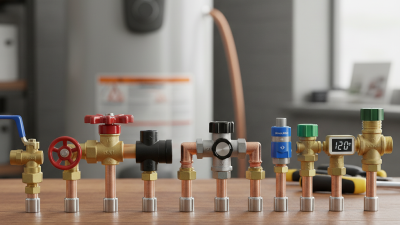
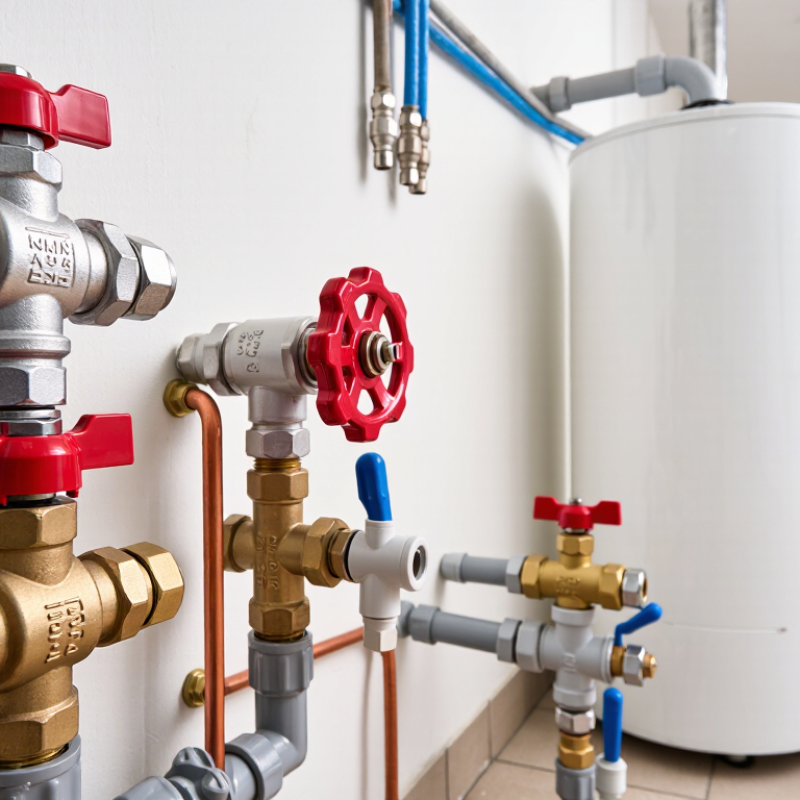
In hands-on plumbing inspections, ball valves often stand out because their quarter-turn handle closes the water supply quickly. They are especially practical beside a tank, where a stiff handle can slow an emergency response. Gate valves may appear on older systems, but their internal parts can corrode or become difficult to operate after years of neglect. Angle-stop valves can work well in tight spaces, although their size and connection style must match the installation.
No single valve wins every situation.
This guide compares common valve types, including ball, gate, globe, and automatic shutoff options. It explains how each design works, where it performs best, and which weaknesses deserve attention. A valve that feels smooth today may still fail later if mineral buildup is ignored. That detail is easy to miss.
You will also find practical advice about thread sizes, soldered connections, accessibility, and routine testing. Always follow the water heater manufacturer’s instructions and applicable plumbing requirements. When a connection is damaged, pressurized, or difficult to identify, a licensed plumber should inspect it. A rushed replacement can create a slow leak behind the heater, where damage may remain hidden for weeks.
Water Heater Shut-Off Valves: Purpose and Basic Operation
Top Water Heater Shut Off Valve Types: Which Is Best?
A water heater shut-off valve controls the cold-water supply entering the tank. Its main purpose is simple: isolate the heater during leaks, repairs, or replacement. It does not regulate water pressure. That job belongs to a separate pressure-control device.
Most homes use ball valves or gate valves. A ball valve closes with a quarter turn and gives a clear visual signal. The handle sits across the pipe when closed. Gate valves require several turns and can become stiff after years of inactivity. They may still work, but their internal parts can wear quietly. In practical inspections, a full-port ball valve is often preferred because it opens fully and restricts flow less.
Before servicing a heater, close the supply valve and open a nearby hot-water tap. This releases some pressure and helps confirm that the valve works. For an electric heater, switch off the circuit breaker before draining or opening components. Gas equipment needs extra care, and qualified service may be necessary. Never force a corroded handle. It can break at the worst moment.
A valve can look healthy.
Check it twice.
Small leaks around the stem deserve attention. I used to assume a rarely used valve was reliable, but inactivity can hide failure. Testing it gently during routine maintenance is wiser than discovering the problem beside a leaking tank.
Top Water Heater Shut-Off Valve Types: Which Is Best?
For routine water-heater isolation, a full-port ball valve is generally the best choice because it opens quickly, provides low flow resistance, and requires only a quarter turn. Gate valves also provide low restriction when fully open, while globe valves are better suited to flow regulation than simple shutoff.
Scale: 1 = low suitability, 5 = high suitability. The scores summarize common engineering characteristics of standard valve designs and are not based on any specific manufacturer or brand.
Main Types of Water Heater Shut-Off Valves
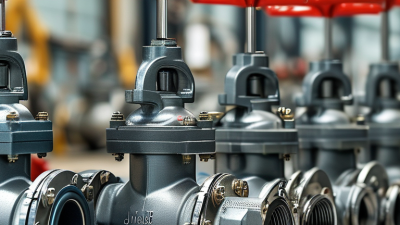
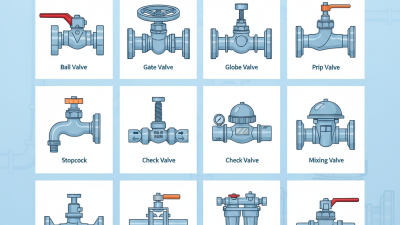
Water heater shut-off valves control cold-water flow into the tank. The main types are ball, gate, and globe valves. Ball valves use a rotating sphere and usually close with a quarter-turn lever. They provide quick operation and strong flow when fully open. Gate valves lift an internal gate, but their handles need several turns. Older gate valves may stick after years without use. Globe valves regulate flow more precisely, although their internal shape creates greater resistance.
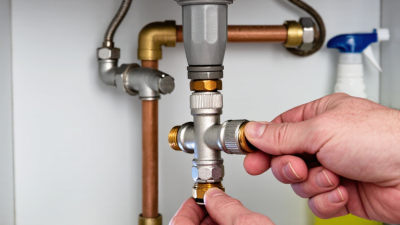
Connection style also matters. A valve may have threaded, soldered, compression, or press-fit ends. Threaded valves suit replaceable pipe sections, while soldered valves create a permanent connection. Compression models can simplify repairs, but they require careful tightening. A full-port ball valve is often practical for a residential heater because its opening closely matches the pipe size. Not every quarter-turn valve is full-port.
During inspection, the valve should sit on the cold-water inlet and remain easy to reach. It must not replace the temperature-and-pressure relief valve. Check the handle, joints, and nearby copper for corrosion or mineral stains. Turn the valve gently, never force it. A valve can look clean outside while failing internally. That detail is easy to miss. Match the valve to the pipe material, heater arrangement, and local plumbing requirements. A licensed professional should verify difficult installations, especially where older piping or limited access complicates replacement.
Top Water Heater Shut Off Valve Types: Which Is Best?
| Valve Type |
How It Operates |
Typical Water-Heater Use |
Flow Restriction |
Main Advantages |
Limitations |
Overall Suitability |
| Full-Port Ball Valve |
A quarter-turn handle rotates a drilled ball to open or close the passage. |
Cold-water inlet shutoff and service isolation. |
Very low when fully open |
Fast operation, clear open/closed position, durable design, and good emergency shutoff performance. |
Not intended for precise flow throttling; partially open use can damage the seats over time. |
Best general choice |
| Standard-Port Ball Valve |
A quarter-turn handle rotates a ball with a smaller internal opening than the pipe connection. |
General residential water-line isolation where a small pressure drop is acceptable. |
Low to moderate |
Compact, quick to operate, and usually less expensive than a full-port design. |
The reduced opening can slightly limit flow compared with a full-port valve. |
Good alternative |
| Gate Valve |
A threaded gate moves vertically to open or block the water passage. |
Older installations and applications requiring a fully open or fully closed valve. |
Low when fully open |
Provides a relatively unobstructed passage when fully open and is suitable for infrequent isolation. |
Slower to operate, difficult to confirm visually, and vulnerable to sticking or damaged internal parts after long periods without use. |
Acceptable for existing systems |
| Globe Valve |
A movable disk or plug presses against a seat inside a flow path that changes direction. |
Situations where controlled flow adjustment is needed, rather than simple isolation. |
Moderate to high |
Better suited than ball or gate valves for regulating flow. |
Creates more pressure loss and is generally less convenient for emergency shutoff. |
Usually not preferred |
| Angle-Stop Valve |
A compact valve changes the direction of the supply line, commonly using a multi-turn or quarter-turn mechanism. |
Small-diameter connections or space-constrained installations, subject to pipe size and local requirements. |
Low to moderate |
Space-saving layout and convenient access when the supply line turns toward the appliance. |
May not be suitable for the larger pipe sizes, higher flow requirements, or connections specified for every water heater. |
Useful where space is limited |
| Lever-Handle Quarter-Turn Valve |
Usually a ball-valve configuration operated by rotating the handle 90 degrees. |
Quick identification and shutoff at the water-heater inlet. |
Typically low |
Simple operation and an easy-to-see handle position: parallel generally indicates open, while perpendicular generally indicates closed. |
Requires adequate clearance for the lever and should not be used as a substitute for a correctly sized valve. |
Preferred operating style |
Best Overall Choice:
For most residential water-heater cold-water inlet applications, a properly sized, full-port, quarter-turn ball valve is generally the most practical option because it provides quick shutoff, low flow resistance, and a clearly visible operating position. Always verify pipe size, connection type, temperature and pressure ratings, installation orientation, and applicable local plumbing requirements.
Key Factors for Choosing the Best Shut-Off Valve
Choosing the best water heater shut-off valve starts with the installation, not the price. A full-port ball valve is often the practical choice because it closes with a quarter turn and creates little flow restriction. Gate valves may cost less, but their internal parts can wear, stick, or become difficult to operate after years of mineral exposure.
The U.S. Department of Energy reports that water heating uses about 18% of household energy consumption. That figure makes dependable isolation important during repairs and leak emergencies. Check the valve’s pressure and temperature ratings carefully. Match its connection type to the pipe, such as threaded, soldered, or press-fit systems. Brass or corrosion-resistant materials are usually suitable for potable water, but local water chemistry still matters. A perfect valve does not exist. Installation quality can outweigh the product label.
Tips:
Place the handle where it remains visible and reachable. Choose a full-port design for high-flow systems. Exercise the valve gently during routine maintenance, but never force a seized handle. Keep the temperature-and-pressure relief valve separate; it is a safety device, not a shut-off valve.
The Environmental Protection Agency notes that household leaks can waste nearly 10,000 gallons annually, so inspect the valve, nearby fittings, and drain pan together.
References: U.S. Department of Energy, Energy Saver; U.S. Environmental Protection Agency, WaterSense leak guidance.
Installation, Maintenance, and Replacement Considerations
Choosing a water heater shutoff valve matters because a small leak can quickly damage floors, cabinets, and wiring. A full-port ball valve is usually the practical choice. Its quarter-turn handle closes the supply line quickly, and its open passage creates little flow restriction. Gate valves may be cheaper, but their internal parts can stick after years of inactivity. They are poor emergency tools.
Installation deserves careful attention. Place the valve on the cold-water inlet, above the tank, with enough clearance to turn the handle fully. Keep it separate from the temperature-and-pressure relief valve; that safety device must never be used as a shutoff. Follow local plumbing requirements and the heater manufacturer’s instructions. The U.S. Energy Information Administration reported that water heating represented about 18% of residential energy use in its 2020 Residential Energy Consumption Survey. A reliable valve supports maintenance and limits wasted hot water.
Test the valve every six months by turning it gently through its full range. Do not force a corroded handle. During inspection, check threaded joints, soldered connections, and the discharge pipe for moisture or greenish deposits. The U.S. Environmental Protection Agency estimates household leaks waste nearly one trillion gallons of water annually in the United States. That figure includes many leak sources, not only heaters, but it shows why small defects deserve attention. Replacement is wise when the valve drips, refuses to close, or shows heavy corrosion. My practical mistake was delaying replacement because the handle still moved. It moved, but it did not seal.