How to Choose an Automatic Gas Shut Off Valve?

Choosing an automatic gas shut off valve is a safety decision, not just a shopping choice. The right device must match the gas type, pipe size, operating pressure, and expected flow. A valve that looks suitable may still be incompatible with your system. Check the manufacturer’s specifications carefully. Ask a licensed gas professional to confirm the details before installation.

John Drengenberg, a longtime consumer-safety expert associated with UL, offers a useful perspective on hazard protection. In paraphrase, his safety-first message is: “Choose equipment suited to the hazard, and keep it properly maintained.” This is a paraphrase, not a verified verbatim quotation. It captures an important point: a shutoff valve is only one part of a safety plan.

Compare how each automatic gas shut off valve detects danger, such as a sudden pressure change, seismic movement, or a connected gas detector’s signal. Look for clear installation instructions, tested performance claims, and a practical reset procedure. Imagine the valve beside a meter or appliance: Can a qualified installer reach it? Can you identify its status quickly? Small details matter. No device is maintenance-free. Confirm inspection intervals, test methods, and compatibility with alarms already in place. This guide explains the selection factors, common trade-offs, and questions to ask before buying. It also flags where product labels can leave room for doubt. Verify every critical claim with the manufacturer and a qualified professional.
How to Choose an Automatic Gas Shut Off Valve?

What an Automatic Gas Shut-Off Valve Does

An automatic gas shut-off valve is designed to stop gas flow when it detects a specific hazard. Depending on its design, it may respond to strong shaking, unusually high flow, or a signal from a separate gas detector. When triggered, an internal mechanism closes the valve in the supply line. It can help limit the amount of gas released after a damaged pipe or appliance connection. It stops flow. It does not remove gas already trapped in the pipe, and it cannot prevent every leak. That distinction is easy to overlook.

The valve’s protection depends on what it senses and where it is installed. A seismic model, for example, may close during significant movement, while an excess-flow model reacts to a sudden surge. These devices do not all work the same way. Placement also matters: a valve must match the gas system and be installed correctly, typically by a qualified professional. After it closes, the cause should be checked before the gas supply is restored. Some valves require manual resetting. A small detail, but an important one. Regular inspection helps confirm that the valve remains accessible and that its shut-off function has not been obstructed or forgotten.

Which Valve Type Fits Your Gas System

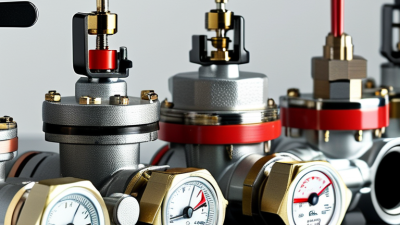
The right automatic gas shut-off valve depends on what should trigger it. A thermal valve closes when exposed to excessive heat, making it relevant where fire protection is a priority. An excess-flow valve responds to an unusually large gas flow, such as a damaged line. It may not detect a small leak. That distinction matters.

For a system monitored by a gas detector, an electrically actuated valve can close when the detector signals danger. Check how the valve behaves during a power failure; designs differ. Some systems also use seismic shut-off valves, which respond to strong movement. They are not a substitute for leak detection. More features do not always mean better protection.

Match the valve to the fuel, operating pressure, pipe size, and required flow rate. Confirm its connection type and whether its controller works with the existing alarm or sensor. A valve that fits the pipe may still be unsuitable for the gas system. Have a qualified gas professional verify the selection and installation against equipment specifications and applicable local requirements. Small details are easy to overlook.

How to Match Valve Capacity and Connections

Matching capacity starts with the gas load, not the pipe size. Add the maximum input of appliances that may run at the same time, usually listed in BTU per hour or kilowatts. Then check the valve’s flow rating at the actual inlet pressure. A rating quoted at a different pressure may give a misleading comparison. Small details matter.

An undersized valve can restrict flow and affect appliance performance. A larger rating is not automatically better; pressure regulation and system design still matter. Use the valve manufacturer’s capacity chart, and confirm the required gas type and pressure range. I would not treat a pipe’s nominal size as proof that the valve has enough capacity.

Connections need equal care. Confirm the pipe diameter, thread standard, and connection type before ordering. NPT and BSP threads can look similar but are not interchangeable. Check the product specifications, and don’t force a fitting that resists turning. It is easy to miss this. Also verify flow direction, where marked, and that the valve is rated for the intended gas service. Have a qualified gas professional confirm compatibility and perform installation and leak checks; a neat-looking connection is not proof of a safe seal.

How to Choose an Automatic Gas Shut Off Valve: Match Capacity and Connections

Common steel-pipe nominal sizes and their standard outside diameters. Nominal size is not the pipe’s measured outside diameter.

How to use this chart: Select a valve with an end connection that matches the pipe’s nominal size and connection standard (for example, NPT or BSP); these thread standards are not interchangeable. Then verify the valve’s rated gas capacity at your system’s inlet pressure, outlet pressure, and gas type. Pipe size alone does not determine valve capacity. Outside-diameter values are standard dimensions for steel pipe (ASME B36.10M).

Which Safety Features and Certifications to Check

How to Choose an Automatic Gas Shut Off Valve?

Check the valve’s certification before comparing extra features. For appliance valves, look for certification to ANSI Z21.21/CSA 6.5, and confirm the exact model in the certifier’s directory. The listing should match the intended gas type, pressure, capacity, and installation location. A valve sized for a small appliance may not suit an entire building’s supply. That distinction matters.

The NFPA report Home Fires Involving Cooking Equipment estimates that U.S. fire departments responded to an average of 158,400 home cooking fires annually from 2017 to 2021. These fires caused an estimated 470 deaths and 4,150 injuries each year. The figures cover cooking equipment generally, not gas valves specifically, but they show why automatic shutoff is only one layer of protection. Check how the device detects danger, how quickly it closes, and whether it gives a clear fault signal.

For earthquake-triggered models, verify that the product is tested and listed for that specific function; an appliance-valve certification alone may not cover it. Ask a qualified gas professional to confirm compatibility with the pipework and local requirements. I would not rely on a sales label alone. A small mismatch in flow capacity can matter, and honestly, the paperwork can be easy to overlook.

How to Choose an Automatic Gas Shut Off Valve? - Which Safety Features and Certifications to Check

Selection Dimension What to Check Why It Matters Practical Verification
Intended application Confirm whether the valve is designed for an appliance, a building fuel-gas line, or a specific automatic safety system. Valves intended for different applications may have different operating limits, control requirements, and applicable approvals. Match the product documentation to the installation and the applicable local fuel-gas code.
Fuel-gas compatibility Check the permitted gas type, such as natural gas or propane, along with any stated restrictions. Materials, pressure limits, and approved use can vary by gas and product design. Confirm compatibility on the valve’s rating label and installation instructions; do not rely on appearance alone.
Automatic trigger and controls Identify what commands closure: for example, a gas-detection system, appliance control, or another specified safety device. The valve must be compatible with the system that detects a hazardous condition and sends the closing signal. Check the required electrical supply, signal type, wiring, and any specified detector or controller compatibility.
Fail-safe action Determine what the valve does when power or the control signal is lost. Check whether it closes, stays in position, or requires a separate action. Power-loss behavior is design-dependent and should not be assumed from the term “automatic.” Verify the behavior in the manufacturer’s technical documentation and confirm it suits the safety design.
Reset and reopening Check whether reopening is manual, automatic, or permitted only after a controller gives a reset signal. A controlled reset can help prevent gas from flowing again before the cause of a shutdown has been addressed. Review the reset procedure and determine whether the installation requires a qualified technician to restore service.
Operating pressure and capacity Confirm the rated inlet pressure range, pressure class, connection size, and flow capacity for the system. An unsuitable pressure rating or flow capacity can affect safe operation and the connected appliance’s performance. Compare the valve’s ratings with the system design and appliance requirements; have sizing checked by a qualified professional.
Product certification Look for a certification or listing applicable to the exact valve model and intended fuel-gas use. In North America, relevant product standards can include ANSI Z21.21/CSA 6.5 for automatic valves for gas appliances, where applicable. A standard or certification is meaningful only within its stated scope; a general electrical approval does not by itself establish suitability for every gas installation. Check the certification mark and model in the certifier’s directory, and confirm the approval covers the product’s application and gas type.
Installation code and jurisdiction Check the local rules governing fuel-gas piping, valve location, electrical work, and system commissioning. In the United States, NFPA 54/ANSI Z223.1 is a commonly adopted fuel-gas code, subject to local adoption and amendments. Installation requirements vary by jurisdiction. A code is not a product certification. Ask the local authority or a qualified gas professional which adopted code and permits apply to the project.
Environmental and installation conditions Review the permitted ambient temperature, indoor or outdoor use, enclosure protection, mounting orientation, and exposure limitations. Conditions outside the valve’s stated limits can impair operation or shorten service life. Compare the installation location with the product’s environmental ratings and instructions.
Inspection and maintenance Check for stated inspection, testing, replacement, and maintenance requirements for the valve and its associated safety system. Automatic shutoff protection depends on the valve and connected detection or control equipment remaining functional. Follow the product instructions and applicable code; arrange required testing through a qualified professional.

Important: Certification standards and code requirements depend on the valve type, application, and location. Verify the exact model and installation requirements before purchase; use a qualified gas professional for selection, installation, and testing.

How to Confirm Installation and Maintenance Requirements

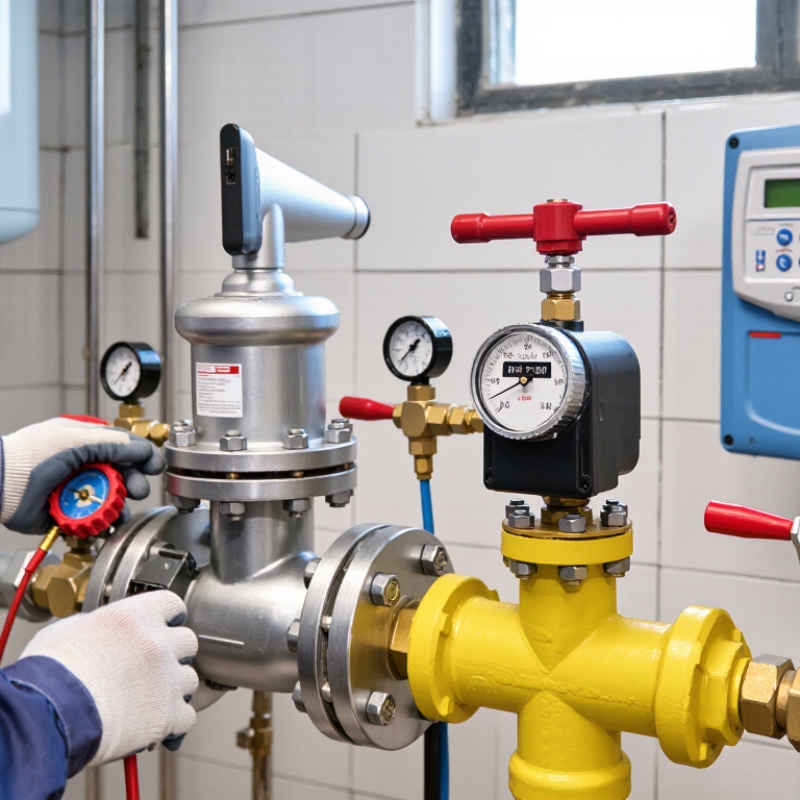
Before choosing an automatic gas shut off valve, confirm that its installation requirements match your gas line and appliance. Check the specified pipe size, gas type, pressure range, flow direction, and required clearances. A valve that fits the pipe may still be unsuitable for the system. Check the installation manual. Also confirm whether the unit needs power, a sensor, or a compatible control panel, and where those parts must be placed.

Ask a qualified gas professional to review the installation plan and perform the required leak and function tests. The valve should remain accessible for inspection and manual operation, not buried behind a fixed panel or crowded by storage boxes. Small details matter. Confirm how the system is reset after activation, and whether a power interruption affects operation. Keep the test record and installation instructions near your appliance documents; people often misplace them.

Maintenance needs vary by valve design and site conditions, so follow the manufacturer’s stated schedule and applicable local requirements. Ask who will inspect the sensor, wiring, connections, and shutoff response, and how often. Dust, moisture, vibration, or accidental knocks can affect nearby components. Do not assume a valve is working just because the appliance runs normally. I would double-check the service interval in writing; it is an easy detail to overlook.

AVADA IT

Fusce ut ipsum tincidunt, porta nisl sollicitudin, vulputate nunc. Cras commodo leo ac nunc convallis ets efficitur.

RECENT TWEETS

CONTACT US

  • 12345 North Main Street,
    New York, NY 555555

  • 1.800.555.6789

  • sale@vibrotools.com

Go to Top