How to Choose the Best Seismic Gas Shut Off Valve from China?
Choosing the best seismic gas shut off valve from China requires more than comparing prices and product photos. The valve must respond quickly to dangerous ground movement, stop gas flow reliably, and restart safely after inspection. Small details matter. A loose sensor, weak spring, or poorly sealed thread can create serious problems.
Dr. Brian Tucker, an earthquake-risk specialist, has said, “Earthquakes don’t kill people; buildings kill people.” His statement explains why gas protection deserves careful attention. A seismic gas shut off valve can reduce fire risks after an earthquake, but only when its design matches the building, pipeline, and local installation conditions. Buyers should review activation sensitivity, shutoff time, valve size, pressure range, body material, and reset method. Testing records are important. So are clear factory labels and traceable quality documents.
Chinese manufacturers offer many options, from compact residential models to larger industrial assemblies. However, similar-looking valves may differ significantly inside. Ask for real test data, inspection procedures, sample approval, and installation instructions. Check whether the supplier can support replacement parts and technical communication after delivery. A responsive engineering team is valuable when a valve arrives with unclear markings or an unexpected connection size.
The cheapest option may look sensible. It may not be.
A practical evaluation should include factory experience, production consistency, independent verification, packaging quality, and field feedback. Certifications can support trust, but they should match the intended market and application. No checklist is perfect. Still, careful questions can expose weak suppliers before they become expensive problems. This guide explains how to compare a seismic gas shut off valve from China with greater confidence, technical discipline, and realistic expectations.
Understanding the Role of a Seismic Gas Shut-Off Valve
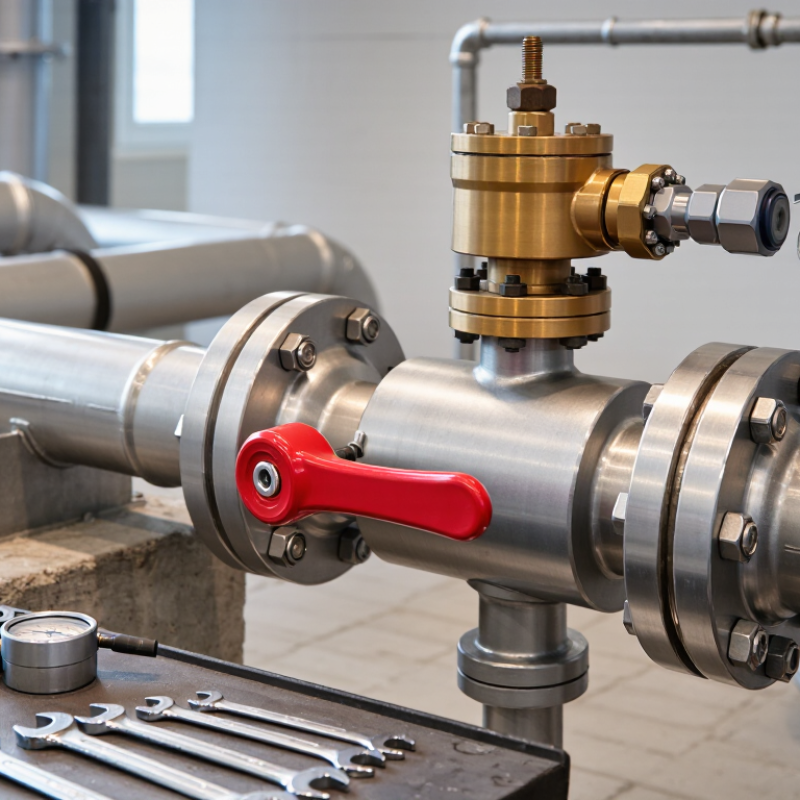
A seismic gas shut-off valve detects strong ground movement and stops gas flow before a damaged pipe becomes a serious hazard. Its sensor monitors vibration, then triggers a mechanical closing mechanism at a calibrated threshold. The valve should close without electricity, especially during an earthquake when power may fail. It is not magic. It only protects the gas line it controls.
In practical inspections, I look for a clear response setting, durable valve materials, and a reliable manual reset system. A good model should prevent accidental closure from minor vibration while reacting quickly to dangerous movement. Installation also matters. The valve must be fitted in the correct gas-line position by qualified technicians and tested after installation. Ask for evidence, not promises. Test reports, traceable material records, factory quality procedures, and compliance documents provide stronger confidence than attractive product photos.
When choosing a seismic gas shut-off valve from China, compare the manufacturer’s technical support and inspection process, not only the price. Confirm operating pressure, connection size, temperature range, and compatibility with your gas system. Some buyers focus heavily on the valve body and overlook reset access. That detail matters. A valve that closes correctly but cannot be safely reset may create delays during recovery. No valve is perfect, and selection should include local installation conditions, maintenance plans, and independent verification where required.
Evaluating China-Based Manufacturers and Product Quality
Choosing the Best Seismic Gas Shut Off Valve from China
Choosing a China-based manufacturer requires more than comparing prices. Start with the valve’s seismic response, shutoff time, pressure rating, and gas compatibility. Request test records showing how the valve performs under vibration, impact, and repeated pressure cycles. The documents should identify test dates, equipment, acceptance limits, and serial numbers.
A reliable factory can explain its production process in plain language. Ask how it controls casting defects, sealing surfaces, spring tension, and final assembly. Check whether gauges and test benches receive regular calibration. Factory visits can reveal useful details, such as labeled components, clean workstations, and traceable inspection records. A polished showroom proves little. Paperwork can look perfect.
Independent testing adds confidence, especially for large orders. Request samples before approval and inspect thread accuracy, body finish, reset operation, and leakage performance. Compare the sample with technical drawings, not only photographs. Confirm that certificates match the exact model and production site. Local installation requirements also deserve careful review. A technically strong valve may still fail if its connection size or response setting is unsuitable. I have seen sourcing teams focus heavily on certification and overlook packaging damage during transport. That mistake is easy to repeat. Require protective caps, moisture control, and batch-level inspection reports before shipment.
How to Choose the Best Seismic Gas Shut-Off Valve from China?
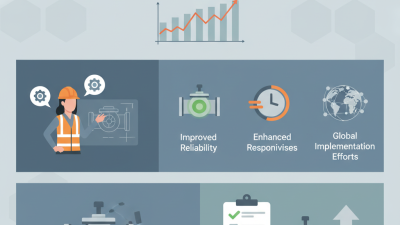
The chart presents a practical, company-neutral evaluation model for China-based seismic gas shut-off valve suppliers. The percentages are recommended purchasing weights based on measurable factors such as seismic activation performance, gas tightness, pressure testing, certification, traceability, and after-sales support.
A high-quality valve should provide documented seismic trigger testing, reliable automatic shut-off, verified pressure and leakage test results, complete material and batch traceability, and compliance evidence appropriate to the destination market. These weights are a neutral buyer evaluation framework, not a ranking of any company or brand.
Comparing Materials, Response Time, Installation, and Maintenance
How to Choose the Best Seismic Gas Shut Off Valve from China?
Material selection affects safety, service life, and maintenance costs. Brass offers good corrosion resistance and suits many indoor gas systems. Stainless steel performs better in damp areas or harsh environments. Seals also deserve attention because heat, gas composition, and aging can change their performance. Ask the supplier for material certificates, pressure ratings, and production inspection records. Response time matters, but faster is not always better. The valve should close reliably when seismic movement reaches its specified threshold. Request test data showing activation time, shutoff pressure, and reset performance. Check whether testing follows recognized national or international standards. A polished body proves little.
Installation details can decide whether a good valve works correctly. Confirm the gas direction arrow before fitting the valve. Keep the reset mechanism accessible after installation. Avoid placing it where paint, water, or building movement may damage the housing. A qualified gas technician should complete pressure and leakage tests. The pipe must remain properly supported, especially near the valve. Maintenance should include visual checks, connection inspections, and functional testing at scheduled intervals. Follow the manufacturer’s instructions and local gas safety requirements. Replace worn seals instead of forcing a stiff mechanism. Keep records of every inspection. In practice, installation mistakes are common, and suppliers may not explain them clearly. That gap deserves careful questioning before purchase.