Why Is My Gas Shut Off Valve Not Working?
A gas shut off valve should stop the gas supply quickly, clearly, and without excessive force. When the handle will not move, turns loosely, or fails to stop the flow, the problem demands careful attention. The valve may be corroded, damaged, painted over, incorrectly positioned, or connected to a larger gas-system fault. A cold handle does not prove the valve is safe. A quiet room does not prove the gas has stopped.
Richard Trethewey, a respected plumbing and heating expert, has repeatedly stressed, “Never force a gas valve that will not turn.” That advice is practical, not dramatic. Pliers can damage the stem, break the valve body, or create a sudden leak near an ignition source. If you smell rotten-egg odor, hear hissing, or suspect active leakage, leave immediately and contact your local gas emergency service from a safe location. Do not operate switches, light flames, or test the pipe yourself.
This guide examines why a gas shut off valve may appear unresponsive and what its symptoms can reveal. It considers stuck handles, failed internal parts, blocked access, and incorrect valve identification. Some causes look obvious. They are not always obvious. A homeowner may blame the handle when the real issue lies downstream. A qualified, licensed gas professional should confirm the diagnosis and repair method. That extra step may feel inconvenient, but gas safety is one area where convenience deserves less trust.
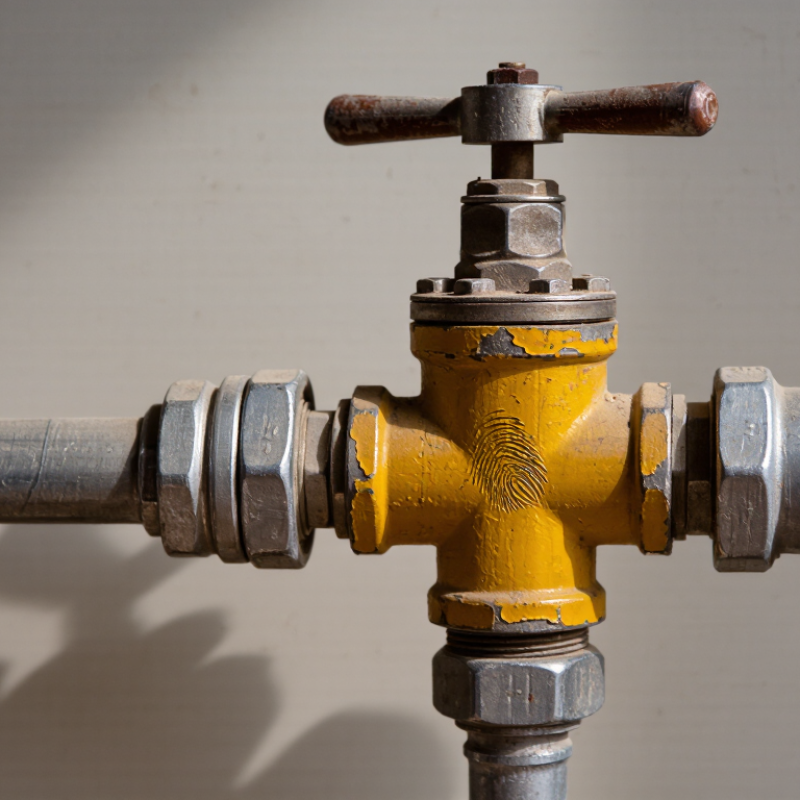
Understanding Why a Gas Shutoff Valve May Stop Working
Why Is My Gas Shut Off Valve Not Working?
A gas shutoff valve may stop working for several practical reasons. Rust, dirt, or paint can restrict the handle’s movement. Older valves may also develop internal wear, even when the outside looks normal. A valve can feel loose, stiff, or completely frozen. That symptom does not identify the exact fault. I have seen homeowners assume the valve was closed when the handle position was misleading.
Do not force the handle or use tools to gain extra leverage. A damaged valve can release gas suddenly. If you smell rotten eggs, hear hissing, or notice a damaged pipe, leave the area immediately. Avoid switches, flames, and electrical equipment nearby. Contact the local gas emergency service or a licensed gas professional. If there is no immediate danger, a qualified technician can test the valve, inspect the connecting pipe, and confirm whether replacement is necessary. A small leak can remain hidden.
Tips: Keep the valve accessible and free from storage boxes. Never cover it with insulation or paint. Do not test suspected leaks with a flame. A technician may use approved leak-detection methods and pressure testing equipment. Take a clear photo of the valve before service, but do not handle it repeatedly. Sometimes the problem is not the valve itself. A seized appliance connector or faulty regulator may create similar symptoms.
Identifying Common Mechanical and Supply-Related Problems
Why Is My Gas Shut Off Valve Not Working?
A gas shutoff valve can fail mechanically even when its handle moves normally. Rust around the stem may create stiffness, while dust or paint can prevent full movement. Some valves develop worn internal parts after years of use. A loose handle is another warning sign. It may turn without moving the actual valve. Check the handle position visually, but never force it with pliers. That can damage the stem or create a leak. A practical mistake is assuming a “closed” handle always means the gas has stopped.
The problem may also come from the supply system. An upstream valve could be partly closed, or a regulator may be limiting pressure. A damaged flexible connector, blocked pipe, or wider service outage can produce similar symptoms. If a burner lights weakly, flickers, or fails after other appliances start, supply pressure deserves professional testing. Do not remove fittings to investigate. Gas systems require calibrated instruments and qualified service work.
If you smell rotten-egg odor, hear hissing, or see unusual damage, leave the area immediately. Avoid switches, flames, and powered devices nearby. Contact the appropriate emergency gas service from a safe location. Even without an odor, a valve that will not close completely needs prompt inspection. In some cases, the visible valve is fine, but the internal seal has failed. That detail is easy to miss during a quick check.
Checking the Valve Safely Without Creating a Gas Leak
Why Is My Gas Shut Off Valve Not Working?
A gas shutoff valve may feel stiff, remain partly open, or fail to stop the supply. Do not force it with pliers or a wrench. The handle, stem, or connected pipe can break and release gas. A valve can also look normal while its internal parts have failed. Appearance is not proof.
Safety comes before testing. If you smell rotten eggs, hear hissing, or notice damaged piping, do not touch the valve. Avoid flames, light switches, phones near the suspected leak, and electrical equipment. Leave the area immediately, then contact your local gas emergency service from a safe location. Do not return until professionals say it is safe.
If there is no gas odor, inspect the valve from a distance. Check for corrosion, loose fittings, bent handles, or a handle that does not align correctly. Never remove covers or loosen connections. You may photograph the valve for a licensed technician. Some valves operate with a quarter-turn, but do not test movement if resistance is strong or the valve’s purpose is unclear. A qualified gas professional can confirm whether the valve, appliance, or supply line is defective and test for leaks with approved equipment. DIY testing seems simple. It is not always.
Why Is My Gas Shut-Off Valve Not Working?
Checking a gas valve must never involve a flame, spark, or deliberate release of gas. If the valve handle will not turn, the appliance remains supplied with gas, or you smell gas, leave the area and contact the gas emergency service or a licensed professional.
Reference: Methane forms a flammable mixture in air at approximately 5% to 15% by volume. Gas odorization requirements commonly target detection at no more than one-fifth of the lower explosive limit, equivalent to about 1% methane by volume. These values are safety thresholds, not testing instructions.
Testing Possible Repairs and Knowing When to Stop
A gas shutoff valve may feel stuck, turn loosely, or fail to stop an appliance. Testing begins with observation, not force. If you smell rotten eggs, hear hissing, see damage, or feel dizzy, leave immediately. Do not operate switches, use flames, or test the valve yourself. Call emergency services or the gas supplier from a safe location. This is not a repair experiment.
If no warning signs exist, turn the appliance off and read its manual. A qualified gas technician can check the handle, stem, and connected pipe safely. They may inspect accessible joints with an approved leak-detection solution, never a match. A valve needing external cleaning differs from one showing corrosion or stem damage. Do not spray lubricant inside it. Lubricant can hide a defect or affect the seal. My practical mistake was assuming a stiff handle needed extra pressure. It did not. The handle became damaged, and the repair became more complicated.
Stop testing when the handle resists, spins freely, leaks, or cannot reach a clear position. Stop testing. Do not remove fittings, disconnect piping, or replace internal parts. Gas components require correct sizing, proper sealing, and pressure checks. If you lack training or suitable tools, stop there. A technician should confirm the repair and test the appliance before use.
Deciding When to Call a Licensed Gas Professional
A gas shutoff valve that will not turn deserves caution, not force. A stiff handle may result from corrosion, old paint, debris, or internal damage. Its position can also be misleading, especially on older equipment. Do not use pliers, oil, heat, or a homemade extension. You could damage the valve and create a leak. If you smell rotten-egg odor, hear hissing, or see unusual meter movement, leave immediately. Avoid switches, flames, vehicles, and phones near the suspected leak. Call the local emergency service or gas utility from a safe location.
A licensed gas professional should inspect any valve that feels jammed, spins without closing, or fails to stop the appliance. This is especially important when the valve connects to a furnace, water heater, cooker, or buried line. The technician can test for leakage, verify gas pressure, examine pipe joints, and replace the valve under applicable safety requirements. They should also confirm that the appliance operates correctly after repair. Ask for proof of licensing, a written scope of work, and clear test results. Do not rely on a quick visual check.
A valve may look normal.
It may still fail internally.
I have seen how a small assumption can delay a proper repair, so guessing is not worth the risk. If you are unsure whether the handle is open or closed, stop handling it and contact a qualified professional.