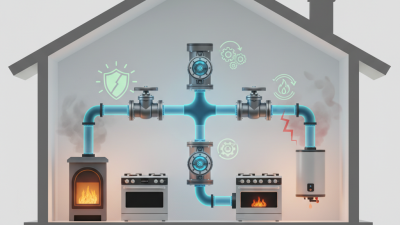
What Are the 2026 Top Gas Valve Installation Requirements? This question matters to homeowners, contractors, inspectors, and facility managers planning safe fuel-gas work. Gas valve installation is not merely a matter of connecting a valve and tightening a fitting. It involves valve selection, pipe compatibility, accessibility, flow direction, shutoff control, leak testing, ventilation, and appliance instructions. A small error near a furnace, range, boiler, or outdoor heater can create serious safety consequences.
This guide examines the practical requirements likely to shape compliant installations in 2026. Local building codes, adopted fuel-gas standards, utility rules, and manufacturer instructions remain decisive. Requirements can differ between natural gas, propane, residential equipment, and commercial systems. Always verify the current rules with the local authority having jurisdiction and use a properly qualified professional. Do not rely on an old checklist.
Look closely at the details. The valve should remain reachable after installation, not hidden behind a sealed cabinet or permanent wall. Its arrow should match the gas-flow direction. Connections need suitable materials, correct sealing methods, and documented leak testing. A technician may also check pressure, appliance operation, bonding, labeling, and emergency shutoff access. These steps sound basic. They are often overlooked.
A reliable overview must also acknowledge uncertainty. Code language changes, product approvals vary, and online advice may omit regional amendments. Therefore, this article focuses on verification rather than guesswork. It explains the major 2026 considerations while encouraging readers to confirm every project detail before work begins. Safety comes before speed.
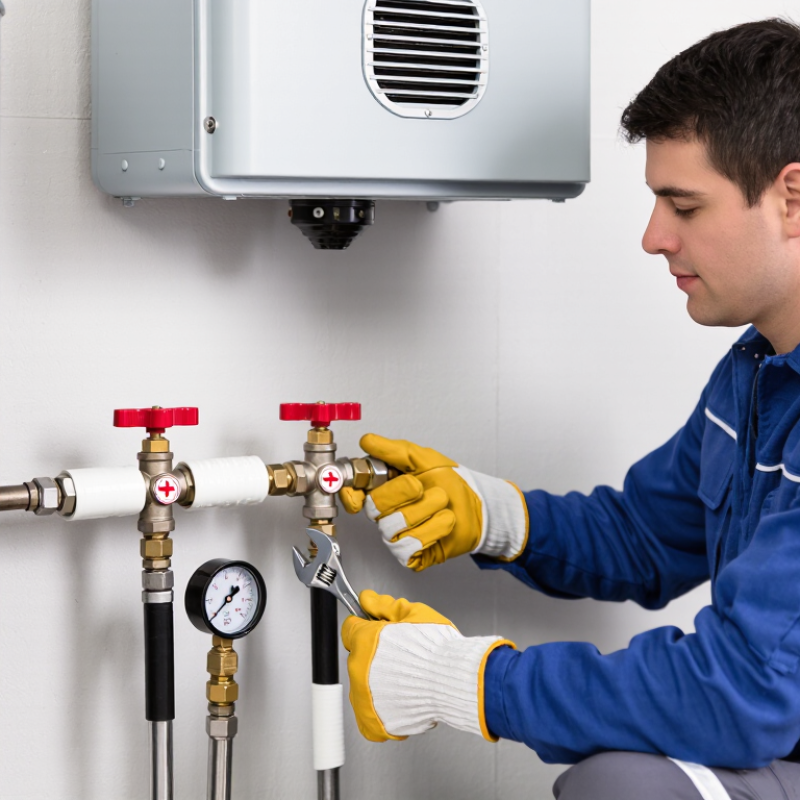
For 2026, gas valve installation requirements depend on the code adopted by the local authority. The scope usually covers new installations, replacements, alterations, and appliance connections. It may include residential and light commercial systems, but not utility pipeline construction. A gas valve is a device that controls fuel flow. A shutoff valve stops gas before an appliance. A regulator controls pressure, while an appliance connector joins the valve to approved equipment.
Installers should place shutoff valves in accessible locations, often within reach of the appliance. Valves must match the gas type, pressure, pipe material, and installation environment. Connections should remain visible and protected from impact, heat, moisture, and unnecessary strain. Leak testing is essential after installation or modification. Never rely on smell alone. Local rules may also require ventilation, sediment protection, support, labeling, or specific clearance dimensions. These details vary more than many online checklists suggest.
Tips: Confirm the 2026 code edition before work begins. Check the valve marking and pressure rating. Keep the access path clear. Photograph concealed connections before closing walls. A small clearance error can create a serious inspection issue. Field experience shows that rushed labeling causes confusion during maintenance. I have also found that “accessible” is often interpreted too casually. Ask the authority having jurisdiction when the wording seems uncertain.
| Requirement Area | 2026 Installation Requirement or Definition | Typical Application | Verification Point | Primary Code Basis |
|---|---|---|---|---|
| Scope | Requirements generally apply to fuel-gas piping, appliance connections, shutoff valves, regulators, and related installation work. The legally applicable rules depend on the code edition adopted by the local authority having jurisdiction. | Residential, commercial, and industrial fuel-gas systems. | Confirm the adopted fuel-gas, plumbing, fire, and building codes before design or installation. | Adopted local code; commonly based on NFPA 54 or the International Fuel Gas Code. |
| Listed or approved valve | A gas shutoff valve should be approved or listed for the fuel gas, pressure, temperature, and intended service. Materials must be compatible with the gas and installation environment. | Natural gas, propane, and other code-permitted fuel-gas systems. | Check the valve marking, pressure rating, service designation, and installation instructions. | NFPA 54 and IFGC equipment and material provisions; applicable product standards. |
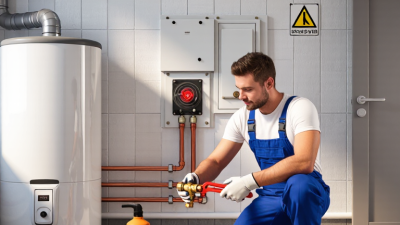
| Accessible appliance shutoff | A manually operated shutoff valve is generally required for each gas appliance. It must be accessible and located in the same room as the appliance unless an approved alternative is permitted. | Furnaces, boilers, water heaters, cooking appliances, and dryers. | Confirm that the valve can be reached without removing permanent construction or hazardous equipment. | Common appliance shutoff provisions in NFPA 54 and IFGC. |
| Emergency gas shutoff | Where required by the adopted code or project design, an emergency or building gas shutoff must be identified, accessible, and located where authorized personnel can operate it safely. | Commercial kitchens, institutional buildings, laboratories, and larger facilities. | Verify location, signage, access, operating direction, and coordination with fire-safety procedures. | Local fire code, adopted fuel-gas code, and occupancy-specific requirements. |
| Valve orientation and operation | The valve must be installed according to its listing and manufacturer instructions, with the handle or operating mechanism positioned for safe and reliable operation. | Ball valves, plug valves, appliance connectors, and equipment gas trains. | Operate the valve through its full range and confirm that the open and closed positions are clear. | Product listing, installation instructions, NFPA 54, and IFGC. |
| Pipe and valve connection | Connections must use approved methods for the piping material, including compatible threaded, flanged, brazed, welded, press-connect, or listed flexible-connector methods where permitted. | Steel, copper, corrugated stainless-steel tubing, and other code-approved gas piping systems. | Inspect joint preparation, sealants, torque or joining procedures, support, and protection from damage. | Adopted fuel-gas code and the piping-system manufacturer’s instructions. |
| Thread sealant | Threaded joints require a sealant suitable for the fuel gas and approved for the piping material. Sealant must not be applied where it can enter and obstruct the valve or appliance regulator. | Threaded metallic gas piping and valve connections. | Keep sealant off the first engaged thread and prevent excess material from entering the gas passage. | NFPA 54 and IFGC joining requirements. |
| Regulator and pressure control | Pressure-regulating devices must be suitable for the inlet pressure, outlet pressure, gas type, and equipment demand. Regulator vents must be installed and protected as required by the adopted code. | Service regulators, line regulators, appliance regulators, and gas trains. | Confirm set pressure, vent termination, vent protection, and compatibility with connected appliances. | NFPA 54, IFGC, utility requirements, and regulator instructions. |
| Gas piping support and protection | Piping and valves must be securely supported and protected from physical damage, corrosion, excessive vibration, and contact with incompatible materials. | Exposed piping, concealed piping, garages, plant rooms, and exterior installations. | Check supports, clearance, sleeves, corrosion protection, and protection at penetrations. | NFPA 54 and IFGC piping installation provisions. |
| Leak testing | New or modified gas piping must be tested for leakage using the pressure, duration, medium, and procedures required by the adopted code. Gas must not be used as the test medium where prohibited. | New installations, replacements, extensions, and relocated valves. | Document test pressure, test duration, isolated equipment, gauge suitability, and inspection results. | NFPA 54 and IFGC pressure-test provisions. |
| Leak detection and commissioning | After installation, joints and valve connections should be checked using an approved leak-detection method. The system should be purged, placed in service, and adjusted only by qualified personnel. | All newly installed or serviced gas valves and appliances. | Check every accessible joint and confirm stable operating pressure and proper appliance ignition. | Adopted fuel-gas code, utility procedures, and appliance instructions. |
| Clearance and accessibility | Valves must remain accessible for inspection, maintenance, emergency isolation, and replacement. Required clearances around appliances and service components must be maintained. | Mechanical rooms, cabinets, crawl spaces, rooftops, and appliance compartments. | Verify that finishes, storage, insulation, or equipment do not block the valve. | NFPA 54, IFGC, building code, and appliance manufacturer requirements. |
| Identification and labeling | Valves serving multiple appliances or areas should be clearly identified. Emergency controls and shutoffs may require permanent signage under local fire or building requirements. | Commercial facilities, multi-appliance systems, and emergency shutoff locations. | Confirm labels are durable, legible, visible, and consistent with the building’s gas piping layout. | Local fire code, adopted fuel-gas code, and facility safety procedures. |
| Qualified installation and inspection | Installation, testing, adjustment, and final connection should be performed by qualified personnel in accordance with permit and inspection requirements. | Permitted residential, commercial, and industrial work. | Retain permits, test records, inspection approvals, valve data, and commissioning documentation. | Authority having jurisdiction, licensing rules, and adopted construction codes. |
Key definitions: Authority Having Jurisdiction (AHJ) means the organization or official responsible for approving and enforcing the applicable code. Appliance shutoff valve means a manually operated valve used to isolate an individual gas appliance. Emergency shutoff means a valve intended to stop gas flow during an emergency or abnormal operating condition. Listed means equipment included on an approved evaluation or certification listing for its intended use. Fuel gas includes gases permitted by the adopted code, such as natural gas and propane.


© Copyright 2025 | LittleFirefighter.com | All Rights Reserved | 1EZ Creative: Orange County Web Design