Choosing the right gas cut off valve requires more than matching pipe size. The valve must suit the gas type, operating pressure, temperature, and installation environment. A residential kitchen may need different protection than a commercial boiler room. Check the manufacturer’s technical data carefully. Small details matter, including thread type, flow direction, handle clearance, and sealing materials. The wrong valve can restrict flow, leak, or fail during an emergency.
Safety comes first.
Experienced technicians usually inspect the complete gas system before recommending a valve. They consider accessibility, corrosion risks, maintenance needs, and the time required for emergency shutoff. A reliable gas cut off valve should come from a reputable manufacturer and include clear specifications, traceable quality information, and suitable certification for its intended market. Installation should follow local safety requirements and the manufacturer’s instructions. Never rely on appearance alone. A heavy metal body does not automatically mean better performance. It is also easy to overlook future servicing space, especially in crowded cabinets. That mistake deserves honest reflection. The best choice balances safety, compatibility, durability, and practical operation. This guide explains the key questions to ask before purchase, helping homeowners, contractors, and facility managers make a more informed decision.
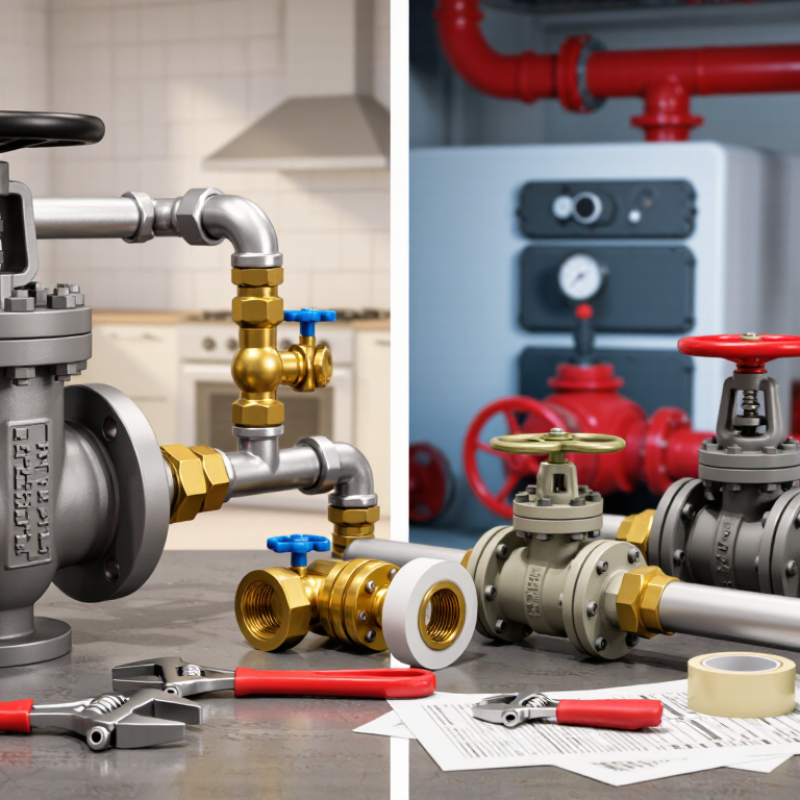
A gas cut off valve controls fuel gas flow through a pipeline. In the open position, gas reaches the connected appliance. Turning the handle closes the internal passage and isolates the appliance during maintenance, leakage, or an emergency. Many manual valves use a quarter-turn ball mechanism. The handle should clearly show whether the valve is open or closed.
Automatic models work differently. A spring-loaded mechanism may close when it detects excessive flow, abnormal pressure, seismic movement, or a signal from a gas detection system. The exact response depends on the valve design. Some valves require manual resetting after activation. That detail matters when a boiler stops at night. A technician should identify the trigger before reopening the line.
Choosing a valve involves more than matching pipe diameter. Check the gas type, working pressure, temperature range, connection standard, flow capacity, and installation direction. A valve sized too small can restrict supply, while an unsuitable seal may deteriorate and leak. Confirm the markings against the pipe and appliance documents. Inspect the handle, joints, and accessible shutoff location during installation. Local safety requirements should guide the final selection, with testing performed by a qualified professional.
Labels fade, and handles become stiff. Relying on memory is a poor maintenance plan. Record the valve location and test date where users can find them quickly.
Choosing a gas cut off valve starts with the gas type, operating pressure, and pipe size. Natural gas and liquefied petroleum gas may require different materials and seals. Pressure matters. Check both normal and maximum pressure before selecting the valve. A valve that fits the pipe may still restrict flow or fail under harsh conditions. Confirm the connection type, temperature range, and required flow rate from system documents.
Safety features should match the installation environment. For example, an accessible manual valve may suit a small indoor appliance, while a larger system may need automatic shutoff protection. Look for suitable certifications and compliance with local gas codes. Installation should follow the valve instructions and be completed by a qualified professional. Keep it accessible. Do not place it behind permanent equipment or inside an unsafe enclosure.
Field inspections often reveal one overlooked issue: corrosion around threads and handles. Select materials that tolerate moisture, chemicals, and outdoor exposure. After installation, test for leaks using approved procedures, never an open flame. Recheck the valve during routine maintenance, especially after pipework changes. A practical choice balances safety, pressure control, service access, and long-term durability. It is easy to focus on price, but that shortcut can create replacement work later. In some systems, the best valve is not the largest one. It is the one correctly matched to actual demand.
How to Choose the Right Gas Cut Off Valve?
Choosing a gas cut off valve starts with service conditions, not appearance. Ball valves offer quick, quarter-turn isolation and clear handle positions. Plug valves can suit higher-cycle applications, but their torque may increase with contamination. Solenoid valves provide automatic shutoff when a detector or control system signals danger. They need reliable power, testing, and a defined fail-safe position. In most installations, “normally closed” is safer during power loss, though the process design must confirm this choice.
Material selection should match the gas, pressure, temperature, and installation environment. Brass works well in many low-pressure indoor systems. Stainless steel provides stronger corrosion resistance near moisture or chemicals. Seal materials also matter; NBR, FKM, and PTFE do not perform identically with every gas or temperature range. Check the valve’s pressure class and certification under applicable standards, such as NFPA 54, EN 161, or local requirements. A cheap valve can become expensive when seals swell.
Safety features deserve practical testing. Look for thermal shutoff, excess-flow protection, visual position indication, and manual reset where appropriate. NFPA’s Home Structure Fires report estimated 48,530 U.S. home structure fires annually from heating equipment between 2016 and 2020. That figure includes many fuel types, but it shows why isolation matters. Inspection reports often reveal a simple weakness: the handle is difficult to reach. I have seen better specifications fail in awkward installations. Compare access, maintenance space, leak-test procedures, and replacement availability before approving the valve.
Choosing a gas cut off valve begins with installation requirements, not price. In the United States, verify the applicable edition of ANSI Z223.1/NFPA 54 and local amendments. These rules typically require an accessible manual valve near the appliance. The valve must match the gas type, system pressure, pipe size, and temperature range. It should also carry recognized certification for gas service. A valve hidden behind fixed equipment may pass a product test but fail practical inspection.
NFPA’s Home Structure Fires report found that cooking equipment caused 53% of reported home structure fires from 2017 to 2021. That figure supports careful isolation planning, especially in kitchens and multi-appliance rooms. Check whether the project requires one valve per appliance, a building-level emergency shutoff, or both. Confirm clearance, handle movement, labeling, and access after installation. Local gas authorities may require pressure testing, leak testing, or an inspection before commissioning.
A common field mistake is checking the valve but not the surrounding pipework. Inspectors also examine thread compatibility, support, corrosion protection, and connection direction. Record the valve specification, installer qualification, test results, and inspection date. Keep the documents.
Requirements can differ between jurisdictions. Always obtain written confirmation from the authority having jurisdiction before ordering equipment. A checklist helps, but it can still miss a local amendment. That deserves a second review.
A suitable gas cut off valve must match the pipe size, gas type, pressure range, and installation position. Check these details against the technical data before installation. Field practice shows that a valve can look robust yet fail when its seal material is unsuitable. Confirm the flow direction and access space. The handle should remain visible and easy to reach during an emergency.
Inspect the valve regularly for corrosion, loose connections, damaged threads, and fading labels. Look for unusual odors, hissing sounds, or bubbles around joints after applying approved leak detection solution. Never use a flame for testing. The valve should open and close smoothly without force. A stiff handle is a warning, not a minor inconvenience. If movement feels abnormal, isolate the system safely and contact a qualified gas technician.
Testing should follow the valve manufacturer’s instructions and applicable local safety requirements. A trained professional can verify shutoff performance, pressure behavior, and downstream tightness with calibrated equipment. Keep the area clear during testing, especially near burners and electrical sources. Record inspection dates, test results, repairs, and replacement parts. Do not assume a clean surface proves reliable operation. Dust can hide corrosion, and a recent test can still miss gradual wear. Maintenance intervals may need adjustment in damp, dusty, or high-use environments. Inspections are not perfect, but careful records make missed warning signs less likely.
© Copyright 2025 | LittleFirefighter.com | All Rights Reserved | 1EZ Creative: Orange County Web Design

Fusce ut ipsum tincidunt, porta nisl sollicitudin, vulputate nunc. Cras commodo leo ac nunc convallis ets efficitur.

12345 North Main Street,
New York, NY 555555
1.800.555.6789
sale@vibrotools.com