How to Find Your Water Heater Shut Off Valve

A leaking water heater can turn a quiet utility closet into a puddle before anyone notices. Knowing where the water heater shut off valve is—and how it works—can help limit damage while you arrange a repair. The U.S. Environmental Protection Agency’s WaterSense program estimates that household leaks waste nearly 10,000 gallons of water per year in an average home. That figure covers leaks throughout the home, not water heaters alone, but it shows how small drips can add up.

The Insurance Information Institute identifies water damage and freezing as recurring sources of homeowners’ insurance claims. A quick response matters. The cold-water inlet valve is usually on the pipe above the heater, but layouts vary. Some homes have a lever; others use a round, multi-turn handle. Don’t confuse this valve with the gas shutoff or electrical disconnect: they control different hazards and require separate steps. Look for pipe labels, follow the manufacturer’s instructions, and never force a stuck or corroded handle. That last part is easy to underestimate.

This guide explains how to identify the right valve, check its operation safely, and know when to call a licensed plumber. You may need a flashlight and a clear view of the pipes. A photo can help later. One detail is worth remembering: turning off the water may slow a leak, but it does not make a damaged heater safe to operate. If water is near electrical equipment, or you smell gas, keep clear and contact a qualified professional or utility provider.
How to Find Your Water Heater Shut Off Valve

Identify Your Water Heater Type and Location

Before searching for a shutoff, identify the heater and where it sits. A storage-tank model is usually a tall cylinder in a basement, garage, closet, or utility room. A tankless unit is smaller, often wall-mounted, and may be tucked near a bathroom or kitchen. Check the label or manual if the shape is unclear. Look closely. The U.S. Department of Energy’s Energy Saver guidance estimates that water heating accounts for about 18% of household energy use, so knowing your equipment is practical, not just a plumbing detail.

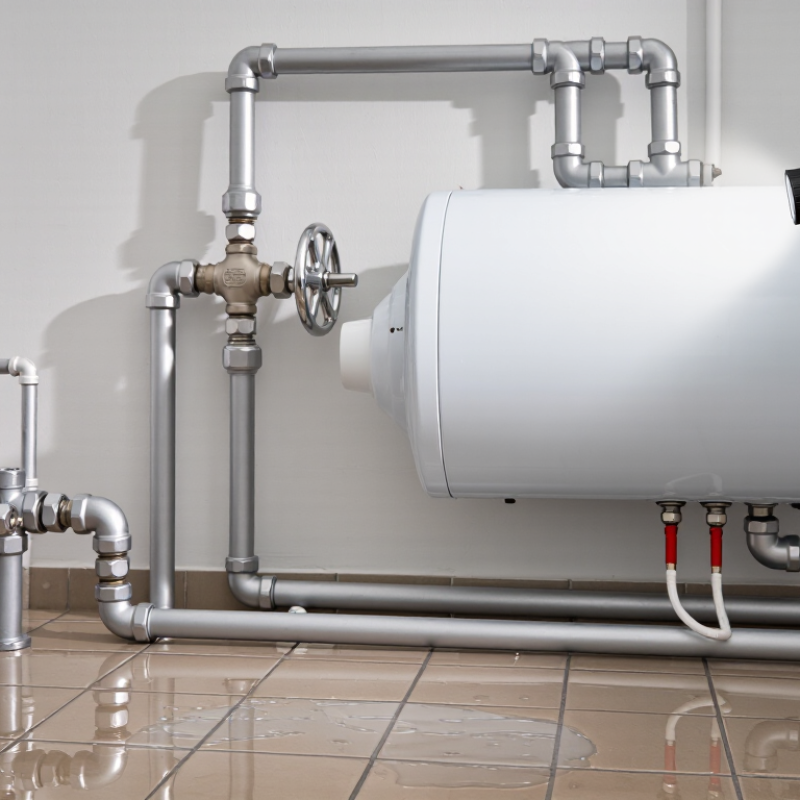
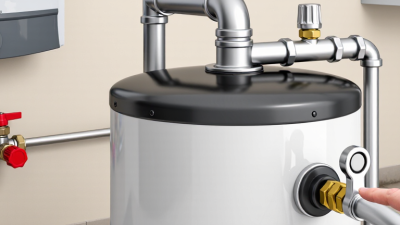
For either type, trace the cold-water pipe entering the unit; its shutoff valve is commonly nearby. A lever handle usually closes with a quarter-turn, while a round handle turns clockwise. Do not mistake the temperature-and-pressure relief valve for the water shutoff. On gas models, look separately for a shutoff on the gas line; electric models may also have a dedicated breaker. Older installations can be less orderly than diagrams suggest. Pipes may disappear behind storage or insulation, and labels can be faded. Take a clear photo of the heater and nearby pipes, then confirm each valve’s purpose before an emergency. If the layout remains uncertain, ask a qualified plumber to identify it.
Trace the Cold-Water Inlet to Find the Shutoff Valve

How to Find Your Water Heater Shut Off Valve

Trace the Cold-Water Inlet to Find the Shutoff Valve

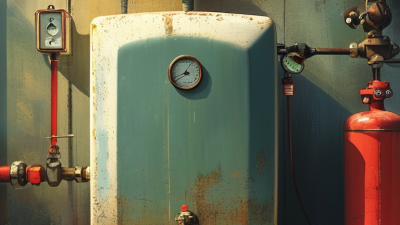
Start at the cold-water pipe entering the water heater, usually near the top. Follow it away from the tank. The valve on this pipe is typically the heater’s shutoff. It may have a round wheel or a short lever. A lever often closes when turned across the pipe; a wheel valve commonly closes clockwise. Designs vary, so don’t force a stiff or corroded handle. Use a flashlight. Look for an arrow, label, or small handle partly hidden behind the pipe. Easy to miss.

Finding the right valve matters when a connection leaks. The U.S. Department of Energy estimates that water heating accounts for about 18% of a home’s utility bill. EPA WaterSense says household leaks can waste nearly 10,000 gallons of water yearly; that figure covers all household leaks, not heaters alone. Turn the valve gently, then check whether water flow stops. Remember, hot water may remain inside the tank and pipes. If the inlet disappears into a wall, or the handle will not move, stop rather than risk damage. A plumber can identify the line safely.

Distinguish the Water Valve from Gas and Drain Valves

How to Find Your Water Heater Shut Off Valve

Distinguish the Water Valve from Gas and Drain Valves

Look for the water shutoff on the cold-water pipe, usually where it enters the top of the heater. It may have a small lever handle or a round knob. A lever usually closes when turned across the pipe; a knob generally closes clockwise. Pipes and layouts vary, so check the pipe’s direction rather than relying on handle color. If you cannot identify a local shutoff, the home’s main water valve may stop the supply.

Do not confuse it with the gas control valve. That control sits near the burner area and connects to a gas line; it does not stop water flow. The drain valve is different, too. It is usually low on the tank and has a small outlet for draining water, sometimes with a hose connection. It is not the normal supply shutoff. Easy to mix up. If the labels are unclear, pause instead of turning a fitting at random. A wrong turn can release hot water or affect the heater’s operation.

Tips: Trace the cold-water pipe by hand, without touching hot surfaces. Take a clear photo before moving any handle. If the valve feels stuck or you remain unsure, ask a qualified plumber to identify it.
Check Common Valve Locations in Different Installations

How to Find Your Water Heater Shut Off Valve

Check Common Valve Locations in Different Installations

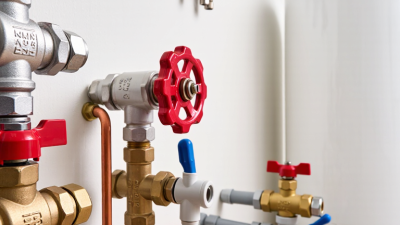
For a tank-style heater, look for the cold-water pipe entering the top of the tank. Its shutoff is usually a lever or round handle on that pipe, often nearby rather than directly above the unit. In a basement or garage, check the exposed piping first. In a closet, the valve may sit behind a small access panel. Don’t confuse it with the temperature control or gas shutoff.

Tankless heaters often have service valves beneath the unit, where the water lines connect. Some installations have separate hot- and cold-water isolation valves; the cold-side valve stops incoming water. The U.S. Environmental Protection Agency’s WaterSense program reports that household leaks can waste nearly 10,000 gallons of water yearly. Finding the right valve quickly can help limit damage, though a stuck valve can make a simple task less simple. If the pipe layout is unclear, check the installation manual or ask a qualified plumber.

Tips: Trace the cold-water line to the heater and label its valve. Turn the handle gently; never force a corroded one. Keep the area lit and clear, and know that shutting off water is different from disconnecting gas or power.

Confirm the Valve’s Function Before Turning It Off

How to Find Your Water Heater Shut Off Valve

Confirm the Valve’s Function Before Turning It Off

A handle beside the water heater may control incoming water, gas, or another fixture. Do not rely on its location alone. Trace the pipe: the cold-water inlet usually connects near the top of a tank and often has a nearby shutoff valve. A gas line may have a lever-style valve, while an electric heater is generally isolated at its breaker or disconnect—not by turning a pipe valve. Check labels and the appliance manual. If the pipe disappears into a wall, pause and verify before moving anything.

This check matters during leaks and routine maintenance. The U.S. Department of Energy’s Energy Saver notes that water heating accounts for about 18% of home energy use, so the equipment deserves careful handling. That figure is an estimate, not a reason to rush. A wrong turn can interrupt water to other fixtures or leave the heater operating without its normal supply. I’d rather spend an extra minute tracing the line; it can feel overly cautious, but guessing is worse. If the valve is corroded, stuck, or unclear, contact a qualified plumber.

Tips: Photograph the piping before you touch it. Turn only the identified water-supply valve, gently, and stop if it resists. For gas, electrical, or uncertain controls, follow the manual or get professional help. The U.S. Department of Energy source is Energy Saver, “Water Heating.”

AVADA IT

Fusce ut ipsum tincidunt, porta nisl sollicitudin, vulputate nunc. Cras commodo leo ac nunc convallis ets efficitur.

RECENT TWEETS

CONTACT US

  • 12345 North Main Street,
    New York, NY 555555

  • 1.800.555.6789

  • sale@vibrotools.com

Go to Top