How to Find the Water Heater Shut Off Valve?

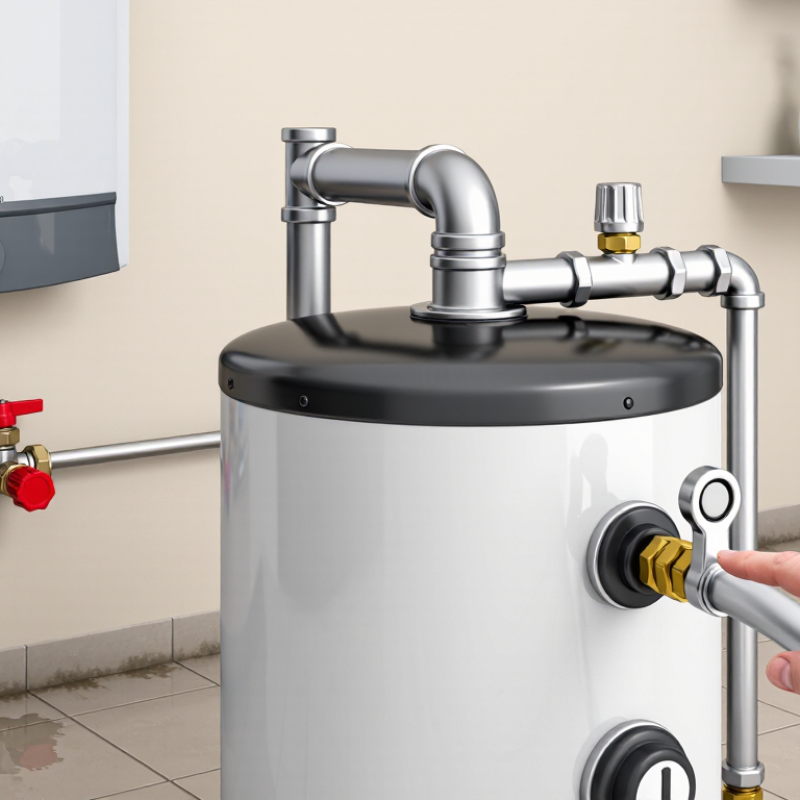
Finding the water heater shut off valve can be simple once you know what to look for. On many storage-tank models, it sits on the cold-water pipe entering the top of the tank. You may see a small lever or a round handle nearby. Not sure? Check the pipe labels and your owner’s manual.

This valve stops water flowing into the heater; it is not always the home’s main water shutoff. That distinction matters during a leak. A tankless unit may have a different arrangement, often with service valves beneath the unit. Take a moment to identify the equipment before turning anything.

Look for signs of trouble. A wet floor, dripping connection, or corroded handle can make the situation less straightforward. Don’t force a stuck valve. If water is escaping, the tank is unusually hot, or you smell gas, keep clear and contact a qualified professional. For gas or electric models, the fuel or power shutoff is separate from the water valve. Follow the manufacturer’s instructions before touching it.

A quick visual check today may save confusion later. I’ve seen how similar nearby pipes can look, and guessing is not a great plan. This guide explains where to search, how common valve handles work, and what to do if the valve is hard to find. You’ll also learn when stopping and calling a plumber is the safer choice.
How to Find the Water Heater Shut Off Valve?

Locate the Water Heater and Identify Its Cold-Water Inlet

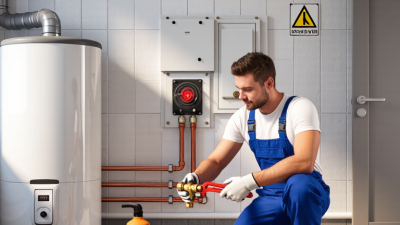
Find the heater before tracing its pipes. In a utility closet, basement, or garage, look for a tall insulated tank or a compact wall-mounted unit. Start at the tank. Follow the two water lines at the top; on many storage heaters, the cold-water inlet is marked “C” or blue, while the hot outlet is marked “H” or red. Markings can fade, so verify the pipe’s direction rather than relying on color alone.

The shutoff valve is usually on the cold-water line before it enters the heater. It may have a lever handle that turns across the pipe, or a round handle that closes clockwise. The U.S. Energy Information Administration’s 2020 Residential Energy Consumption Survey estimates that water heating accounts for about 18% of residential site energy use. That makes correct identification useful, but don’t force a stiff or corroded valve; a damaged fitting can leak. I still double-check the line, especially in older homes where pipes may be unmarked or routed unexpectedly.

Tips: Use a flashlight and trace the pipe from the heater toward the wall. A blue marking is a clue, not proof. If the piping is unclear, or the valve moves roughly, stop and ask a qualified plumber to identify it.
Trace the Cold-Water Pipe to Its Dedicated Shutoff Valve

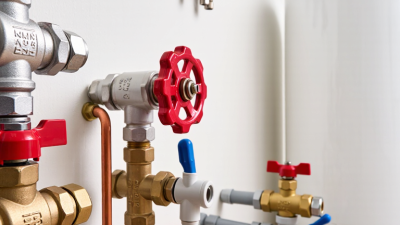
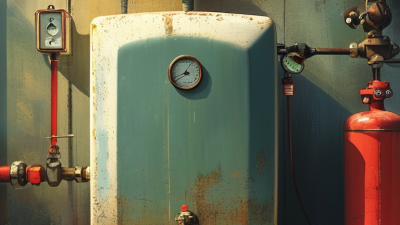
Trace the cold-water pipe from where it enters the water heater. It usually connects near the top of the tank, often with a blue marking or a “cold” label. Follow that pipe away from the heater until you find a handle or lever installed directly on it. That is typically the dedicated shutoff valve. A quarter-turn lever often closes when turned perpendicular to the pipe; a round handle may need several clockwise turns. Look closely. Pipes can run behind insulation, shelving, or wall panels, and older labels may be missing. The layout is not always obvious, so avoid guessing if several pipes meet nearby.

Tips: Use a flashlight and trace the pipe by sight or touch. Turn the valve gently; if it is stuck, heavily corroded, or leaking, stop and call a licensed plumber. Do not force it.

Knowing the valve’s location can help limit water loss during a leak. The U.S. Environmental Protection Agency’s WaterSense program reports that household leaks waste nearly 10,000 gallons of water annually on average; about 10% of homes have leaks wasting 90 gallons or more per day. Once located, mark the valve clearly and make sure it remains accessible. A quick check now helps, though pipe changes or renovations can make an old note unreliable.

How to Find the Water Heater Shut Off Valve? - Trace the Cold-Water Pipe to Its Dedicated Shutoff Valve

Step or Feature What to Look For How to Confirm It
1. Locate the water heater Find the tank or tankless unit, commonly in a utility room, basement, garage, or closet. Identify the water connections entering the unit; do not confuse them with gas, electrical, or vent connections.
2. Identify the cold-water inlet Trace the cold-water supply pipe to the heater’s inlet. The hot-water outlet carries heated water away from the unit. Check any pipe labels or installation markings. Pipe color and left-or-right position can vary, so do not rely on them alone.
3. Follow the cold-water pipe upstream Look along the cold-water pipe for a shutoff valve, usually installed near the heater’s cold-water inlet. The dedicated valve should be on the pipe supplying cold water to the heater, not on the hot-water outlet pipe.
4. Recognize common valve types A lever handle commonly indicates a quarter-turn ball valve. A round or oval handle commonly indicates a multi-turn gate or globe valve. On a typical ball valve, the lever is parallel to the pipe when open and perpendicular when closed. Multi-turn valves close by turning clockwise.
5. Verify the valve’s effect If safe and necessary, close the suspected valve gently, then open a hot-water faucet briefly. Flow should diminish after the remaining water in the pipes drains. Reopen the valve if you are only identifying it.
Dedicated heater valve A valve on the branch pipe serving only the heater can isolate that appliance while leaving other household fixtures supplied. Trace the pipe connections rather than assuming a nearby valve is dedicated. A main house shutoff may stop water to the entire home.
If no valve is visible The valve may be concealed behind an access panel, farther along the cold-water branch, or absent from the accessible piping. Do not force a stuck, corroded, or leaking valve. If needed, locate the home’s main water shutoff and contact a qualified plumber.
Safety note Closing the cold-water inlet stops new water entering the heater; it does not drain the tank or switch off the heater’s energy supply. Follow the unit’s instructions before maintenance. Avoid touching hot pipes, electrical components, gas controls, or the temperature-and-pressure relief valve unless qualified.

Distinguish the Shutoff Valve from the T&P Relief Valve and Drain

The water-heater shutoff valve is usually on the cold-water pipe entering the tank, often above it. Look for a lever handle or a round valve connected directly to that pipe. Closing it stops incoming water; it does not drain the tank or release pressure. Pipe layouts vary, so trace the line instead of relying on a photo. Small detail, big difference.

The temperature-and-pressure relief valve, or T&P valve, is typically mounted near the top or upper side of the heater. A pipe runs down from it to direct hot discharge safely toward the floor. This valve protects against excessive heat or pressure. It is not a shutoff. Do not use it to stop a leak, block its outlet, or touch a pipe that may be hot. Its position can look deceptively similar to a control point.

The drain valve sits near the tank’s bottom and often has a hose connection. It lets water out for maintenance; it does not stop water entering the heater. If a leak occurs, close the cold-water inlet valve only if you can reach it safely. If the parts are unclear, pause and check the heater’s instructions or ask a qualified plumber. Guessing is easy, and not always harmless.

Recognize a Quarter-Turn Ball Valve by Its 90-Degree Handle Travel

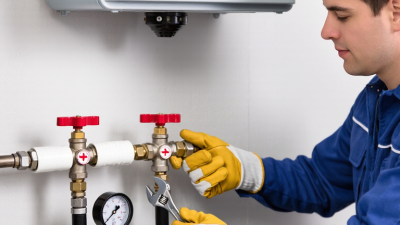
Look for the shutoff valve on the cold-water pipe entering the top of the heater. A quarter-turn ball valve usually has a straight lever handle. When the handle runs parallel to the pipe, the valve is open; turned across the pipe, it is closed. The movement is about 90 degrees, not several full rotations. A short, firm turn should be enough. Don’t force a stuck handle.

Check the pipe and handle together, since handle shape alone can mislead. Some installations are cramped, and the lever may be hard to see behind other plumbing. The U.S. Department of Energy’s Energy Saver guidance estimates that water heating uses about 18% of household energy, so knowing where the supply valve is can help during a leak or repair. I still double-check the pipe direction before turning it.

Tips: Shine a flashlight on the valve and trace the cold-water line to the heater. Turn the lever only a quarter turn, then check whether the water flow stops. If the handle is corroded, loose, or won’t move, stop and ask a qualified plumber rather than applying extra force.

Recognizing a Quarter-Turn Ball Valve

A quarter-turn ball valve rotates about 90° between closed and open. The 45° position shown is halfway through that travel, not necessarily a recommended operating position. On many installations, the handle is parallel to the pipe when open and perpendicular when closed.

Test the Shutoff at a Hot Faucet and Stop if the Valve Leaks

How to Find the Water Heater Shut Off Valve?

The shutoff is usually on the cold-water pipe entering the top of the heater. Trace the pipe upward and look for a lever or round handle. At a nearby sink, run the hot tap until the water is warm. Then close the valve gently and check the faucet. Flow may continue briefly as pressure and water in the pipes release. It should then slow or stop. Don’t force a stiff handle. Small details matter.

Watch the valve itself while testing. If water appears around its handle, body, or pipe connection, stop. Don’t keep turning it or attempt a repair under pressure; place a container beneath a minor drip and contact a licensed plumber. If the leak is substantial, use the home’s main water shutoff if it is safe to reach. EPA WaterSense estimates that household leaks waste nearly 10,000 gallons of water yearly, while 10% of homes may have leaks wasting at least 90 gallons daily. A test can reveal trouble, but it cannot prove every connection is sound. I’d treat even a small new drip as a reason to pause and reassess.

AVADA IT

Fusce ut ipsum tincidunt, porta nisl sollicitudin, vulputate nunc. Cras commodo leo ac nunc convallis ets efficitur.

RECENT TWEETS

CONTACT US

  • 12345 North Main Street,
    New York, NY 555555

  • 1.800.555.6789

  • sale@vibrotools.com

Go to Top