China Top 10 Shutoff Valve Manufacturers for Global Buyers

Choosing a shutoff valve for an international project involves more than comparing prices. Buyers must assess pressure ratings, temperature limits, media compatibility, seat materials, and the reliability of the manufacturer. A valve that looks robust on a catalog page may behave differently after months of cycling, heat, or exposure to corrosive fluids. Small details matter.

Valve handbook author Philip L. Skousen offers a useful engineering principle: “Select for service conditions, not pipe size alone.” This is a paraphrase of the practical thinking reflected in valve engineering—not a claim of a verbatim quotation. For buyers comparing China’s leading shutoff valve manufacturers, it points to the right questions: Are test records available? Can the supplier document materials and traceability? Does its production experience match the intended application? Ask for evidence.

This guide reviews ten Chinese manufacturers through a buyer-focused lens, including product range, manufacturing capabilities, quality controls, and export readiness. It is designed to support shortlisting, not replace technical review. A polished website is not proof of consistent performance, and a low quote can leave important specifications unclear. That deserves a second look. Verify current certifications, request relevant test documentation, and confirm that the proposed valve matches the actual operating conditions. The right supplier is not simply the one with the broadest catalog. It is the one whose claims withstand careful checking.
China Top 10 Shutoff Valve Manufacturers for Global Buyers

Understanding Shutoff Valves and Their Industrial Applications

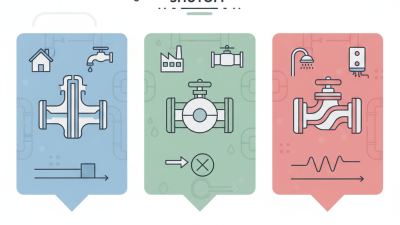
A shutoff valve controls whether fluid can pass through a pipe. In its closed position, it isolates equipment for inspection, repair, or an emergency response. The basic idea is straightforward. Reliable isolation, however, depends on correct sizing, installation, and testing.

In water systems, these valves may isolate a pump or a section of cooling line. On steam lines, operators must consider temperature, pressure, and the effects of thermal cycling. Compressed-air systems also use shutoff valves near equipment, where a clearly marked handle can help during maintenance. Small details matter. A valve designed for isolation may wear quickly if used for continuous flow adjustment.

Choosing a valve requires attention to the fluid, operating conditions, connection type, and expected cycling frequency. Materials must suit the media and temperature, while the pressure rating should match the actual system—not just its normal operating point. Maintenance teams commonly check for leakage, difficult operation, and damaged seals. Pressure matters. A drawing rarely shows every vibration, access constraint, or installation error in the field, so specifications should be reviewed against real site conditions.
Criteria for Selecting Chinese Shutoff Valve Manufacturers

Selecting a Chinese shutoff valve manufacturer starts with the service conditions, not a catalog photograph. Define the fluid, operating pressure, temperature range, connection type, and expected cycle frequency. Ask whether the proposed body and seal materials suit those conditions. A valve that works well on a clean water line may perform differently with abrasive or corrosive media.

Request measurable evidence. Useful records include pressure-test procedures, leakage limits, material certificates, and batch traceability. Check whether drawings, inspection reports, and product markings match the quotation. Standards can help comparison, but confirm that the stated edition and test scope fit your project. Details matter. If possible, inspect a sample and observe how the stem moves, how the seat closes, and whether dimensions match the drawing. A brief factory visit or independent inspection can reveal gaps that polished brochures miss.

Production capacity is only part of reliability. Discuss realistic lead times, spare-parts availability, packaging, and how nonconforming products are handled. Ask who answers technical questions after shipment, and how quickly they can provide replacement seals or revised documents. Compare the manufacturer’s answers with actual records, not promises alone. Even a careful review has limits; sample performance cannot guarantee every production batch. That uncomfortable uncertainty is worth addressing through agreed inspection points and clear acceptance criteria.

China Top 10 Shutoff Valve Manufacturers for Global Buyers - Criteria for Selecting Chinese Shutoff Valve Manufacturers

Use these ten criteria to compare suppliers. Standards and acceptance limits should be selected according to the valve type, service conditions, destination market, and project specification; no single certification or test applies to every shutoff valve.

No. Selection Criterion What to Check Evidence or Verification Method Buyer Assessment
1 Product and application fit Confirm valve type, size range, pressure rating, end connections, materials, temperature range, and suitability for the specified fluid and operating conditions. Review the technical datasheet, drawings, material specifications, and a written compliance statement against the project specification. Pass only when all required operating conditions and interfaces are covered.
2 Applicable product standards Check whether the supplier can manufacture and test the specific valve to the standards required for its intended use. Examples include API 6D for pipeline valves and API 598 or ISO 5208 for inspection and pressure testing. Request the standard and edition stated on the quotation, inspection plan, drawings, and test records. Confirm that the cited standard applies to the offered valve type. Require project-specified standards; do not treat unrelated certificates as substitutes.
3 Quality management system Assess whether documented controls cover order review, design changes, purchasing, production, inspection, nonconformities, and corrective action. Review a current ISO 9001 certificate where required, verify its scope and validity with the issuing certification body, and audit relevant procedures or records. Check certificate scope and actual factory processes, not the certificate alone.
4 Material traceability Confirm traceability for pressure-retaining parts and other components specified as critical, from incoming material through manufacturing and final inspection. Sample-check heat or batch identification against material test certificates, production records, and final inspection documentation. EN 10204 Type 3.1 certificates may be specified for metallic products. Define which components require traceability and which certificate type is required.
5 Pressure and functional testing Verify the required shell, seat, backseat, or operational tests for the valve design and purchase specification, including test medium, duration, and acceptance criteria. Review approved test procedures and completed records identifying the valve, test pressure, results, date, and inspector. Witness testing when required by the inspection plan. Specify acceptance criteria and documentation before production begins.
6 Special-service qualifications For applicable services, check evidence for fire testing, fugitive-emissions performance, or sour-service material selection. Examples include API 607 or API 6FA, ISO 15848, and ISO 15156/NACE MR0175 where relevant. Match test certificates or qualification records to the offered design, size, pressure class, materials, and configuration; verify scope and limitations. Apply only the qualifications required by the service and project specification.
7 Manufacturing capability Check whether production, machining, assembly, and inspection capacity can support the requested valve designs, materials, sizes, and order volume. Review the manufacturing route, equipment list, capacity plan, quality-control checkpoints, and sample production records; conduct a factory audit when appropriate. Confirm capacity and process control for the specific order, not just general facility capability.
8 Inspection and documentation Agree on inspection stages, hold or witness points, final documentation, nameplate details, and any third-party inspection requirements. Approve an inspection and test plan and document index before manufacture. Confirm the supplier can provide the required records in the requested language and format. Make documentation deliverables part of the purchase order.
9 Export readiness and delivery Assess packaging suitable for the transport route, protection of sealing surfaces, marking, shipping documents, production lead time, and communication of schedule changes. Review a delivery schedule, packaging specification, sample shipping documents, and written confirmation of the agreed trade terms and delivery point. Compare like-for-like delivery terms and include inspection and transit time in the schedule.
10 Commercial and after-sales support Compare quotation completeness, warranty terms, spare-parts availability, technical response process, and procedures for handling claims or nonconforming products. Request a line-by-line quotation, written warranty and claims terms, spare-parts list, and named technical contact or escalation process. Evaluate total ownership and support commitments alongside purchase price.

Profiles of Ten Leading Chinese Shutoff Valve Manufacturers

China’s shutoff valve sector includes manufacturers with different strengths, rather than one uniform profile. Some focus on forged steel valves for high-pressure service. Others specialize in stainless steel designs for corrosive media. Several build ball, gate, or butterfly valves in broad size ranges. The differences matter. Buyers should compare materials, pressure ratings, end connections, and test records against actual project conditions.

The ten profiles can be assessed by their production focus: industrial ball valves, compact utility valves, large-diameter pipeline valves, and manually operated shutoff products. Other makers may offer pneumatic or electric actuation, custom trim, or export-oriented documentation. A factory visit or live inspection can reveal practical details, such as machining consistency and how finished valves are protected before shipment. Catalog claims alone are not enough.

Quality evidence deserves close attention. Ask for traceable material certificates, pressure-test procedures, and records tied to the quoted model. Confirm whether stated standards apply to the exact configuration, not merely the product family. Some online descriptions remain vague about seat materials or test scope. That is a real limitation, and it should prompt questions rather than assumptions. A careful comparison turns ten manufacturer profiles into a clearer shortlist.

Comparing Product Ranges, Certifications, and Export Capabilities

For a “top 10” comparison, look beyond the number of valve models listed. Check whether each manufacturer covers the required types, sizes, pressure classes, body materials, and end connections. A broad catalogue is useful, but it can conceal gaps in a specific project specification. Details matter. The International Gas Union’s 2024 World LNG Report records 401.4 million tonnes of global LNG trade in 2023. That figure signals the scale of energy infrastructure, not a universal valve requirement; operating conditions still determine the right design.

Certifications and test documents deserve close review. ISO 5208:2015 specifies pressure testing for industrial valves, while API 598 covers inspection and testing requirements. Pipeline buyers may also assess API 6D compliance. Ask for current certificates, material traceability, pressure-test records, and evidence that the documents apply to the factory and product offered. A certificate alone does not prove suitability. Compare the stated standard, product scope, and test basis.

Export capability shows up in practical details: confirmed lead times, protective packing, clear technical documents, and responsive after-sales support. Request a sample datasheet and check whether spare parts are available. Compare shipping terms and the manufacturer’s experience with destination-specific documentation. A tidy quotation can still leave important questions unanswered; buyers should verify them before placing an order.

How Global Buyers Can Evaluate and Source from Chinese Suppliers

Global buyers comparing Chinese shutoff valve manufacturers should begin with the actual service conditions, not a catalogue photo. Define the fluid, operating pressure, temperature range, pipe size, and connection type. Then ask suppliers to confirm body and seal materials in writing. Small material differences can affect service life. Details matter.

Request drawings, inspection records, and test procedures for the exact valve configuration. Check whether pressure tests cover the model and size you plan to purchase. A factory visit can reveal machining, assembly, and storage practices, but a polished tour is not proof of consistent production. Ask how each unit is identified and traced after delivery. If possible, inspect a production sample before approving a larger order.

Communication is part of supplier evaluation. Send the same technical questions to several manufacturers and compare how clearly they answer. Confirm production capacity, delivery estimates, packaging, spare-part availability, and procedures for handling defects. Keep agreed specifications in the purchase documents. A spreadsheet helps, but it can hide unanswered questions. I would treat a vague response about testing as a reason to pause, even when the price looks attractive. Some checks take time. That is not wasted time.

China Shutoff Valve Suppliers: Buyer Evaluation Priorities

Illustrative weighting for comparing suppliers. These buyer-set percentages are not market statistics; adjust them to match your application, industry standards, and sourcing requirements.

Evaluate documented quality systems, applicable certifications, material traceability, pressure and leakage test records, production capability, and export support. Verify claims and test requirements directly with each supplier.

AVADA IT

Fusce ut ipsum tincidunt, porta nisl sollicitudin, vulputate nunc. Cras commodo leo ac nunc convallis ets efficitur.

RECENT TWEETS

CONTACT US

  • 12345 North Main Street,
    New York, NY 555555

  • 1.800.555.6789

  • sale@vibrotools.com

Go to Top