2026 Top Gas Valve Installation Suppliers for Global Buyers

Choosing reliable gas valve installation suppliers will matter even more for global buyers in 2026. Gas systems demand careful engineering, consistent manufacturing, and disciplined field execution. A valve may look simple, yet a poor seal can create pressure loss, downtime, or serious safety concerns. Buyers should examine supplier experience across residential, commercial, industrial, and utility applications. Product range alone does not prove technical capability.

This guide focuses on suppliers that demonstrate traceable materials, documented testing, and responsive engineering support. Look for clear pressure ratings, temperature limits, connection types, and compatibility data. Factory quality controls should include dimensional checks, leak testing, batch records, and inspection procedures. Certification claims also require verification through current documents and recognized testing bodies. Requirements vary by country, project type, and fuel system. Local code review remains essential.

Practical support can reveal more than polished websites. Ask whether the supplier can review drawings, recommend installation practices, and provide replacement parts. Examine response times, packaging quality, lead-time accuracy, and after-sales communication. A valve arriving with damaged threads can delay an entire project. Small details matter.

No supplier ranking is flawless. Market conditions change, and public information can become outdated. Buyers should compare quotations, audit evidence, warranties, and customer references before committing. The strongest choice balances safety, performance, price, and long-term service. Cost is important. It should not dominate the decision. This overview helps global buyers create a more careful shortlist for 2026 gas valve installation projects.

2026 Top Gas Valve Installation Suppliers for Global Buyers

Gas Valve Types and Ratings: DN15–DN600 and ASME Classes 150–2500

2026 Top Gas Valve Installation Suppliers for Global Buyers

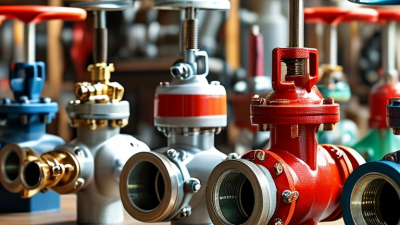
Gas valve selection begins with line size, service conditions, and operating risk. DN15 suits compact instrument or branch lines, while DN600 handles large transmission and process piping. Common choices include ball, gate, globe, check, and butterfly valves. Each design controls flow differently. Ball valves provide quick shutoff, while globe valves support finer throttling. Gate valves usually suit fully open or closed service.

ASME pressure classes 150, 300, 600, 900, 1500, and 2500 are not simple pressure numbers. Allowable pressure changes with body material and temperature. A Class 600 valve may perform differently in carbon steel and stainless steel. Buyers should verify pressure-temperature tables, sealing materials, end connections, and inspection records. Face-to-face dimensions can also affect installation. Small errors become expensive on DN600 lines.

Tips: Match the valve bore to the actual flow requirement. Confirm gas composition and temperature before choosing seals. Request hydrostatic, pneumatic, and fugitive-emission test evidence when applicable. Field experience shows that documentation is often checked too late. That is a preventable weakness. Suppliers should provide dimensional drawings, material certificates, test reports, and traceability data before shipment. For global projects, clarify applicable codes, export documents, spare parts, and local installation practices early.

Compliance Framework: API 6D, ASME B16.34, ISO 5208, and EN 331

For global buyers, gas valve selection starts with the compliance framework, not the catalogue photograph. API 6D is commonly applied to pipeline valves, covering design, manufacturing, documentation, and functional testing. ASME B16.34 establishes pressure-temperature ratings, materials, dimensions, and examination expectations for many industrial valves. These standards answer different questions. A valve can meet one and miss another. Request current certificates, material test reports, heat numbers, and pressure-test records before approving a supplier. Check that documents identify the exact model, size, pressure class, and test medium. Good evidence should follow the valve from forging to final inspection.

ISO 5208 focuses on pressure testing and acceptable leakage rates, making it useful for verifying shutoff performance. EN 331 addresses manually operated valves for gas installations, but suitability depends on application and regional requirements. Do not treat a familiar standard as universal permission. Installation conditions matter. Ask whether the valve is intended for indoor service, buried lines, above-ground piping, or emergency isolation. Review sealing materials against gas composition, temperature swings, fire exposure, and operating cycles. A practical supplier should explain test procedures, calibration status, inspection points, and nonconformance handling. Some files look complete but lack traceability. That gap deserves challenge. Independent inspection can strengthen confidence, especially for critical deliveries or unfamiliar manufacturing sites. Local codes and authority approvals may still add requirements beyond these standards. Keep that uncertainty visible during purchasing.

2026 Top Gas Valve Installation Suppliers for Global Buyers - Compliance Framework: API 6D, ASME B16.34, ISO 5208, and EN 331

Anonymized supplier qualification matrix for global gas-valve procurement. Supplier names, brands, and unsupported commercial rankings are intentionally excluded.
Supplier Profile Primary Gas-Valve Application Recommended Valve Configuration Applicable Standard Core Compliance Expectation Required Technical Evidence Buyer Verification Checkpoint Global Procurement Suitability
Profile A
Pipeline Isolation Specialist
Natural-gas transmission and distribution pipelines; above-ground or buried isolation points. Full-bore ball valve or gate valve with flanged, butt-weld, or socket-weld ends according to the approved pipeline design. API 6D
Pipeline and piping valves
Design, manufacturing, documentation, and testing should conform to the purchaser-selected API 6D edition and project specification. Valve data sheet; pressure-rating basis; material certificates; welding and NDE records where applicable; production test reports; traceability records; installation and maintenance instructions. Confirm pressure class, bore, end-to-end dimensions, actuator interface, fire-safe requirement if specified, and compatibility with the pipeline medium. High for pipeline projects
Profile B
Industrial Process-Valve Specialist
Gas processing plants, compressor stations, metering skids, pressure-reduction stations, and industrial utility systems. Flanged, threaded, or welding-end valves selected for the process pressure, temperature, gas composition, and maintenance arrangement. ASME B16.34
Valves with flanged, threaded, and welding ends
Body and closure design should be suitable for the specified pressure-temperature rating, materials, dimensions, and connection type. Pressure-temperature rating tables; design calculations; material certificates; dimensional inspection report; marking details; shell and closure test records. Check the pressure class or rating designation, material group, trim compatibility, connection dimensions, and local piping-code requirements. High for industrial facilities
Profile C
Gas-Installation Valve Specialist
Building gas installations, commercial kitchens, heating equipment connections, and downstream gas service lines. Manual ball or plug valve intended for gas installation service, with suitable threaded or other permitted connection arrangements. EN 331
Manually operated ball valves and plug valves for gas installations
Valve type, operating mechanism, gas-service suitability, endurance, tightness, and installation requirements should match the applicable European or national adoption. Declaration of conformity where applicable; product test report; installation instructions; gas compatibility statement; marking and packaging information; surveillance or certification records when required. Verify the intended gas family, maximum operating pressure, temperature range, connection standard, accessibility, flow direction, and national installation rules. High for building installations
Profile D
Valve Testing and Documentation Specialist
Projects requiring independent confirmation of valve tightness and pressure integrity before shipment or commissioning. Ball, gate, globe, check, or plug valves tested according to the applicable purchase specification and valve design standard. ISO 5208
Pressure testing of metallic valves
Testing should define shell, backseat where applicable, and closure tightness requirements, including test medium, pressure, duration, and allowable leakage. Signed test certificate; calibrated gauge records; test-medium details; test pressure and hold time; observed leakage result; valve serial-number traceability. Ensure the test procedure states the selected ISO 5208 leakage rate or purchaser-specific acceptance criterion rather than only reporting “passed.” High for audit-sensitive projects
Profile E
Export-Oriented Modular Supplier
Mixed international projects involving pipeline, process, utility, and building gas applications. Configurable valve packages with standardized documentation, optional actuators, accessories, coating systems, and connection variants. API 6D / ASME B16.34 / ISO 5208 / EN 331
Selected according to application
Each valve must be matched to the correct standard; the four standards are complementary and should not be treated as interchangeable certifications. Application-specific compliance matrix; approved drawings; bill of materials; certificates of conformity; inspection and test plan; quality records; export packing list. Review the compliance matrix line by line and confirm that the cited standard applies to the valve type, service location, pressure range, and destination market. High for multi-market sourcing
Profile F
Low-Temperature Gas-Service Specialist
Outdoor gas facilities, cold-climate distribution systems, LNG-adjacent utility services, and temperature-sensitive installations. Low-temperature-rated ball, gate, or plug valve with materials, seals, stem arrangement, and actuator selected for the design temperature. Applicable base standard plus project specification
API 6D or ASME B16.34 where relevant
Low-temperature suitability must be established separately from general pressure testing; sealing materials and body materials require application-specific review. Material impact-test records where specified; low-temperature seal data; pressure-temperature rating; design review; test reports; coating and preservation records. Confirm minimum design temperature, gas composition, hydrate or contamination risks, actuator performance, and emergency isolation requirements. Project-specific qualification
Profile G
Gas Appliance Connection Specialist
Domestic and commercial appliances, gas-fired heating equipment, cooking equipment, and terminal connection points. Compact manually operated ball or plug valve designed for downstream gas installation service and frequent user access where required. EN 331
Gas installation shut-off valves
Product selection should address manual operation, tightness, durability, installation orientation, accessible shut-off function, and national appliance rules. Installation manual; operating instructions; product marking; conformity documentation; durability or endurance test evidence; connection-size information. Confirm that the valve is intended for the actual appliance and gas installation, not merely for general industrial service. High for appliance connections
Profile H
Turnkey Installation Contractor
Complete gas-valve installation packages, including valve supply, site installation, inspection, commissioning, and handover documentation. Valve selection based on the approved piping layout, hazardous-area requirements, access constraints, actuator needs, and local code. Project compliance package
Applicable valve and installation standards
Installation quality is separate from product conformity; joining, support, alignment, torque, leak testing, labeling, and commissioning must be controlled. Approved method statement; welder or installer qualifications where applicable; inspection reports; pressure or leak-test records; as-built drawings; commissioning certificate. Verify that supplied valves, installed components, test records, and as-built documentation carry consistent tag numbers and serial references. High for EPC delivery
Important procurement note: API 6D, ASME B16.34, ISO 5208, and EN 331 address different aspects of valve design, construction, testing, or gas-installation use. Buyers should verify the current edition, applicable national adoption, project specification, pressure class, gas composition, temperature range, and statutory certification requirements before placing an order.

Global Supplier Evaluation: ISO 9001, Material Traceability, and API Certification

For 2026 valve sourcing, global buyers should evaluate evidence, not polished supplier profiles. The ISO Survey 2022 recorded 1,265,216 ISO 9001 certificates across 189 countries and economies. Certification shows a quality system exists, but it does not guarantee consistent valve performance. Buyers should request the certificate scope, issuing body, audit status, and manufacturing location. Check the heat number.

Material traceability should follow each pressure-retaining component from the mill certificate to final inspection. Review chemical composition, mechanical results, heat treatment records, and dimensional reports. The documents should match the valve body, trim, and batch markings. Paper is not proof. A practical audit can sample one finished valve and trace its serial number backward through purchase orders and inspection records. Missing links deserve a written corrective action.

API certification can strengthen supplier screening for pipeline applications, especially when the certificate covers the exact valve design and applicable specification. Buyers should verify validity, product scope, manufacturing site, and surveillance status through official certification records. The International Energy Agency reported in Electricity Grids and Secure Energy Transitions that annual grid investment must exceed USD 600 billion by 2030. This expansion increases pressure for dependable components and faster qualification. Yet certification alone may hide weak shipment controls. I would still inspect records from recent deliveries. Small gaps matter.

Installation Verification: 1.5× Pressure Testing, NDE, Torque, and Leak Rates

Installation Verification for Global Gas Valve Buyers

A credible installation file begins with the approved design pressure and governing code. Many projects specify hydrostatic testing at 1.5 times design pressure. This value must be confirmed against the valve standard and service temperature. API 598 and ISO 5208 define practical shell and seat-testing methods. They do not replace project-specific requirements.

During testing, technicians should record pressure, temperature, duration, medium, gauge identification, and stabilization time. A pressure chart is stronger evidence than a signed checklist. Small details matter.

Nondestructive examination should match the weld category and risk level. Radiography, ultrasonic testing, magnetic-particle testing, or liquid-penetrant testing may be required. Reports should show technician qualification, equipment calibration, indications, and acceptance criteria.

Torque verification also deserves attention. Excessive torque can damage seats, while low torque may cause stem leakage. Record actual values, not only target values. Leak rates must follow the specified class under API 598 or ISO 5208, because acceptable leakage varies by valve type and size.

The IEA’s Global Methane Tracker 2024 estimated about 120 million tonnes of methane emissions from fossil-fuel operations in 2023. That figure makes weak packing control more than a paperwork issue. It is an operational risk.

A practical inspection includes soap testing, instrument checks, and flange review after pressurization.

One uncomfortable lesson remains: passing a factory test does not prove correct field installation. Misalignment, contaminated seats, or incorrect torque can still create leakage.

2026 Buyer Matrix: Lead Time, Lifecycle Cost, Warranty, and Regional Support

For global gas valve buyers, lead time must be measured beyond the shipping date. Compare engineering approval, material certification, inspection, customs clearance, and local commissioning. The World Bank’s 2023 Logistics Performance Index shows clear differences in shipment reliability across markets. A supplier with regional stock may reduce downtime, even when its initial quotation is higher. Ask for a realistic delivery range, not an optimistic promise.

Lifecycle cost deserves equal weight. The IEA’s Global Methane Tracker 2024 reports that around 40% of methane emissions from fossil fuel operations could be avoided at no net cost. Valve tightness, packing quality, and maintenance access therefore affect both emissions and operating expense. Request fugitive-emission test records aligned with ISO 15848-1. Also compare spare-part prices, inspection intervals, actuator energy use, and technician availability.

Warranty terms can hide practical limits. Check coverage periods, exclusions, response times, and whether labor is included. Regional support matters most at 2 a.m.

A useful buyer matrix scores each supplier from one to five for lead time, lifecycle cost, warranty, documentation, and local support. I would also record evidence beside every score. My earlier evaluations sometimes favored price too heavily. That was a mistake. A three-week delay can erase a modest purchase saving, especially when a gas facility is waiting for final acceptance.

AVADA IT

Fusce ut ipsum tincidunt, porta nisl sollicitudin, vulputate nunc. Cras commodo leo ac nunc convallis ets efficitur.

RECENT TWEETS

CONTACT US

  • 12345 North Main Street,
    New York, NY 555555

  • 1.800.555.6789

  • sale@vibrotools.com

Go to Top