2026 Best Earthquake Gas Shut Off Valve for Global Buyers?
Choosing an earthquake gas shut off valve for a global project is not just a matter of comparing prices. Buyers must consider the gas type, pipe size, connection method, operating pressure, and installation environment. A valve suited to one building may not fit another. Small details matter.
After an earthquake, a suitable valve can help stop gas flow when strong shaking is detected. But performance depends on correct product selection, installation, and maintenance. Ask suppliers for clear technical documentation, including operating limits, test information, and compatible pipe specifications. If a document is vague, treat that as a reason to ask more questions.
Global sourcing adds another layer of care. Product standards, approval requirements, and local installation practices vary by market. Confirm requirements with the relevant local authority or a qualified gas professional before purchasing or installing equipment. A catalogue label alone is not proof of suitability. This is easy to overlook when comparing several suppliers quickly.
This guide examines practical factors for evaluating the 2026 market, from sensing mechanisms and materials to supplier support and after-sales service. It also considers questions buyers should raise before placing an order. No single model is right for every property. A careful comparison can narrow the options, though the final choice still needs site-specific review. The goal is a dependable earthquake gas shut off valve that matches the application and can be verified, installed, and maintained responsibly.
What an Earthquake Gas Shutoff Valve Does and How Seismic Triggers Work
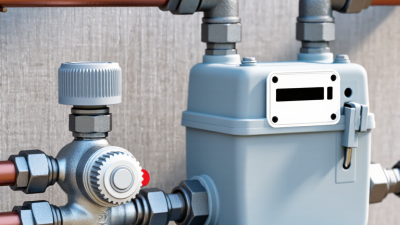
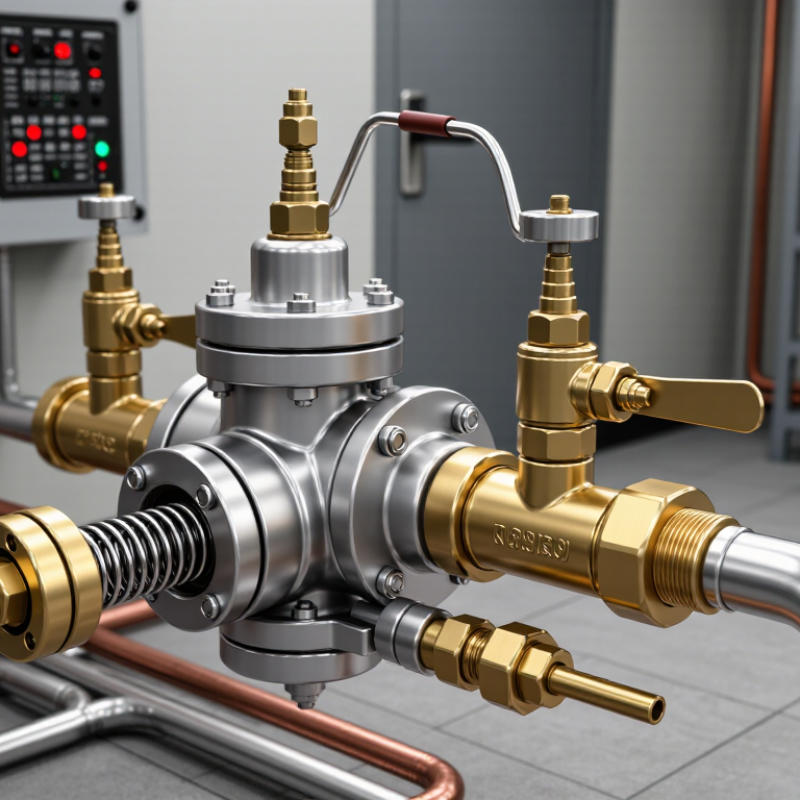
An earthquake gas shutoff valve is designed to stop gas flow when strong shaking may have damaged a building’s piping. It is usually installed in the gas line near the meter or building entry. Inside, a weighted ball or similar mechanism responds to movement. When shaking exceeds the valve’s operating threshold, the mechanism shifts and closes the passage. Gas flow stops. That can reduce the chance of fuel feeding a fire after a pipe breaks.
The trigger does not detect every earthquake, and it cannot confirm that a leak exists. A sufficiently strong impact or unusual vibration may also activate some models. Once closed, the valve generally needs inspection and manual resetting according to its instructions. Do not force it open. Check for the smell of gas, leave the area if you suspect a leak, and contact the local gas utility or a qualified technician from a safe location. Small details matter: pipe alignment, valve orientation, and correct sizing can affect performance. A device may look simple, but installation is not guesswork. Even so, a shutoff valve is only one layer of protection; secure appliances and inspect flexible connections too. The threshold is a trade-off, and no setting can remove all risk.
How ANSI Z21.93/CSA 6.30 Defines Seismic Valve Testing
ANSI Z21.93/CSA 6.30 provides a test framework for seismic gas shutoff valves. It helps buyers compare whether a valve has been evaluated for its intended safety function. The standard is not a promise that every valve will respond identically in every building.
Testing examines how a valve responds to prescribed seismic motion and whether it closes the gas passage. The evaluation also considers whether the closed valve limits gas leakage. Details matter. Buyers should request documentation identifying the tested model, applicable standard edition, and test results. A product description alone is not the same as evidence of qualification.
A qualified valve still needs correct installation. Pipe size, mounting orientation, and location can affect operation. A valve installed out of position may not perform as expected. Seismic motion also varies with soil, building structure, and distance from the source. That part is easy to overlook. For global projects, confirm local gas-system requirements and have a qualified professional review the installation. Standard-based testing offers useful evidence, but it cannot replace site-specific design or routine inspection.
How to Match Valve Capacity, BTU/h Load, Pressure, and Pipe Size
For earthquake shutoff valve selection, start with the connected appliance load, not the pipe diameter alone. Add the nameplate inputs for every appliance that could operate together, in BTU/h. The U.S. Energy Information Administration’s Natural Gas Annual reports average dry-gas heat content near 1,036 BTU per cubic foot. At that value, a 100,000 BTU/h load needs roughly 97 cubic feet per hour. Treat this as a screening estimate: gas composition varies between markets. That shortcut is imperfect.
Check the valve’s rated flow at your actual inlet pressure and permitted pressure drop. A high BTU/h rating at one pressure may not deliver the same capacity at another. NFPA 54 fuel-gas sizing guidance accounts for pressure, pipe length, fittings, and demand; a nominal one-inch pipe does not guarantee adequate flow. Record the appliance load, supply pressure, fuel type, pipe material, diameter, and run length before comparing specifications. Small details matter.
For global purchasing, confirm whether the product is rated for natural gas or LPG, and request capacity data at the intended operating conditions. Have a qualified gas professional verify the sizing and installation against local requirements. A valve that fits the threaded pipe can still be undersized. That’s easy to miss. If the supplier provides only a maximum flow figure without test pressure or pressure-drop details, ask for the full rating basis before ordering.
How USGS Seismic Hazard Maps Guide Regional Valve Selection
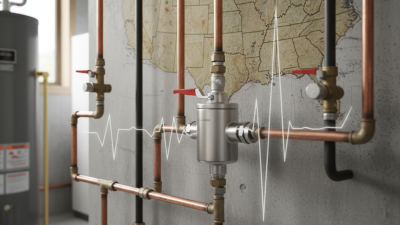
USGS seismic hazard maps estimate the likelihood of strong shaking, not the date or location of the next earthquake. The 2023 USGS National Seismic Hazard Model provides updated hazard estimates across the United States. One common map measure is a 2% probability of exceedance in 50 years. Maps are not forecasts. That distinction matters when selecting an earthquake gas shutoff valve.
For a home in a mapped high-hazard area, buyers can use local shaking estimates as a prompt to check valve activation sensitivity, pipe size, gas pressure, and installation requirements. A map does not specify which valve will suit a particular building. Soil conditions can change shaking at a property, and nearby faults may create risks that a broad regional view cannot resolve. It is easy to treat a color band as a complete answer. It is not.
Global buyers should not apply USGS categories directly to other countries. The model covers the United States; elsewhere, consult the relevant national seismic hazard data and local gas-system requirements. FEMA’s NEHRP Recommended Seismic Provisions explain how seismic design criteria connect hazard to building conditions, offering useful context for discussions with qualified local professionals. Confirm that a valve’s documented performance matches the intended gas system and installation. The map guides the questions; careful site review guides the choice.
How to Compare Certification, Installation, Reset, and Maintenance Requirements
2026 Best Earthquake Gas Shut Off Valve for Global Buyers?
How to Compare Certification, Installation, Reset, and Maintenance Requirements
An earthquake-actuated gas shutoff valve is not a universal fit. The USGS 2023 National Seismic Hazard Model estimates that nearly 75% of the United States could experience damaging shaking within a century. FEMA’s National Risk Index provides local hazard, exposure, and resilience data. Compare the installation site, not just the country. These models guide screening, but cannot predict damage to one building.
For certification, ask which standard and test scope cover the exact valve size, gas type, pressure, and seismic trigger. Verify the certificate with its issuing body and local gas authority. A logo alone is weak evidence. Not enough, by itself. Installation needs a stable, accessible location, correct flow direction, and a qualified gas professional. Pipe strain or poor support can affect performance, and requirements vary by jurisdiction.
Reset behavior matters. Some models require manual reset after shaking; others use different mechanisms. Who owns the reset? Ask who may restore service and what leak checks must happen first. Reopening the valve does not prove the line is safe. Maintenance should include checks for corrosion, movement, blocked access, and damaged fittings, following the manufacturer’s schedule. A site assessment may still reveal details that hazard maps miss.