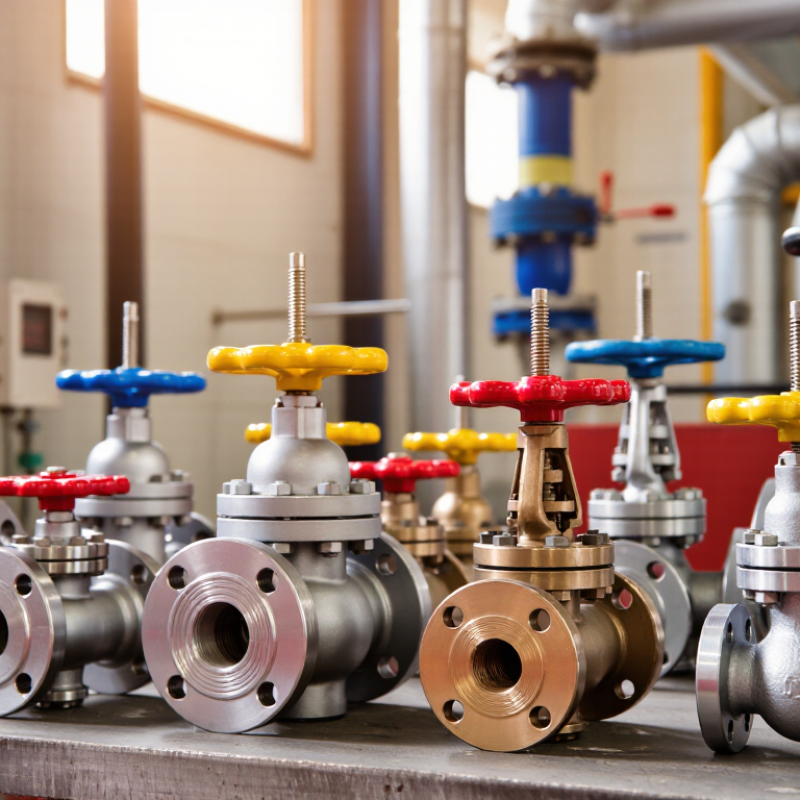
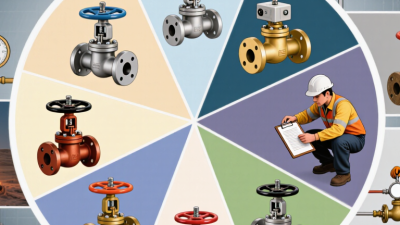
A shut off valve may look like a small component, but its performance can affect maintenance time, process stability, and equipment protection. For industrial buyers, choosing one involves more than comparing prices or connection sizes. The fluid, operating pressure, temperature range, flow requirements, and installation environment all matter. A valve suited to clean water may not suit a corrosive chemical or a line carrying abrasive particles. Details count.
This guide reviews ten options through practical purchasing criteria, including valve type, body and seal materials, pressure ratings, actuation, maintenance needs, and available technical documentation. It also considers how easily each option fits an existing system. Check the manufacturer’s data against actual operating conditions, and confirm dimensions before ordering. A catalog rating alone may not tell the whole story. Installation, cycling frequency, and the consequences of leakage deserve attention too. Some trade-offs are unavoidable: a compact design may simplify installation but limit service access. The best choice depends on the job, not a universal ranking. That is worth remembering. Product specifications can change, and published information may not capture every site condition. Use the comparisons as a starting point, then verify critical details with the supplier or a qualified engineer. A careful review now can prevent a frustrating mismatch later.
Industrial shut-off valves isolate equipment, pipe sections, or process lines when maintenance or an emergency requires flow to stop. They also support routine process changes, such as directing water or steam through a different branch. A valve’s job is dependable isolation, not automatically precise flow control. Using a shut-off valve partly open for throttling can cause wear or unstable flow if its design does not support that duty. That matters.
The U.S. Department of Energy’s Improving Pumping System Performance: A Sourcebook for Industry reports that pumping systems account for nearly 20% of global electricity demand. This figure describes pumps, not valves, but it shows why sound flow-system design matters. For buyers, the practical questions include fluid type, operating pressure and temperature, connection size, and how often the valve will cycle. A small handwheel may be fine for an accessible water line; a remote or hard-to-reach line may need powered operation. Check the specified seat-leakage performance and the manufacturer’s test documentation. Also confirm the valve’s material compatibility with the process fluid. One imperfect detail: line tags and drawings can become outdated, so verify the actual installation before selecting a replacement.
Shut-off valve design affects isolation speed, pressure loss, maintenance, and how well a line handles solids. A gate valve opens a straight passage with little obstruction, making it useful for full-bore isolation. It is slow to operate and performs poorly when partly open. A globe valve offers more controlled flow, but its curved path creates greater pressure loss. That difference matters. The U.S. Department of Energy’s Improving Pumping System Performance sourcebook reports that pumping systems can consume 25–50% of the electricity used in some industrial facilities; unnecessary throttling can add to operating costs.
Ball valves turn quickly and commonly provide tight shutoff, but seat materials must suit the fluid, temperature, and cycling frequency. Butterfly valves are compact and lighter on large pipes, though the disc remains in the flow path. Plug valves handle some dirty services well, but operating torque and sealing wear deserve attention. Diaphragm designs isolate process fluid from moving parts, which can help with corrosive or hygienic duties; pressure and temperature limits still apply.
Selection tables can make these choices look cleaner than they are. In the field, a small amount of grit, a poorly aligned actuator, or infrequent operation can change performance. Check the pressure drop at actual flow, not just nominal pipe size. Also verify seat compatibility and required shutoff class against the process conditions.
Industrial buyers need shut-off valves that match the fluid, pressure, temperature, and maintenance schedule. A gate valve offers a clear, nearly unrestricted path when fully open, but it is not ideal for frequent throttling. Globe valves provide more controlled flow and are easier to regulate. Ball valves close quickly with a quarter-turn, while butterfly valves save space in large pipelines. Quick is not always gentle; sudden closure can create pressure surges.
Plug valves suit applications where a simple quarter-turn closure is useful. Diaphragm valves isolate the mechanism from corrosive or contaminated media. Pinch valves handle slurries and fluids with suspended solids, though the sleeve eventually wears. Knife gate valves are built for thick fluids and solids. Needle valves allow fine adjustment in small lines, but are generally too restrictive for large flows. Bellows-sealed valves can reduce leakage around the stem in demanding service. Each has limits.
Before purchasing, check the valve’s pressure and temperature ratings, body and seal materials, connection type, and expected cycle frequency. Match these details to the actual process, not just a catalog description. Ask how parts are replaced and whether maintenance can be done without removing the valve. A valve can look right on paper and still be awkward to service. Consider that early.
Selecting a shut-off valve starts with the actual duty, not the catalog photo. Record the fluid, pressure, temperature, flow rate, and how often operators need isolation. Check whether the fluid carries grit, corrodes metal, or thickens when cold. These details can change the suitable body material, seal, and valve style. A valve that fits the pipe may still restrict flow or wear quickly. Small detail. Big consequence.
The U.S. Department of Energy’s Improving Pumping System Performance sourcebook reports that pumping systems use nearly 20% of the world’s electrical energy, and 25–50% of energy in some industrial operations. That figure covers whole systems, not valves alone. Still, it is a useful reminder: unnecessary pressure loss deserves attention. Compare flow capacity and pressure drop at expected operating conditions, then confirm the valve’s pressure and temperature ratings. Consider access for inspection, replacement seals, and the space needed to operate the handle or actuator. I would not treat this as a neat checklist; real systems change, and assumptions about clean fluid or steady demand often prove wrong. Check the manufacturer’s technical documentation and applicable industry standards before specifying the final valve.
| Valve Type | Shutoff Performance | Suitable Services | Operating Conditions to Consider | Main Advantages | Limitations and Selection Notes |
|---|---|---|---|---|---|
| Gate valve | Designed primarily for fully open or fully closed service; generally offers low flow resistance when fully open. | Water, steam, oil, gas, and other compatible fluids in isolation duties. | Available across a wide range of sizes, pressure classes, materials, and temperature ranges. Confirm the exact design and pressure-temperature rating. | Suitable for many general isolation applications and larger line sizes. | Slow to operate and not recommended for throttling; partially open operation can cause vibration, wear, and seat damage. |
| Globe valve | Can provide reliable shutoff and is also suitable for regulating flow in many designs. | Steam, water, thermal fluids, and process lines where flow adjustment is needed. | Choose body and trim materials for the fluid, temperature, pressure, and corrosion conditions. Flow direction may be design-specific. | Good controllability and accessible seating surfaces in many designs. | Creates more pressure drop than a straight-through gate or ball valve; verify flow direction and actuator requirements. |
| Soft-seated ball valve | Typically provides tight shutoff when correctly selected and maintained. | Clean liquids and gases, utilities, and compatible process fluids. | Seat material sets important temperature and chemical-compatibility limits. Check pressure class, fire-safe requirements, and cavity design. | Quarter-turn operation, compact flow path, and fast isolation. | Soft seats can be damaged by abrasive particles, excessive heat, or incompatible chemicals; not every design is suitable for throttling. |
| Metal-seated ball valve | Designed for demanding shutoff duties; leakage performance depends on seat design, materials, and applicable test standard. | Hot, abrasive, or erosive process services where soft seats may be unsuitable. | Check the specified temperature and pressure limits, surface treatment, solids content, and required leakage class. | Can tolerate conditions that may damage polymer seats and is available in specialized high-temperature designs. | Usually costs more and may have higher operating torque; do not assume bubble-tight shutoff unless the specification confirms it. |
| Resilient-seated butterfly valve | Often provides tight shutoff in compatible, relatively clean services. | Water, wastewater, HVAC, and general utility pipelines, especially at larger diameters. | Confirm liner compatibility, temperature limits, pressure rating, and whether the design is suitable for the required end-of-line service. | Lightweight, compact, and typically economical for large line sizes; quarter-turn operation. | The disc remains in the flow path and creates some obstruction; liner limitations can restrict temperature and chemical service. |
| High-performance butterfly valve | Offset-disc designs can provide dependable isolation; shutoff capability varies with seat construction and specification. | Process and utility services requiring a compact quarter-turn valve across a broad range of line sizes. | Evaluate seat materials, pressure-temperature rating, fire-safe needs, flow direction, and actuator torque. Triple-offset designs are often selected for demanding metal-seated service. | More compact and lighter than many multi-turn alternatives; can suit higher-pressure duties than basic resilient-seated designs. | Performance is design-specific; verify leakage class and suitability for solids, cycling frequency, and throttling duty. |
| Plug valve | Quarter-turn isolation; lubricated and sleeved designs have different sealing and maintenance characteristics. | Compatible liquids and gases, including some services with suspended solids, depending on design. | Check lubricant or sleeve compatibility, operating torque, pressure rating, and whether the valve is lubricated, sleeved, or non-lubricated. | Quick operation and a relatively direct flow path in many full-port designs. | Operating torque can be high; some designs need periodic lubrication or maintenance, and solids handling varies by construction. |
| Diaphragm valve | Provides shutoff by pressing a flexible diaphragm against a weir or seat. | Corrosive, contaminated, viscous, or high-purity fluids when the wetted materials are compatible. | Select diaphragm material for chemical compatibility, temperature, pressure, and cycle life; review vacuum and sterilization requirements where relevant. | The operating mechanism can be isolated from the process fluid, helping limit leakage paths to the atmosphere. | Diaphragms are wear components and have finite service life; pressure and temperature limits are often governed by the diaphragm material. |
| Pinch valve | Shuts off by compressing an elastomer sleeve; performance depends on sleeve condition and actuator design. | Slurries, powders in suitable systems, wastewater, and fluids containing suspended solids. | Check sleeve compatibility, temperature, pressure, abrasion resistance, and required closing force. | The sleeve can isolate the process from moving valve parts and may handle solids without a conventional seat cavity. | The sleeve is a consumable component; pressure and temperature capability can be limited compared with metal-bodied valve designs. |
| Knife gate valve | Provides isolation in many slurry and solids-handling applications; leakage performance depends on seat and gate design. | Slurries, pulp, wastewater, and services with suspended solids where a thin gate is useful. | Specify slurry concentration, particle size, pressure, seat style, and whether the valve must seal in one or both directions. | Designed to pass or cut through certain solids-laden media; available in compact patterns for large lines. | Not a universal substitute for a general-purpose pressure-rated isolation valve; confirm pressure limits and shutoff requirements for the specific design. |

Selection note: These are common valve types, not a universal ranking. Final suitability depends on the fluid, solids content, operating and design pressure, temperature, corrosion and erosion risks, required leakage limit, piping arrangement, actuation method, and applicable codes. Confirm ratings and test requirements in the specific valve documentation before purchase.
Industrial shut-off valves only isolate equipment reliably when installed without pipe strain. Check the pressure-temperature rating, process medium, flow direction, and end connection before fitting. Keep the stem accessible. Support adjoining pipe independently; a heavy valve should not carry the line’s weight. After installation, cycle the valve slowly and inspect joints under operating conditions. Record baseline operating effort for later comparison.
During routine rounds, look for packing seepage, corrosion, vibration, damaged handwheels, and incomplete travel. Confirm the valve reaches its marked open and closed positions; do not infer shutoff from handle position alone. Follow the site’s isolation procedure, verify zero energy, and check downstream pressure before maintenance. API 598 and ISO 5208 provide established pressure-test frameworks, but the test must suit the valve type and service.
System context matters. The U.S. Department of Energy’s Improving Compressed Air System Performance sourcebook reports that leaks can waste 20–30% of compressor output in typical industrial systems. That figure covers system leakage, not valves alone, yet poor isolation can complicate leak surveys and prolong losses. Document inspection intervals, compare findings over time, and check stem condition and alignment before replacing seals. Some records will be incomplete; revisit them.
© Copyright 2025 | LittleFirefighter.com | All Rights Reserved | 1EZ Creative: Orange County Web Design
Fusce ut ipsum tincidunt, porta nisl sollicitudin, vulputate nunc. Cras commodo leo ac nunc convallis ets efficitur.

12345 North Main Street,
New York, NY 555555
1.800.555.6789
sale@vibrotools.com