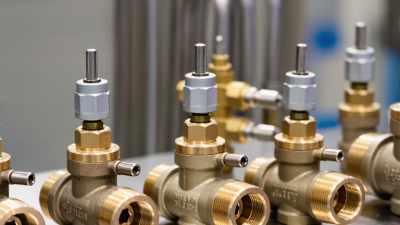
Selecting a dependable natural gas shut off valve supplier requires more than comparing product catalogs or global visibility. Performance depends on pressure class, gas composition, temperature range, valve materials, and installation conditions. A valve that works well in a dry distribution network may perform differently in a cold, high-pressure pipeline. This guide reviews ten leading suppliers worldwide through practical and technical criteria.
The assessment considers product quality, manufacturing experience, testing procedures, certifications, traceability, delivery capability, and after-sales support. It also examines whether suppliers provide clear specifications for emergency isolation, manual operation, actuated control, and underground or above-ground installation. Details matter, including stainless-steel stems, fire-safe designs, leak testing, and corrosion-resistant coatings. Small differences can affect safety and maintenance costs.
No ranking can represent every project perfectly. Site conditions vary. Supplier information may also change with time, regional availability, or product updates. Buyers should verify current certificates, pressure ratings, material records, and service coverage before placing an order. Interviews with engineers, distributors, and maintenance teams can reveal practical issues that brochures often miss. In some cases, a less famous supplier may offer stronger technical support or faster replacement parts. That possibility deserves attention.
The following overview is intended to support informed comparison, not replace professional engineering judgment. Each supplier should be evaluated against the project’s applicable standards, operating risks, and lifecycle requirements. Reliable selection begins with evidence, careful questions, and realistic expectations.
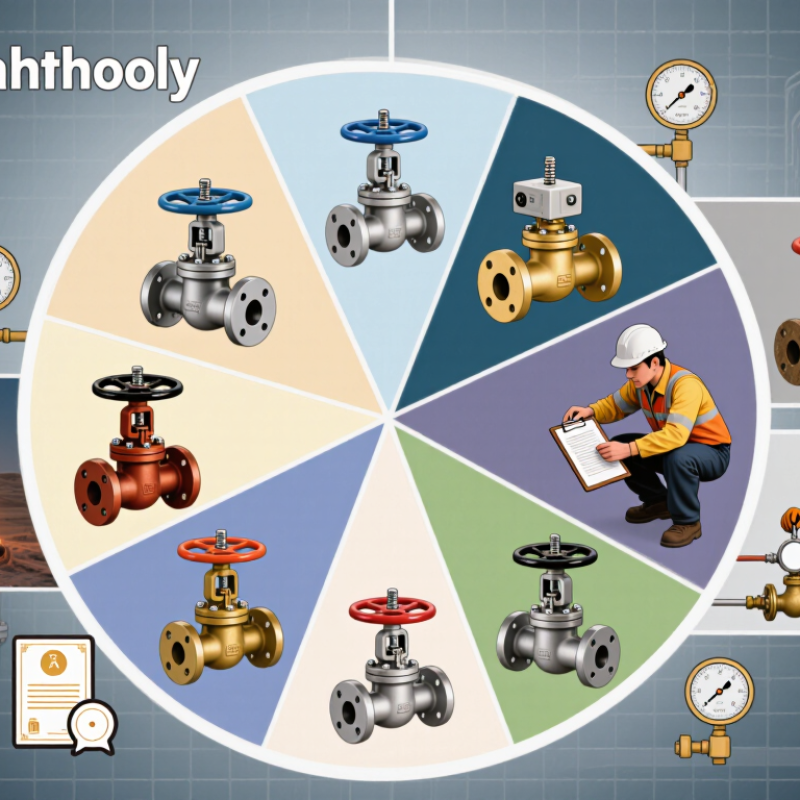
The top ten suppliers are ranked through 2025 industry data, not visibility alone. The review considers verified shipment volume, project references, product range, delivery consistency, and documented quality systems. Strong suppliers support residential networks, commercial facilities, and high-pressure transmission projects with clearly rated shut-off valves.
Field experience shows that specifications matter more than polished catalogs. Buyers should check pressure ratings, temperature limits, connection types, actuator compatibility, and emergency closure performance.
Traceable materials and batch records also reduce uncertainty during installation. Responsive technical teams can prevent costly errors when pipeline layouts change.
Public data often combines different market segments and reporting methods. Some suppliers disclose failure rates and testing procedures, while others provide limited operational evidence. For that reason, the 2025 list should be treated as a practical comparison, not an absolute judgment. Independent inspection, sample testing, and customer references remain valuable before purchase. Suppliers with stable lead times, regional service capacity, and clear warranty terms generally offer stronger long-term value. Small details matter, such as protective packaging around stem seals or readable flow-direction markings. These features rarely attract attention, yet they influence maintenance work months later.
The top natural gas shut-off valve suppliers serve different engineering needs, from household meters to high-pressure transmission lines. Their product ranges commonly include ball valves, gate valves, globe valves, emergency shut-off valves, and actuated assemblies. Buyers should examine body materials, pressure classes, temperature ratings, seal design, and available connection types. Small details matter.
Supplier coverage varies by region. Some manufacturers support projects across North America and Europe, while others focus on the Middle East, Asia-Pacific, Africa, or Latin America. International suppliers often provide regional distributors, technical documentation, replacement parts, and field service. Country coverage should be verified for each project, not assumed from a website map. Delivery support can differ sharply between urban gas networks and remote pipeline sites.
Gas-flow applications also separate these suppliers. Ball valves suit fast isolation in distribution stations and industrial burners. Gate valves are common on large pipelines where low pressure loss matters. Globe valves support throttling, although they may not be ideal for every shut-off duty. Actuated valves help control compressor stations, storage facilities, and unattended installations. Manual options remain useful in smaller plants. On-site experience exposes weaknesses that catalog sheets miss. A valve may meet pressure requirements yet perform poorly with contamination, vibration, or repeated cycling. Supplier evaluations should include test records, maintenance guidance, failure-response procedures, and traceable quality certificates. Some product claims appear impressive, but independent verification is still necessary.
Top 10 Natural Gas Shut Off Valve Suppliers Worldwide
Valve Performance Compared by API 6D, ASME B16.34, and ISO 15848
When comparing natural gas shut off valve suppliers, standards reveal different performance priorities. API 6D focuses on pipeline valve design, pressure testing, and functional reliability. It helps buyers assess whether a valve can isolate gas safely during operation. However, certification alone does not prove long-term field performance. Maintenance records and test evidence still matter.
ASME B16.34 establishes pressure-temperature ratings, materials, wall thickness, and testing requirements. A valve may meet the standard, yet still require careful sizing for low temperatures or rapid pressure changes. ISO 15848 examines fugitive emissions from valve stems and body joints. This detail becomes visible during inspection, especially around packing areas. Suppliers with clear emission test reports offer stronger evidence of process control. A perfect score on one standard is not enough.
Tips: Request current certificates, pressure-test records, and material traceability documents. Check the valve’s leakage class and cycle history. Ask how testing reflects your gas composition and operating temperature. Small details matter. Also, review service support before choosing a supplier. Standards guide the decision, but practical evidence should lead it.
Natural gas shut-off valve suppliers should be judged by pressure classes, temperature limits, materials, and actuation technologies—not catalog size. ASME B16.34 defines pressure-temperature ratings, while API 6D covers pipeline valve design and testing. Class 150 may suit lower-pressure transmission sections, but Class 600, 900, or 1500 is common in high-pressure systems. Class 2500 exists for severe service. A practical warning: the class number is not a temperature rating.
Carbon steel offers strength and cost efficiency for standard gas service. Stainless steel performs better against corrosion and contaminated gas streams. Low-temperature carbon steel is important near LNG facilities, where temperatures can approach -196°C. Elastomer selection also matters. A seal that performs well at 20°C may harden or lose resilience during rapid depressurization. That detail is easy to miss.
Actuation choices include pneumatic, electric, hydraulic, and electro-hydraulic systems. Pneumatic units usually provide fast emergency closure, while electric actuators offer precise positioning and simpler remote integration. Hydraulic systems deliver high torque in compact packages. The IEA Gas Market Report 2024 projected global gas demand growth of about 2.5% in 2024, increasing pressure on infrastructure reliability. Suppliers should therefore document cycle testing, leakage rates, fire-safe performance, and fail-close behavior. Specifications are rarely perfect on the first review. Temperature, gas composition, pressure cycling, and maintenance access must be checked together.
| Rank / Supplier Profile | Typical Valve Configuration | Common Pressure Classes | Typical Temperature Limits | Primary Body Materials | Trim and Sealing Materials | Actuation Technologies | Applicable Standards | Typical Natural Gas Applications |
|---|---|---|---|---|---|---|---|---|
| 1Pipeline Ball-Valve Specialist | Trunnion-mounted or floating ball valve Full-bore, reduced-bore, side-entry, or top-entry designs |
ASME Class 150 300 600 900 1500 | Approximately −46°C to +121°C, depending on body, seat, and elastomer selection | Carbon steel; low-temperature carbon steel; stainless steel; forged alloy steel | Stainless steel or nickel-plated trim; PTFE, RPTFE, PEEK, or elastomeric seats; graphite stem packing | Double-acting or spring-return pneumatic actuator; electric actuator; hydraulic actuator | API 6D, ASME B16.34, ISO 14313, ISO 15848 | Transmission pipelines, compressor stations, mainline isolation, emergency shutdown service |
| 2Low-Temperature Gas-Valve Specialist | Cryogenic or low-temperature ball valve Extended bonnet designs for cold-service operation |
ASME Class 150 300 600 | Approximately −196°C to +120°C for cryogenic configurations; higher limits require special materials | Austenitic stainless steel; low-temperature carbon steel; nickel-alloy components where required | PTFE, PCTFE, or engineered thermoplastic seats; graphite or PTFE-based packing; stainless trim | Pneumatic spring-return; electric; hydraulic; manual gearbox for smaller sizes | API 6D, BS 6364, ASME B16.34, ISO 15848 | Liquefied natural gas facilities, boil-off-gas lines, cold gas processing, low-temperature isolation |
| 3Forged-Body Valve Specialist | Forged floating or trunnion ball valve Compact construction for high-integrity isolation |
ASME Class 150 300 600 900 1500 2500 | Approximately −46°C to +200°C, subject to pressure-temperature rating and seal selection | Forged carbon steel; stainless steel; chrome-moly alloy steel | Metallic or resilient seats; 316 stainless steel trim; graphite packing; fire-safe secondary seals | Pneumatic, electric, hydraulic, or manual gearbox actuation | API 6D, API 607, ASME B16.34, NACE MR0175 / ISO 15156 where applicable | High-pressure gathering systems, wellhead facilities, gas processing, pipeline block valves |
| 4Compact Utility Gas-Valve Specialist | Threaded, flanged, or wafer-style ball valve Generally reduced-bore and compact designs |
ASME Class 150 300 600 | Approximately −29°C to +150°C for standard industrial gas-service configurations | Ductile iron for selected low-pressure services; carbon steel; stainless steel; brass for limited applications | PTFE or reinforced PTFE seats; NBR, FKM, or EPDM seals selected for gas compatibility | Quarter-turn pneumatic or electric actuator; direct manual lever or gearbox | ASME B16.34, API 608, ISO 5211, EN 161 or local gas-appliance requirements where applicable | Gas distribution, metering skids, industrial burners, packaged equipment, plant utility lines |
| 5Metal-Seated High-Temperature Specialist | Metal-seated trunnion ball valve Designed for abrasive, dirty, or elevated-temperature gas service |
ASME Class 300 600 900 1500 | Approximately −29°C to +260°C; specialty designs may exceed this range | Carbon steel; stainless steel; alloy steel; overlay-welded or coated internal surfaces | Carbide-coated or hard-faced seats; stainless trim; graphite packing and gaskets | Heavy-duty pneumatic; hydraulic; electric actuator; manual override gearbox | API 6D, ASME B16.34, API 607 or API 6FA, ISO 15848 | Gasification, sour-gas processing, high-temperature pipeline service, contaminated gas streams |
| 6Emergency Shutdown Valve Specialist | Fire-safe ball valve with fail-safe shutdown function Designed for rapid isolation and remote operation |
ASME Class 150 300 600 900 1500 | Approximately −46°C to +121°C for common resilient-seat designs | Carbon steel; low-temperature carbon steel; stainless steel; alloy steel | Fire-safe PTFE or PEEK seats; graphite packing; antistatic and blowout-proof stem arrangements | Spring-return pneumatic; gas-over-oil hydraulic; electro-hydraulic; electric with fail-safe module | API 6D, API 607, API 6FA, IEC 61508, IEC 61511, ISO 13849 where applicable | Emergency isolation, LNG terminals, compressor stations, processing plants, custody-transfer skids |
| 7Pipeline Check-and-Isolation Specialist | Combined isolation and check-valve solutions Ball, axial, or swing-check configurations used with shutoff valves |
ASME Class 150 300 600 900 1500 | Approximately −46°C to +121°C for standard pipeline materials | Carbon steel; stainless steel; ductile iron in selected lower-pressure services | Stainless steel trim; PTFE, PEEK, or metal seats; graphite or low-emission packing | Pneumatic, hydraulic, electric, or manual operation; actuatorized check-valve packages | API 6D, API 594, ASME B16.34, ISO 14313 | Compressor discharge lines, reverse-flow prevention, pipeline isolation, gas storage facilities |
| 8Severe-Service Gas-Valve Specialist | High-integrity ball or plug valve Anti-static, double-block-and-bleed, and cavity-relief options |
ASME Class 600 900 1500 2500 | Approximately −46°C to +200°C, depending on seat technology and pressure class | Forged alloy steel; stainless steel; nickel-alloy or corrosion-resistant overlays | PEEK, metal, or reinforced PTFE seats; tungsten-carbide or nickel-alloy coatings; graphite packing | High-torque pneumatic; hydraulic; electric actuator; manual override | API 6D, ASME B16.34, API 608, API 607, NACE MR0175 / ISO 15156 where required | High-pressure gas gathering, sour gas, gas storage, processing units, difficult isolation duties |
| 9Low-Emission Valve Specialist | Low-fugitive-emission ball or gate valve Designed for monitored stem and body-joint emissions |
ASME Class 150 300 600 900 | Approximately −46°C to +180°C for graphite-based packing systems | Carbon steel; stainless steel; low-temperature carbon steel; alloy steel | Graphite, PTFE, or engineered low-emission packing; stainless steel trim; fire-safe body seals | Pneumatic; electric; hydraulic; manual gearbox or lever for smaller sizes | ISO 15848-1, ISO 15848-2, API 624, API 641, API 6D, ASME B16.34 | Gas processing, compressor stations, methane-emission reduction programs, regulated facilities |
| 10Automated Gas-Distribution Valve Specialist | Quarter-turn automated ball valve Integrated actuator, position feedback, and remote-control options |
ASME Class 150 300 600 900 | Approximately −29°C to +150°C for common distribution and industrial gas packages | Carbon steel; ductile iron; stainless steel; aluminum actuator housings | PTFE, RPTFE, or elastomer seats; NBR, FKM, or EPDM seals; stainless stem components | Electric actuator; pneumatic spring-return; pneumatic double-acting; solenoid-controlled packages | API 608, ASME B16.34, ISO 5211, IEC 60534 control and instrumentation interfaces where applicable | City-gas networks, pressure-regulating stations, gas metering, remote pipeline isolation, industrial plants |
Top 10 Natural Gas Shut Off Valve Suppliers Worldwide
Certification should be the first filter, not the final decision. Verify API 6D, API 641, ISO 15848, or equivalent documents for the intended service. Check pressure class, temperature range, fire testing, and material traceability. A certificate without a matching valve configuration proves little. The International Energy Agency reported nearly 120 million tonnes of methane emissions from energy operations in 2023. Small leaks matter.
Leakage rate needs measurable evidence. Ask for test procedures, acceptance limits, and test records for the exact model. ISO 15848 classifications can help compare fugitive-emission performance, while production testing may reveal assembly weaknesses. Inspect stem seals, body joints, and emergency shutoff response. Field conditions are harsher than laboratories. Sometimes, specifications look excellent on paper.
Lead time should include engineering approval, inspection, testing, shipping, and spare parts. Request a dated production schedule, not a verbal promise. Lifecycle cost deserves equal attention. The World Bank’s Global Gas Flaring Tracker Report shows that gas losses remain a major industry concern, making leakage prevention financially relevant. Compare purchase price, energy loss, maintenance intervals, replacement seals, downtime, and disposal costs. I would still challenge my own ranking. The cheapest valve may become the most expensive component after one failed shutdown.
© Copyright 2025 | LittleFirefighter.com | All Rights Reserved | 1EZ Creative: Orange County Web Design

Fusce ut ipsum tincidunt, porta nisl sollicitudin, vulputate nunc. Cras commodo leo ac nunc convallis ets efficitur.

12345 North Main Street,
New York, NY 555555
1.800.555.6789
sale@vibrotools.com