7 Tips for Choosing an Automatic Shut Off Valve

A dependable automatic shut off valve can limit water damage, but choosing one takes more than comparing price tags. Picture a slow leak beneath a kitchen sink: water reaches the cabinet floor, while a correctly selected sensor may detect it and trigger the valve. The right choice depends on where the valve will be installed, which pipe it must fit, and how the system detects a leak. Small details matter.

This guide examines seven practical checks, including valve compatibility, sensor placement, power needs, response time, installation requirements, maintenance, and clear product documentation. A valve that looks robust may still be unsuitable for a particular plumbing layout. Sensors also need sensible placement; a device tucked behind stored boxes may miss the first drops. Check the manufacturer’s specifications, confirm how the unit behaves during a power interruption, and plan periodic testing. Real installations can be messy, and no device removes every risk.

Expert guidance would strengthen advice on sizing and installation, but no verifiable expert name or quotation was provided for this request. Rather than invent an attribution, this introduction leaves that claim out. Use the seven tips as a careful starting point, then confirm product details with the manufacturer or a qualified plumbing professional. A little skepticism helps.
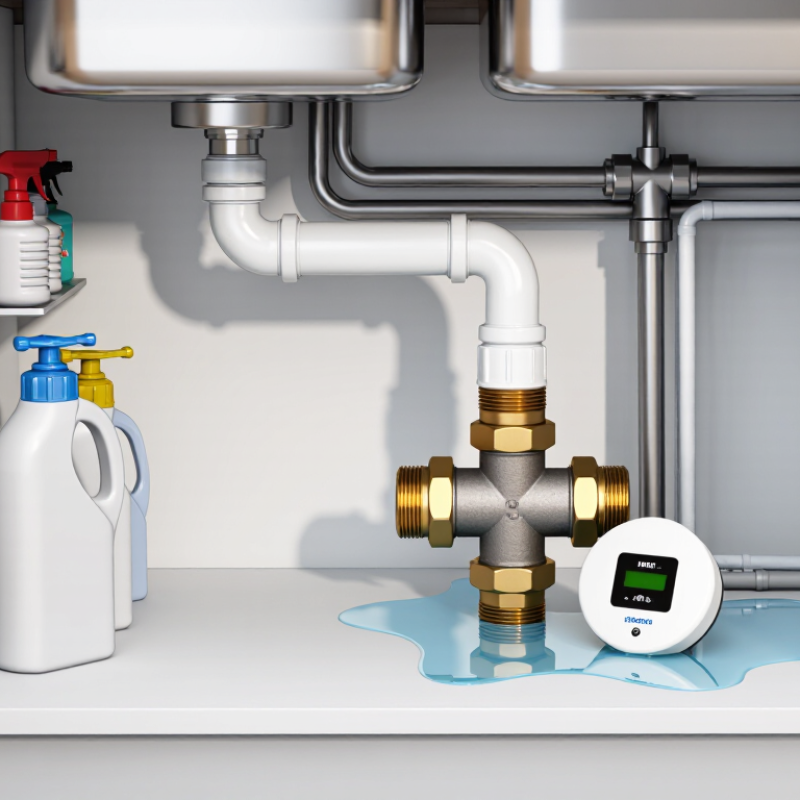
7 Tips for Choosing an Automatic Shut Off Valve

Understand the System and the Shutoff Valve’s Purpose

Before choosing an automatic shutoff valve, identify what it will control: potable water, a heating circuit, or another system. These are not interchangeable. Note the pipe material, diameter, normal pressure, flow direction, and whether the valve must close during a leak, equipment fault, or power loss. A valve can be correctly sized and still solve the wrong problem.

Clarify the purpose in practical terms. Is the goal to stop a burst pipe while nobody is home, limit damage beneath a sink, or isolate equipment for maintenance? The U.S. Environmental Protection Agency’s WaterSense program reports that household leaks waste nearly 10,000 gallons of water annually on average; some homes lose far more. That makes leak detection useful, but a shutoff valve only helps when its sensors cover likely trouble spots and its controls can close the correct supply line.

Check system compatibility before comparing features. Confirm operating pressure and temperature against the valve’s published specifications, and consider how it behaves during a power outage. The Insurance Information Institute, using ISO data, reported that water damage and freezing accounted for 23.7% of homeowners’ claims from 2018 to 2022, with an average claim of $12,514. Those figures describe insured losses, not guaranteed savings from a valve. I would also verify manual operation; it is easy to overlook until the device actually needs attention.


Choose a Valve Type Suited to the Application

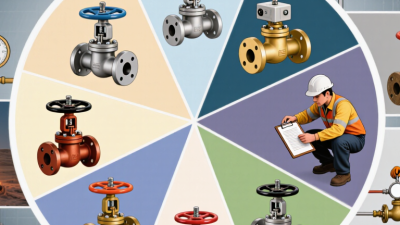
An automatic shutoff valve should match the fluid, pipe size, operating pressure, and failure risk—not just the sensor. For a household water main, a motorized ball valve is often practical because it can isolate the full line and reopen after inspection. A solenoid valve can respond quickly on smaller branches, but check its duty cycle and flow capacity. For gas service, use only a valve specifically rated for that fuel and system; water valves are not interchangeable.

The scale of leakage is worth considering. The U.S. Environmental Protection Agency estimates that household leaks waste nearly 1 trillion gallons of water nationwide each year. That makes leak detection useful, but the valve still needs to suit the plumbing layout. Match its connection size and pressure rating, and confirm that sensors can reach likely leak points, such as beneath a sink or beside a water heater. Small details matter.

A fast closure sounds ideal. It can also cause water hammer, so closure speed deserves attention, especially on long pipe runs. Check what happens during a power outage: does the valve close, stay open, or require manual reset? The Insurance Information Institute reports that water damage and freezing account for about one in five homeowners’ insurance claims. Still, a shutoff valve is not a substitute for sound installation or routine testing. I would not choose by speed alone.

Check Size, Materials, Pressure, and Temperature Ratings

Before buying an automatic shut-off valve, confirm the pipe’s nominal size and connection type. Measure the pipe, then check its markings; outside diameter alone can mislead. A valve that fits but constricts flow may leave showers weak or appliances slow to fill. Check the product’s flow capacity against the fixture or branch it will serve. Small detail. It matters.

Pressure needs a real measurement, not a guess. Record both static pressure and pressure while water is running, since they can differ. The 2021 International Plumbing Code identifies 80 psi as the threshold above which a pressure-reducing valve is required in covered installations; local rules and editions vary. For temperature, compare the valve’s stated operating range with the coldest and hottest water expected at that location. ASME B16.34 pressure-temperature rating tables show why ratings must be checked together: allowable pressure depends on material and temperature. Do not assume a higher temperature rating means the same pressure capacity. Also verify seals and body materials suit the fluid and environment. A basement valve may face damp air, while a hot-water line brings greater thermal stress. Recheck the specification sheet; product labels can be easy to misread.

7 Tips for Choosing an Automatic Shut-Off Valve: Check Size, Materials, Pressure, and Temperature Ratings

Tip 1: Match the valve connection to the pipe size. This chart shows nominal pipe size (NPS) and the corresponding standard outside diameter for common steel pipe sizes. Pipe outside diameter is not the same as the valve’s port diameter, so verify connection type and dimensions before ordering.

Outside-diameter values are approximate standard dimensions for steel pipe. Always confirm the valve’s connection specifications and the requirements of your installation.

Compare Sensors, Controls, and Power Requirements

An automatic shut-off valve is only as useful as the signal that triggers it. Leak sensors placed near a water heater, sink, or washing machine can detect water at specific points. Flow-monitoring systems look for unusual water use across a supply line. They may catch hidden leaks, but normal habits can sometimes look unusual to a sensor. Match coverage to the plumbing layout, not just the advertised detection range. Placement matters.

Controls determine what happens after detection. Check whether the valve closes automatically, sounds an alarm, or sends a notification. A clear manual override is valuable when a sensor gets wet during cleaning or a false alarm occurs. Look for a straightforward way to test the system and reopen the valve. Simple is good. I would not assume every household needs remote controls; a phone alert is less helpful if nobody sees it.

Power needs deserve equal attention. Some valves use household power, while others rely on batteries or include backup power. Ask how the valve behaves during an outage, and check battery life and replacement access. A hard-to-reach battery compartment can turn routine maintenance into a chore. Read the installation requirements too, since some setups need a nearby outlet or professional plumbing work. No option is perfect; choose the trade-offs you can maintain.

Verify Installation, Maintenance, and Safety Standards

An automatic shut-off valve should match the hazard, the pipework, and the way people use the space. A water-leak valve, for example, may rely on sensors near a washing machine or water heater. Check the pipe size, pressure range, power source, and shut-off method before buying. Small mismatches can cause trouble later.

Tip 1: Confirm that the valve suits the fluid and system. Tip 2: Check whether a licensed professional should install it. Tip 3: Follow the installation instructions and applicable local codes. Tip 4: Keep sensors where leaks can reach them, not behind stored boxes. Tip 5: Ask how often the valve needs testing. Tip 6: Find out how batteries, seals, or sensors are replaced. Tip 7: Verify safety certifications against the standards required in your area.

After installation, test the shut-off and reset functions using the maker’s stated procedure. Record the date, result, and any maintenance performed. Look for corrosion, damp connectors, or a sensor that has shifted from its intended spot. A test is useful only if the valve can close the correct line and reopen safely. Requirements differ by location and application, so verify them with local authorities or a qualified installer. A checklist helps, but it can still miss a detail. Don’t assume.

7 Tips for Choosing an Automatic Shut Off Valve - Verify Installation, Maintenance, and Safety Standards

No. Selection Tip What to Verify Practical Check Safety Consideration
1 Define the fluid and purpose Confirm whether the valve is for potable water, a hydronic system, irrigation, or fuel gas, and identify the event that should trigger shutoff. Match the valve’s stated service, fluid compatibility, temperature range, and operating pressure to the installation. A valve approved for one service is not automatically suitable for another. Use fuel-gas equipment only where its listing and instructions permit.
2 Check flow and pressure requirements Compare pipe size, normal flow rate, maximum working pressure, and the pressure drop across the valve. Use the manufacturer’s flow or sizing data; check both normal demand and the system’s maximum pressure. An undersized valve can restrict flow. Never exceed the marked pressure or temperature limits, and account for pressure surges where relevant.
3 Choose the right trigger and response Determine whether shutoff is triggered by a leak sensor, abnormal flow, temperature, pressure, or another monitored condition. Check sensor coverage, detection limits, response time, reset method, and whether the system closes automatically after power loss. Understand fail-safe behavior and alarm functions. Do not rely on an automatic valve as the only protection where a hazard assessment calls for additional safeguards.
4 Verify materials and applicable standards Review wetted materials, seals, electrical ratings, and certifications applicable to the exact valve type and service. For drinking-water components, check applicable local requirements and relevant certifications such as NSF/ANSI/CAN 61 and NSF/ANSI/CAN 372. For electrically operated valves, verify any listing required by local code and the application. Certification scope matters: confirm the exact model, service, and installation conditions. A general certification does not establish suitability for every system.
5 Plan a code-compliant installation Check local plumbing, electrical, building, or fuel-gas codes, along with the valve’s installation instructions. Confirm flow direction, orientation, shutoff access, required clearances, wiring, and whether a qualified installer or permit is required. Isolate the system and relieve pressure before installation. Follow electrical isolation procedures and never modify a fuel-gas installation contrary to code or the equipment instructions.
6 Assess power and backup needs Identify the required voltage, power source, standby consumption, battery type, and behavior during an outage. Check battery replacement intervals, low-battery warnings, backup duration, and whether the valve can be tested without causing an unintended shutdown. Keep electrical components suitable for their location and protected as required by local electrical rules. Test backup power according to the instructions.
7 Confirm maintenance and testability Review inspection, cleaning, sensor testing, battery replacement, and service procedures before purchase. Choose a unit with accessible test controls and available documentation; record the installation date and follow the stated inspection schedule. Periodically verify that the sensor detects its intended condition and that the valve closes and reopens correctly. Arrange qualified service if it sticks, leaks, or fails a test.

Note: Requirements vary by jurisdiction and application. Confirm current local codes, product documentation, and certification scope before purchasing or installing a valve.

AVADA IT

Fusce ut ipsum tincidunt, porta nisl sollicitudin, vulputate nunc. Cras commodo leo ac nunc convallis ets efficitur.

RECENT TWEETS

CONTACT US

  • 12345 North Main Street,
    New York, NY 555555

  • 1.800.555.6789

  • sale@vibrotools.com

Go to Top