A gas earthquake valve is designed to stop gas flow when strong shaking is detected. It can help reduce the chance that a damaged gas line continues feeding a leak after an earthquake. That matters in a home where a stove, furnace, or water heater may still be connected to the supply. A small, unseen leak can become a serious hazard. The valve is not a substitute for sound piping or safe repairs.
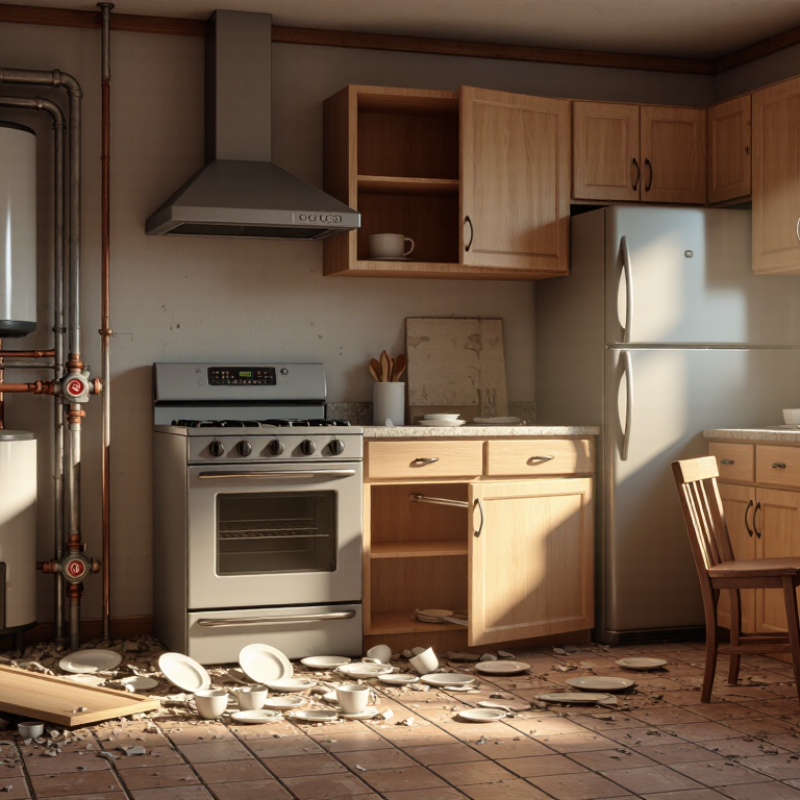
Picture a kitchen after a quake: a cupboard door hangs open, dishes lie across the floor, and the smell of gas may be difficult to notice amid dust and confusion. A properly selected and installed gas earthquake valve can provide an automatic shutoff in certain conditions. Its performance depends on the model, installation location, pipe arrangement, and level of movement. Not every tremor will trigger every valve, and the device cannot prevent all gas-related damage. Those details are easy to overlook.
This guide explains why homeowners consider a gas earthquake valve, how the basic mechanism works, and what to check before installation. A licensed, qualified gas professional should assess the piping and confirm that the device is compatible with the system. After a shutoff, do not assume the supply can simply be turned back on. Follow the valve manufacturer’s instructions and local emergency guidance, and have the system checked if damage or a gas odor is present. A valve is useful protection. It is not a complete safety plan.
A gas earthquake valve is a mechanical safety device fitted to a building’s gas supply line, usually near the meter. When strong ground motion moves its internal ball or sensor, the valve closes and stops gas from flowing into the property. That matters because a damaged pipe or appliance connection can release fuel into rooms where a pilot light, switch, or spark may ignite it. Not a force field. The valve does not detect every earthquake, prevent structural damage, or shut off electricity and water.
The U.S. Geological Survey’s Earthquake Facts and Statistics reports an average of about 16 magnitude 7.0–7.9 earthquakes worldwide each year, based on long-term records. That global figure cannot predict local risk, but it shows why shaking is a practical safety consideration. After a valve trips, gas service should remain off until the system and appliances have been checked by a qualified professional; reopening it without inspection can be unsafe. Installation details matter, too: the device must suit the gas line and be positioned according to its specifications. A valve can add protection, but it is only one part of household earthquake preparation.
How Does a Gas Earthquake Valve Detect Seismic Movement?
Why Do You Need a Gas Earthquake Valve?
A gas earthquake valve helps limit the risk of fire after strong shaking damages a gas line. Many models use a small steel ball resting in a shaped seat. During significant movement, the ball shifts from its normal position and trips an internal shutoff mechanism. Gas flow stops. The exact design and activation threshold vary by valve, so not every tremor will cause a shutoff.
This response is mechanical, not electronic. The valve does not need power or a signal from an earthquake sensor. Its movement-sensitive parts react to the direction and force of shaking; ordinary bumps may not trigger them. That sounds simple, but the mechanism cannot tell whether a pipe is damaged. A valve may close even when the gas line is intact, or shaking may occur without visible damage. After activation, do not force it open. Have the installation and gas system checked by a qualified professional before restoring service.
Tips: Keep the valve accessible, and know where it is located. If you smell gas, leave the area without operating switches or flames, then contact your gas utility or emergency services from a safe location. A brief practice walk-through can help, though it is easy to forget details; review the steps occasionally.
Why Do You Need a Gas Earthquake Valve?
How Does a Gas Earthquake Valve Detect Seismic Movement?
The chart illustrates how a seismic sensor can compare measured ground acceleration with a trigger level. If shaking meets a valve’s activation criteria, the valve shuts off gas flow to help reduce the risk of fire or gas leaks. The trace and threshold are illustrative; actual trigger settings vary by valve model and installation.
How Does the Valve Help Reduce Gas-Related Hazards?
A gas earthquake valve helps limit one serious risk after strong shaking: an undetected gas leak. A quake can shift a water heater, damage a connector, or strain a pipe behind a wall. If the valve senses movement beyond its set threshold, it closes the gas supply. That interruption can reduce the chance that escaping gas reaches a pilot flame, damaged wiring, or another ignition source.
It is a safeguard, not a guarantee. The valve cannot prevent every leak, and it does not protect electrical or structural systems. Placement and compatibility matter, so a qualified gas professional should select and install it, then verify that the system works as intended. Small details matter here. After an activation, do not force the valve open or assume the line is safe. If you smell gas or hear hissing, leave the building and contact emergency services or the gas utility from a safe location. Even when no warning signs appear, arranging an inspection after a significant quake is a prudent step. A valve can buy protection, but it cannot replace careful checks.
Where Should a Gas Earthquake Valve Be Installed?
Why Do You Need a Gas Earthquake Valve?
Where Should a Gas Earthquake Valve Be Installed?
A gas earthquake valve is generally installed on the gas service line near the meter, where it can shut off gas flowing into the building. The exact position depends on the valve design, meter layout, and local requirements. A qualified gas professional should confirm the correct location before installation. Small details matter.
The valve is commonly placed downstream of the meter and before the building’s gas branches split toward appliances. It should remain visible and reachable for inspection, testing, and resetting, with enough clearance to avoid walls, stored items, or landscaping. At an outdoor meter, that may mean keeping shrubs trimmed and the meter area clear. Indoors, placement must follow applicable safety rules and provide practical access.
A whole-building earthquake valve is not the same as a shutoff valve beside a stove or water heater. It needs to protect the intended gas supply, not just one appliance. Installation also requires checking the pipe size, flow direction, support, and approved fittings.
How Should a Gas Earthquake Valve Be Inspected and Reset?
Why Do You Need a Gas Earthquake Valve?
How Should a Gas Earthquake Valve Be Inspected and Reset?
After shaking stops, look at the valve from a safe distance. Check for visible cracks, a loose pipe connection, or signs that the valve has tripped. Do not remove its cover, test it by shaking it, or force a lever. A valve can look normal and still need attention. That part is easy to miss.
If you smell gas or hear hissing, leave the building immediately. Avoid flames and electrical switches. Call your gas utility or emergency services from outside. Do not try to reset the valve. Even a brief odor matters.
If there is no sign of a leak, follow the instructions supplied for that exact valve, or contact a licensed gas professional. Reset methods vary by design, and turning the wrong control can interrupt service or create a hazard. Ask the professional to check the valve, nearby piping, and appliance connections before restoring gas. Keep the inspection record with your household safety documents. I would not rely on appearance alone; it offers reassurance, but not proof that the system is safe.